‘one man’s mead is another man’s poison’: meanings and origin
humorous variant of ‘one man’s meat is another man’s poison’—USA, 1938—used in particular to play on the surnames ‘Mead’ and ‘Meade’
Read More
“ad fontes!”
humorous variant of ‘one man’s meat is another man’s poison’—USA, 1938—used in particular to play on the surnames ‘Mead’ and ‘Meade’
Read MoreUSA, 1820—with reference to cursive writing: to pay attention to every detail, especially when finishing off a task or undertaking; to be accurate and precise
Read MoreUSA, 1909—to converse idly, to gossip; to talk nonsense or to exaggerate the truth
Read Morealso ‘a wigwam for a goose’s bridle’—UK, 1836—denotes something absurd or preposterous; now typically used evasively in response to an unwanted or annoying question
Read More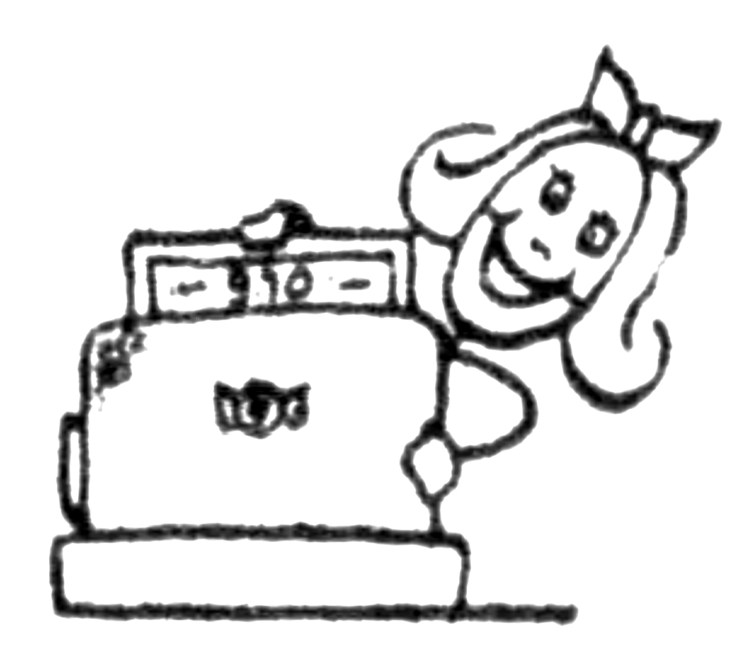
colloquial—USA, 1949—a female employee who works at a supermarket checkout counter—is also occasionally applied to males
Read Morethe celebrities of the fashionable literary and show-business world—USA, 1944—blend of ‘glitter’ ((to make) a brilliant appearance or display) and of ‘literati’ (intellectuals)
Read Moreto attack or punish someone with great vigour; to reprimand someone severely—USA, 1862; New Zealand, 1863
Read Moreto have something in reserve but ready for use; to have a chance or opportunity remaining—nautical, USA, 1789—‘shot’: a projectile designed for discharge from a firearm—‘locker’: the compartment for keeping ammunition on a ship
Read Morevery stupid—popularised by Jethro Tull’s ‘Thick as a Brick’ (1972), but already existed—in early use (19th century) applied to nouns such as ‘skull’ and ‘head’, used metonymically for ‘intelligence’
Read MoreUSA, 1815—not completely well; slightly ill or depressed—the image is of a ship caught in a storm (the noun ‘weather’ has long been used to denote a storm)
Read More
