notes on the phrase ‘to walk Spanish’
early 19th century—chiefly U.S.—to be forced by another to walk on tiptoe—to walk cautiously—to be discharged or dismissed—to discharge or dismiss (someone)—origin unknown
Read More
“ad fontes!”
early 19th century—chiefly U.S.—to be forced by another to walk on tiptoe—to walk cautiously—to be discharged or dismissed—to discharge or dismiss (someone)—origin unknown
Read MoreUSA, 1946—a feeling of regret experienced after making a purchase—also, in extended use: a feeling of regret experienced after voting for a particular person or programme
Read More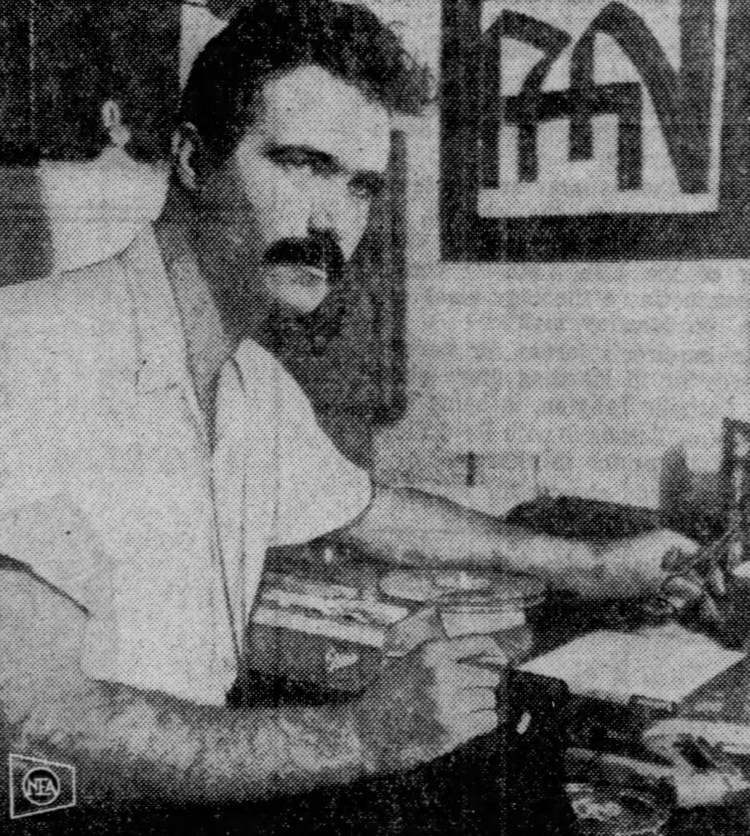
UK, 1958—a type of moustache in which the two ends extend downwards to the chin—refers to Emiliano Zapata, who was portrayed with a moustache of this kind by Marlon Brando in Viva Zapata! (1952)
Read More1975 as ‘French chef’s kiss’—a gesture used to indicate that something is excellent or perfect—also a perfect or excellent person or thing—alludes to such a gesture stereotypically made by a chef on tasting a delectable dish
Read Morea makeshift incendiary device for throwing by hand, consisting of a bottle filled with flammable liquid and with a piece of cloth as a fuse—Finland, 1940, in reference to Vyacheslav M. Molotov, who led the Soviet campaign against Finland
Read MoreUK, 1924, as ‘cameo part’, used of two small roles in Shakespeare’s Julius Cæsar
Read MoreNew Zealand, 1917—a mess, a muddle; something unattractive or unappetising—alludes to the jumbled nature of a pig’s meal
Read MoreCanada, 1857: an angelic being imagined as being the source of a fall of snow—USA, 1893 (?): an impression in the snow resembling an angel, made by lying on one’s back and moving one’s arms and legs back and forth in an arc along the ground
Read More1937—a shortened form of expressions such as ‘bed-and-breakfast place’ (first recorded in 1881)
Read More1927 (translation of German ‘Hackordnung’): a dominance hierarchy, seen especially in domestic poultry, that is maintained by one bird pecking another of lower status—hence (1929): any hierarchy based on rank or status
Read More word histories