the tautological phrase ‘in this day and age’
‘in this day and age’ (‘at the present time’)—USA, 1832—tautology, that is to say, ‘day’ and ‘age’ are synonymous, ‘day’ meaning ‘a period of time’
Read More
“ad fontes!”
‘in this day and age’ (‘at the present time’)—USA, 1832—tautology, that is to say, ‘day’ and ‘age’ are synonymous, ‘day’ meaning ‘a period of time’
Read MoreUSA, 1951—used as a humorous way of recommending someone not to pursue something at which they are unlikely to be successful
Read More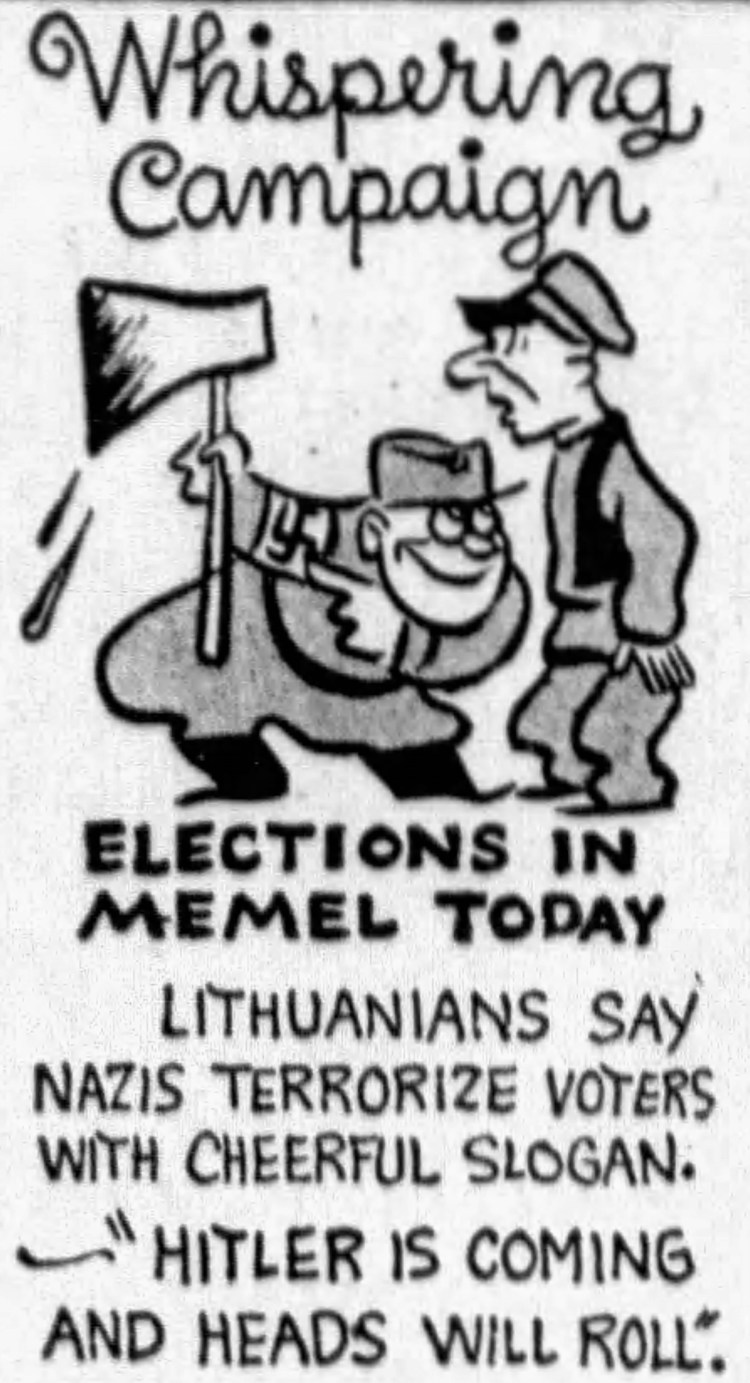
based on the notion of execution by beheading—popularised by a literal threat of executions made on 25th September 1930 by Adolf Hitler
Read More
the problems with the “novel origin story for ‘Indian Summer’” put forward by Matthew R. Halley in Notes and Queries (September 2017)
Read MoreUnnamed cocktails consisting of vodka and tomato juice became fashionable in the 1930s before the name ‘Bloody Mary’ was coined in November 1939.
Read MoreUSA—‘hatchet man’ (1874): a hired Chinese assassin using a hatchet or cleaver—‘hatchet work’ (1895): a murder carried out by a hatchet man
Read More18th-century instances of ‘Indian summer’ in addition to the earliest one—including a 1791 figurative use of the term
Read Morefirst recorded in The Biglow Papers (1848), by American author James Russell Lowell—based on the notion of leaving one’s hat behind in a rush of impetuosity
Read MoreUSA, 1906—popularised by a telegram sent to boxer Joe Gans by his mother, requesting him before a fight to win and ‘bring home the bacon’
Read More
