‘curiosity killed the cat’: meaning and origin
1868, but late 16th century as ‘care [= disquiet] killed a cat’—the image is perhaps that disquiet would exhaust the nine lives allotted to a cat
Read More
“ad fontes!”
1868, but late 16th century as ‘care [= disquiet] killed a cat’—the image is perhaps that disquiet would exhaust the nine lives allotted to a cat
Read MoreUSA, 1928—originally referred to scenario improvising during the silent-film era—the image is of notes written on a shirt-cuff
Read MoreUSA, 1967—metal-framed spectacles with small, round lenses—worn and popularised by the English singer, musician and songwriter John Lennon (1940-80)
Read Morefirst used on 22 September 1956 in order to stop hysterical fans from pursuing Elvis Presley at the end of a concert at Toledo
Read MoreUSA, 1967—‘to act one’s age, and not one’s shoe size’—humorous extension of ‘to act one’s age’—in turn jocularly modified as ‘to act one’s shoe size, and not one’s age’
Read MoreUSA, 1960s—those who already have will receive more—refers to gospel of Matthew—coined by sociologist Robert King Merton
Read More
USA, 1896—very easy to accomplish, sometimes with an implication of unscrupulousness
Read More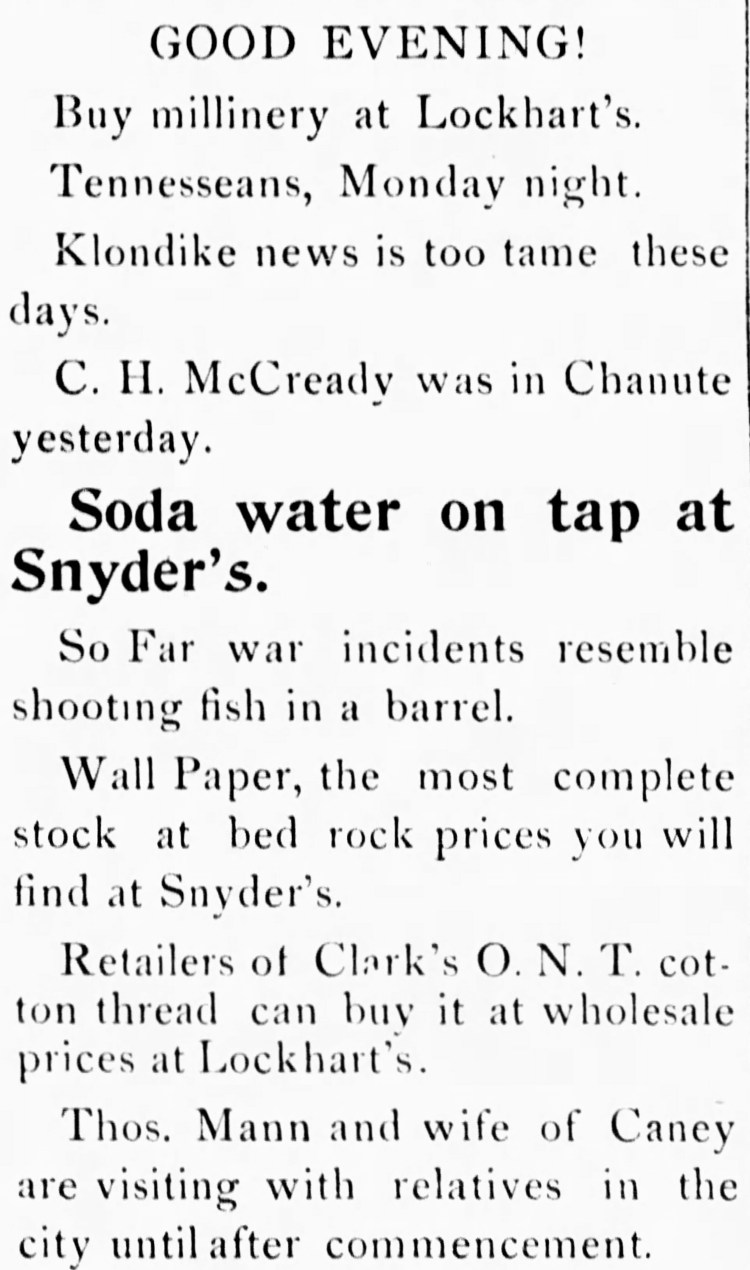
very easy to accomplish—USA, 1902, although recorded in 1898 with perhaps a different meaning
Read More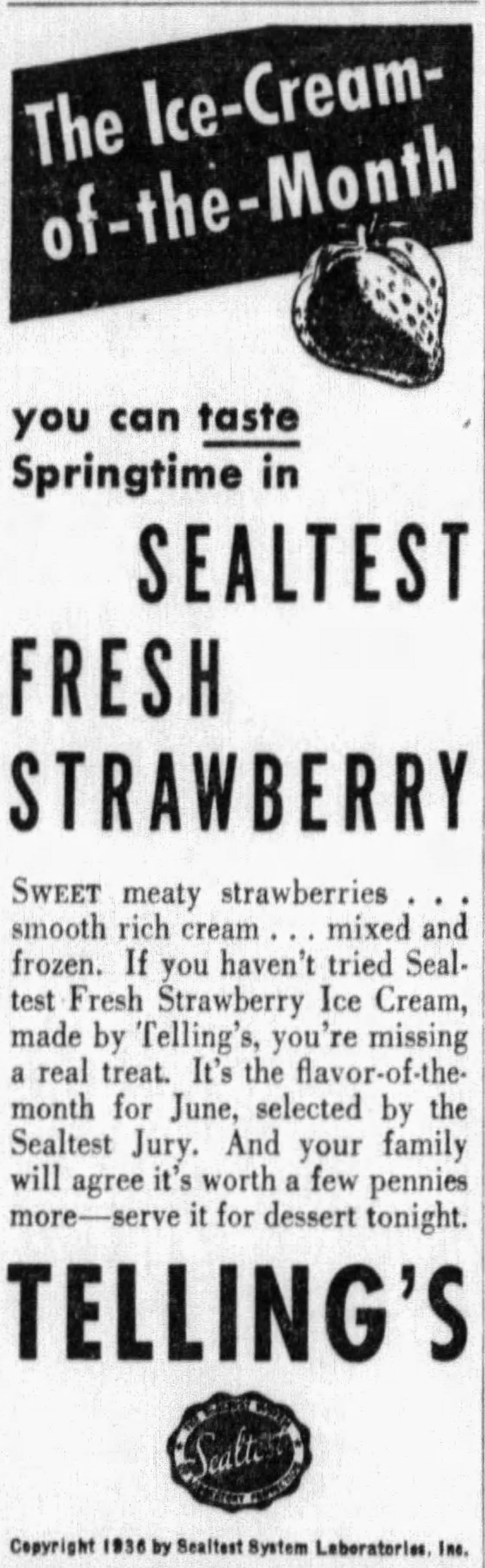
UK, 1967—person or thing that enjoys a short period of great popularity—the particular ice-cream flavour promoted during a month/week
Read MoreBritish origin—popularised by Harold Wilson in 1956, but first recorded in The Observer (London) of 30 October 1955
Read More
