notes on ‘to ghostwrite’ and on ‘ghostwriter’
UK, 1907: ‘to ghostwrite’ (to write a book, an article, etc., for another person, under whose name it is then published—USA, 1908: ‘ghostwriter’ (a person who ghostwrites)
Read More
“ad fontes!”
UK, 1907: ‘to ghostwrite’ (to write a book, an article, etc., for another person, under whose name it is then published—USA, 1908: ‘ghostwriter’ (a person who ghostwrites)
Read Moredominated by a woman or by women—UK, 1809—past participle of ‘ride’, ‘ridden’ combines with nouns to form adjectives meaning: afflicted, affected or dominated by something or by someone specified
Read More‘woodpushing’: chess-playing, draughts-playing—‘woodpusher’: a chess-player, a draughts-player—refers to the wooden pieces that chess-players and draughts-players move across the board
Read More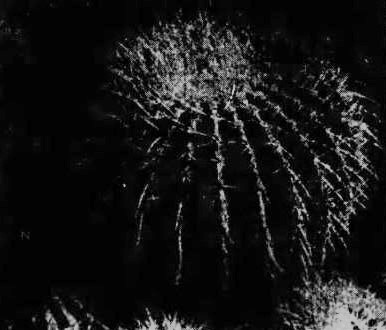
UK, 1951—‘mother-in-law’s chair’, ‘mother-in-law’s cushion’ and ‘mother-in-law’s seat’ are colloquial appellations for the globular spiny cactus Echinocactus grusonii, native to Mexico
Read MoreBritish, 1771—as an adjective: emaciated; weak and starving—as a noun: an emaciated or starving person
Read MoreEngland; also: the British Parliament—UK, 1857—popularised in 1865 by the British politician John Bright
Read More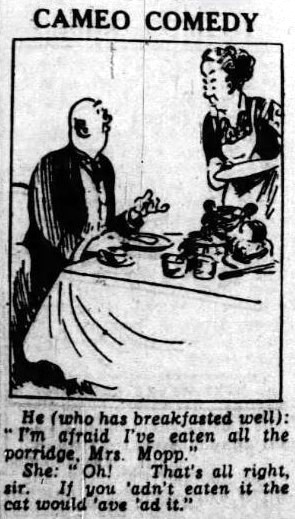
a charwoman, a cleaning lady—UK, 1940—popularised in 1942 by the charwoman’s name in the BBC radio comedy series ‘It’s That Man Again’
Read Moreconventionally middle-class—UK, 1953—from ‘Mrs Dale’, the name of a conventional middle-class woman in Mrs Dale’s Diary, a BBC radio serial broadcast from 1948 to 1969
Read Morea narrow escape from danger, disaster or mishap—UK, 1820—refers to the act of shaving with a cutthroat razor, which may result in injury
Read Morelooking or feeling ill or nauseated—1843, in a letter by Charles Dickens—when applied to a person, the plural noun ‘gills’ designates the flesh under the jaws and ears; also the cheeks
Read More word histories