UK and USA, 1816—to tell a long, far-fetched story—of nautical origin? (perhaps alludes to making ropes from lengths of yarn on board ship: the men would have told one another stories while performing this long and tedious task)
1758—humorous exclamation expressing surprise, excitement, etc.—‘star’: a badge in the shape of, or ornamented with, a star, worn as part of the insignia of an order of knighthood or of chivalry—‘garter’: the badge of the highest order of English knighthood, i.e., the Order of the Garter
UK, 1983—‘Ruby Murray’, the name of a Northern-Irish singer (1935-1996), is rhyming slang for the noun ‘curry’, denoting a dish of meat, vegetables, etc., cooked in an Indian-style sauce of hot-tasting spices and typically served with rice.
Ireland, 1889—emphasises the truthfulness and sincerity of what one is saying—derives from a children’s oath which involved licking a finger, drying it, and drawing it across the throat while saying “My finger’s wet. My finger’s dry. Cut my throat if I tell a lie.”
UK, 1773—physical cleanliness betokens spiritual purity, i.e., cleanliness proceeds from piety—apparently, this phrase is erroneously ascribed to the English preacher and co-founder of Methodism John Wesley
1945—a woman from Liverpool, a city and seaport in north-western England—from the noun ‘Scouser’, denoting a person from Liverpool, and the suffix ‘-ette’, used to form nouns denoting female gender
Northern England—a filled or open sandwich—originally (1827): a slice of bread spread with butter—composed of ‘butt-’, from the noun ‘butter’, and the suffix ‘-y’, forming diminutive nouns
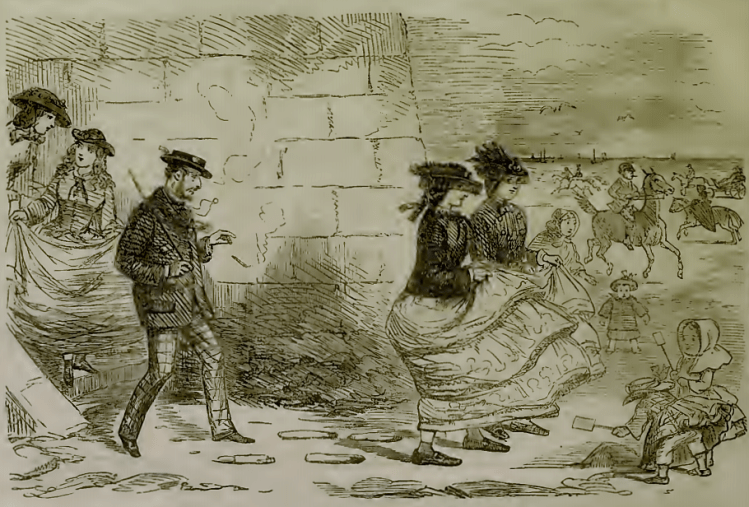
denotes a foot or a boot, especially a big one—1856, in the caption to a cartoon by John Leech, published in Punch (London, England): “A vulgar and disgusting expression, implying that a foot is big enough, and flat enough, to kill Black-beetles”
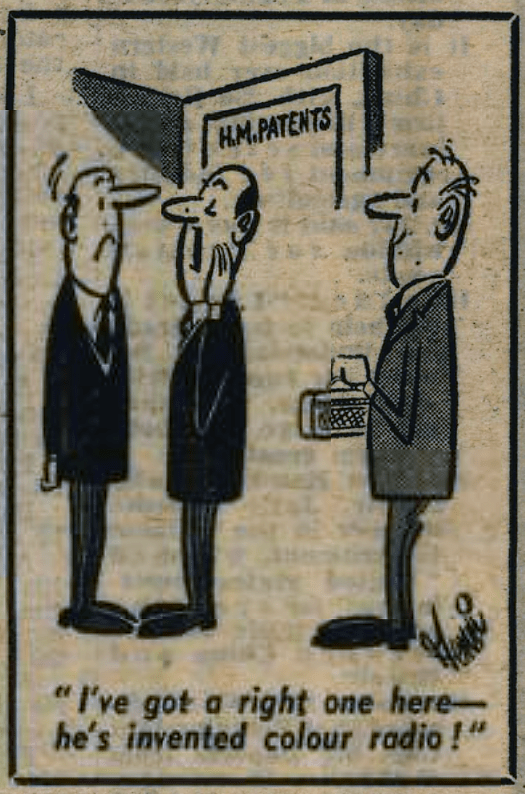
UK, 1958—The phrase ‘we’ve got a right one here’ is used of an odd person or of an idiot. Typically, the speaker uses this phrase when talking to someone about a third party.
USA, 1812—UK, 1818—the name of a character proverbially said to have been so great a liar that he was expelled from Hell—hence, frequently in ‘a bigger liar than Tom Pepper’, and variants: an outrageous liar


 word histories