UK, 1954—the economic policy of Rab Butler, Conservative Chancellor of the Exchequer (1951-5), regarded as largely indistinguishable from that of Hugh Gaitskell, Labour Chancellor of the Exchequer (1950-1)—blend of ‘Butler’ and ‘Gaitskell’ plus suffix ‘-ism’
British, colloquial: a period during which an employee who is about to leave a company continues to receive a salary and in return agrees not to work for anyone else—origin, British Army: a paid leave between the end of one posting and the beginning of another
also ‘to drop one’s h’s’—not to pronounce the letter h at the beginning of words in which it is pronounced in standard English—1855—1847 as ‘not to sound one’s h’s’
a gesture (made by a French person to deny responsibility, knowledge or agreement) consisting typically in shrugging one’s shoulders while upturning one’s hands
to discuss an essentially private matter, especially a dispute or scandal, in public—UK, 1819—loan translation from French ‘laver son linge sale en public’, originated by Napoléon Bonaparte in 1814
an impressive facade or show designed to hide an embarrassing or shabby fact or condition—1843—from the sham villages said to have been built by Grigori Potemkin to deceive Catherine II
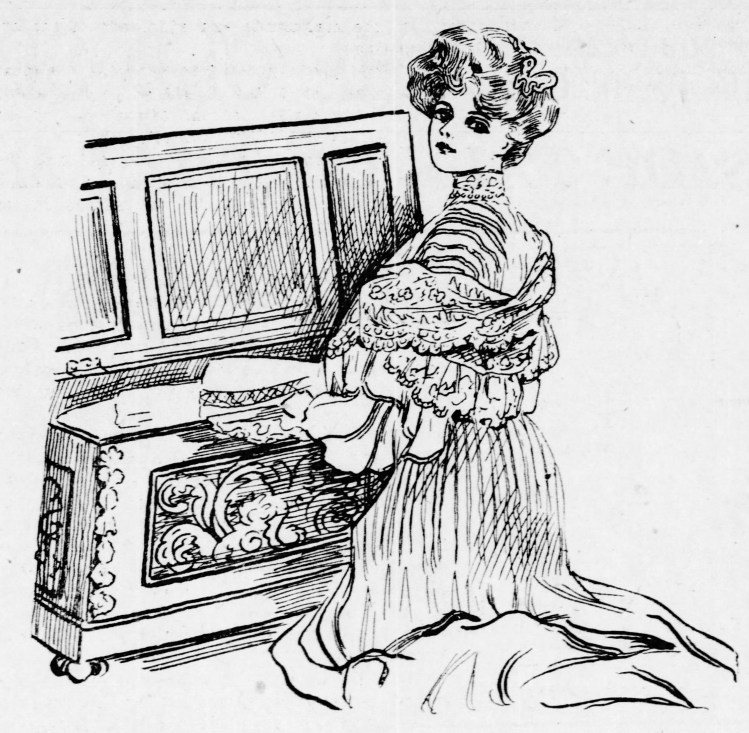
a young woman’s collection of clothes and household articles, kept in preparation for her marriage—UK, 1835?—refers to the (notional?) receptacle where those clothes and household articles are supposed to be kept
to undertake a dangerous or hazardous operation or activity—UK, 1867, as ‘to tickle the dragon’s nose’—‘to tickle the dragon’s tail’ was used of a nuclear experiment at Los Alamos during WWII
the strategy consisting in deliberately making a shocking announcement in order to divert attention from a difficulty in which one is embroiled—from the image of throwing a dead cat on the table—first defined in 2013 by Boris Johnson

 word histories