‘not tonight, Josephine’: meanings and early occurrences

USA, 1904—a jocular phrase apparently originally applied to any postponement—of unknown origin
Read More
“ad fontes!”
USA, 1904—a jocular phrase apparently originally applied to any postponement—of unknown origin
Read MoreUSA, 1927: a woman with a silvery-blonde hair colour—USA, 1930: specifically applied to Jean Harlow—also (USA, 1927) ‘platinum’: a silvery-blonde hair colour
Read MoreUSA & UK, 1995—to take a pregnancy test of a type involving urinating on a disposable plastic stick which immediately indicates the result—also, more generally: to take any of various other diagnostic tests of this type
Read More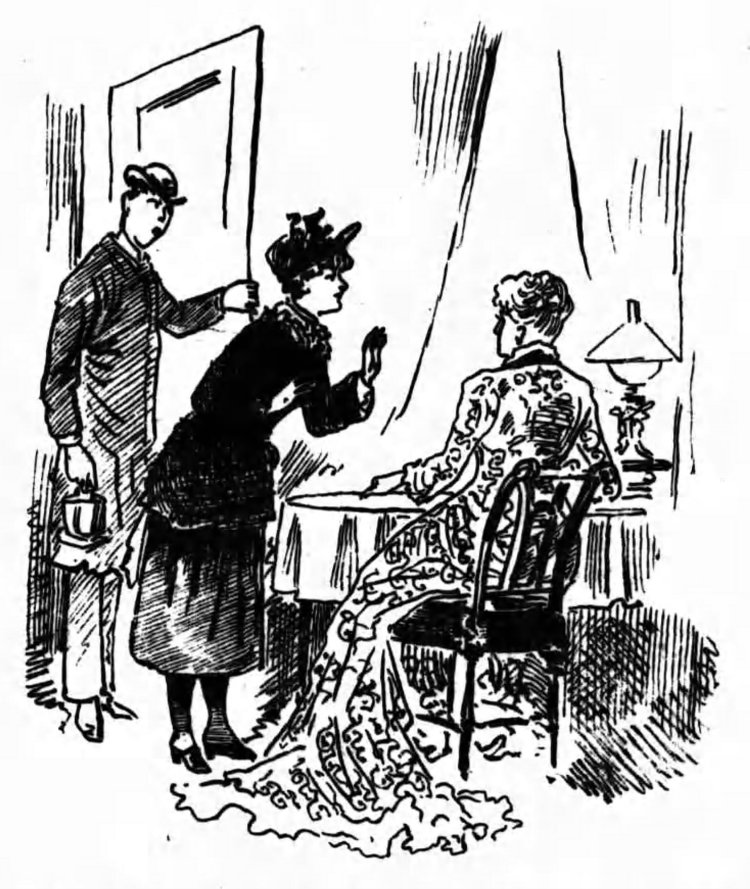
UK, 1869—a mechanised full-size model of a bull, simulating the movement and behaviour of a bull (particularly in a corrida), used in public entertainments
Read More1974: a person who tries to fit into a particular cultural scene—1970: an actor who performs a minor role in a stage play—from ‘scene’ and the suffix ‘‑ster’, forming agent nouns
Read MoreUSA, 1914—origin unknown—a long rambling joke ending in a deliberate anticlimax, such as an absurd or irrelevant punchline
Read Morethe killing of a woman or girl by a man—French ‘femmicide’: 1839; 1854 in the sense of a man who has killed a woman—English ‘femicide’: 1801; 1827 in the sense of a man who has killed a woman
Read Morea hazard for the unwary—UK, 1887—originally used in reference to the game of draughts—then (Australia, 1894) in reference to cricket
Read MoreFrench, 1648: ‘famicide’; 1684: ‘femmicide’; 1695: ‘femmicide’—English, 1718: ‘femmicide’ (from French)—the killing of a woman or girl by a man
Read Moreeasily, readily—UK, 1825
Read More
