‘the man on the Clapham omnibus’ – ‘the Clapham Sect’
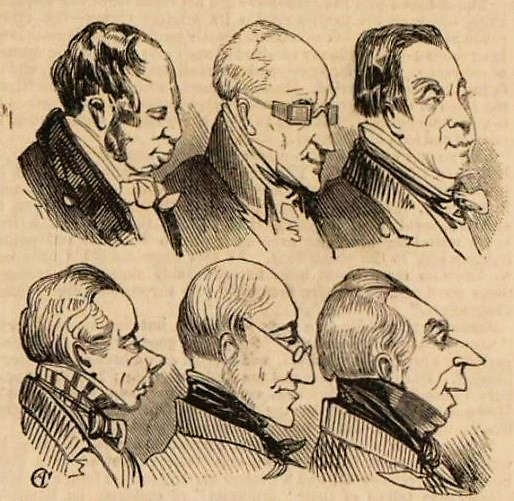
UK—1903: ‘the man on the Clapham omnibus’, the average or typical person—1844: ‘the Clapham Sect’, a group of social reformers based at Clapham, London
Read More
“ad fontes!”
UK—1903: ‘the man on the Clapham omnibus’, the average or typical person—1844: ‘the Clapham Sect’, a group of social reformers based at Clapham, London
Read MoreUSA, 1959—‘like watching paint dry’ or ‘as —— as watching paint dry’:used to denote an extremely dull activity or experience
Read More
UK, 1915—humorous blend of the common noun ‘mummer’ and of the name ‘Somerset’—denotes a pseudo-rustic dialect used by actors and an imaginary rustic county.
Read More
probably British English, 1880s—to make an effort to improve or reform, ‘to pull oneself together’—based on the image of sprucing oneself up
Read More
1790—from the name of a Quaker who must prove his identity against an impostor’s claims in ‘A Bold Stroke for a Wife’ (1718), a comedy by Susanna Centlivre
Read More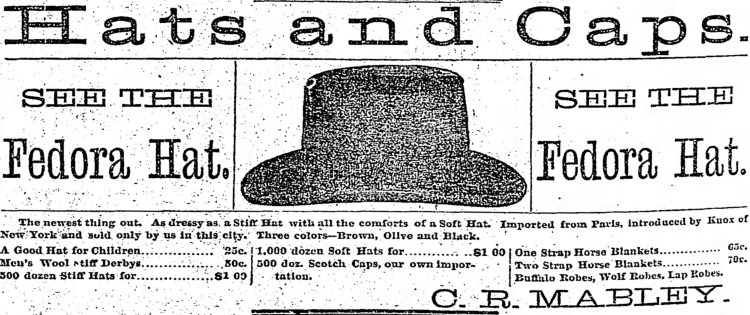
US, 1883—from the craze generated by ‘Fédora’, an 1882 drama by Victorien Sardou and the name of its heroine, played in early productions by Sarah Bernhardt
Read More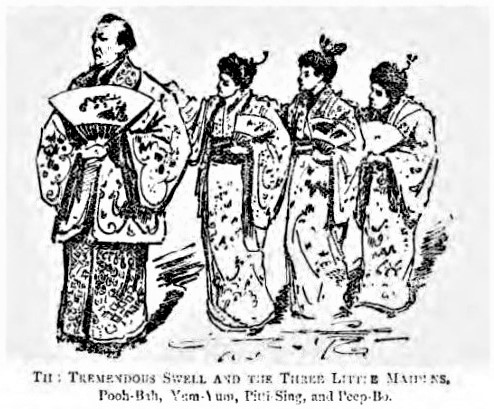
from the name of a character who holds many high offices in ‘The Mikado’ (1885), an operetta by Gilbert and Sullivan
Read More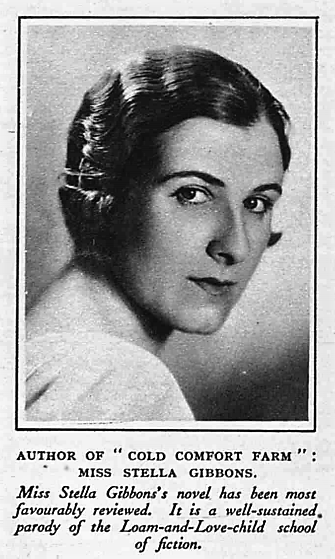
UK, 1930s—from Cold Comfort Farm (1932), by Stella Gibbons, in which a character exploits a traumatic childhood experience to exert control over her family
Read More
UK, late 19th cent.—probably a rendering of an Irish patronym, based on stereotypes generated by Irish immigration to Britain and popularised by theatre
Read More1837—used by Sainte-Beuve to describe French poet Vigny’s seclusion in a turret room and preoccupation with inspiration unconnected with practical matters
Read More word histories