title of a CBS television documentary first broadcast in 1966—came to be used derogatorily of any fast package-tour—gave rise to the pattern ‘(if) it’s Tuesday, this (or it) must be ——’, used of travel anywhere
denotes effrontery—‘front’ denotes self-assurance, but the word that follows ‘than’ puns on ‘front’ in the sense of the façade of a building, a long seafront, etc.—also denotes a well-endowed woman, with reference to ‘front’ in the sense of a woman’s bust
Australia, 1884—designates the adjective ‘bloody’ used as an intensifier—although ‘bloody’ is used as an intensifier in other countries, its widespread use in Australia is seen as characteristic of this country
Australia, 1946—to return to one’s profession after retirement; of a singer or other performer: to make frequent comebacks—from the repeated farewell performances given by Australian opera singer Dame Nellie Melba
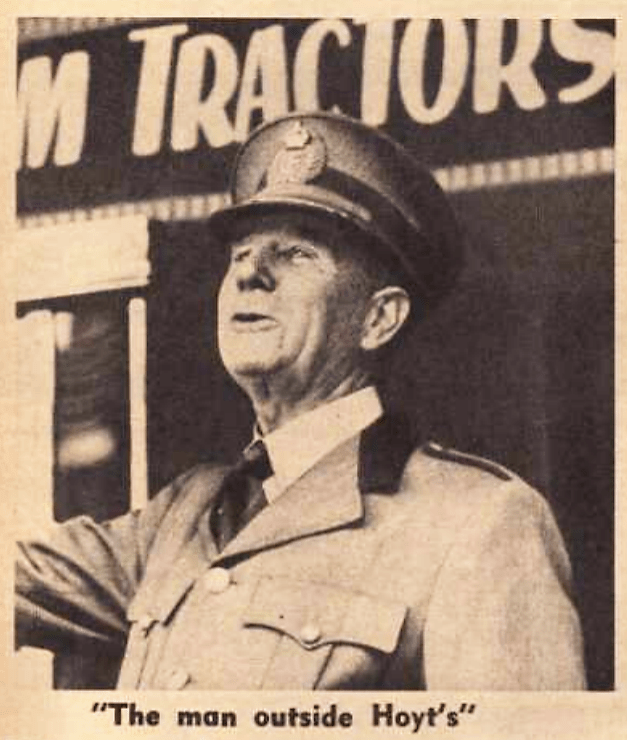
Australia, 1935—a person with extensive knowledge—originally the announcer outside Hoyt’s Theatre in Melbourne, Victoria, who wore a most elaborate uniform
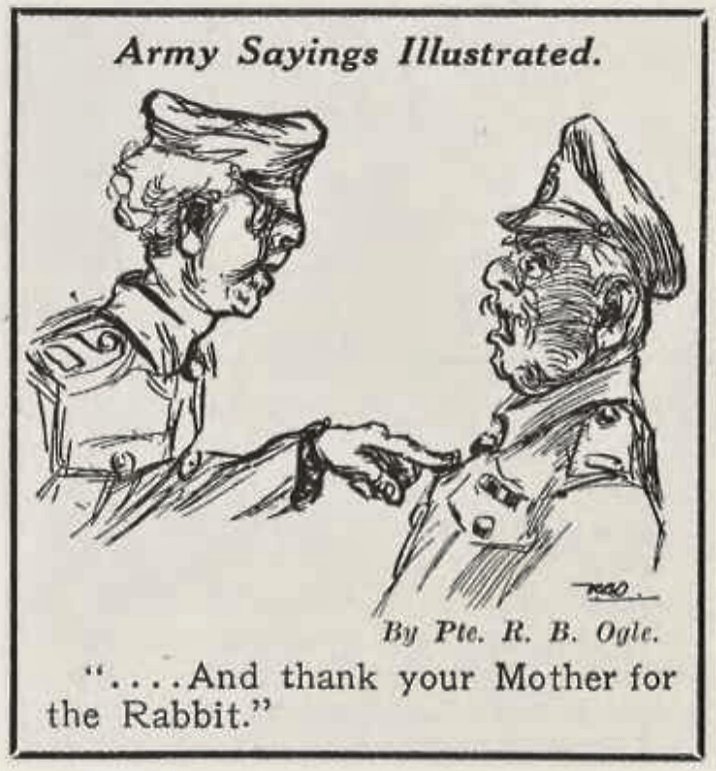
conveys derisive self-congratulation for an action that the speaker has done from a sense of duty rather than for pleasure—from a line uttered by Charles Laughton in the 1933 film The Private Life of Henry VIII
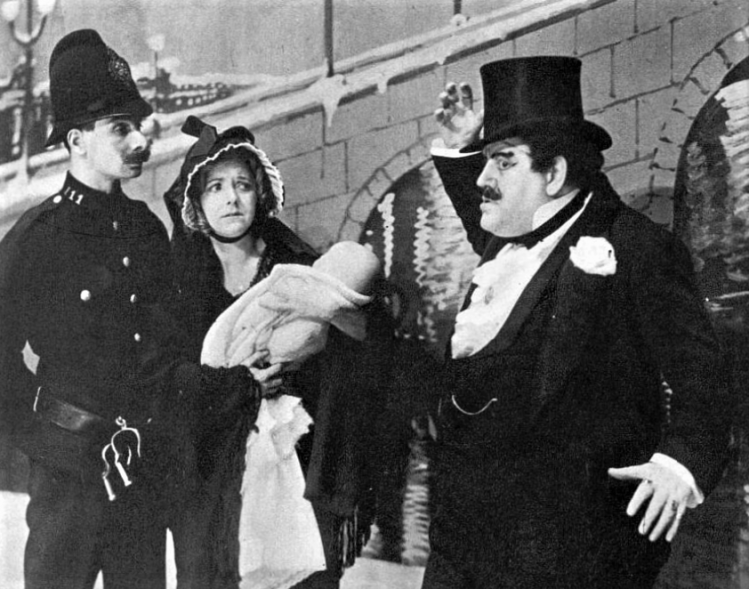
used to characterise melodrama—from the words said over her dead child by Lady Isabel in East Lynne (1874), T. A. Palmer’s stage play adapted from the 1861 novel by the English author Mrs. Henry Wood (Ellen Price)
USA, 1883—exclamation of surprise at seeing something or somebody unexpected—alludes to a hunter who will lament seeing all sorts of game when he goes out into the woods and fields without his gun