the phrases built on the pattern ‘to out-X X’, in which ‘X’ is a person’s name, mean to be superior to X in his or her characteristics—the prefix ‘out-’ has been used to form verbs conveying the sense of surpassing, exceeding or beating in the action described by the simple verb
UK, 1819—has been used in various jocular phrases referring to alcohol consumption—punningly alludes to ‘lush’, which, as a noun, denotes alcoholic drink, and, as a verb, means to consume alcohol—‘the City of Lushington’: a convivial society, consisting chiefly of actors, which met at the Harp Tavern, London
USA, 1901—wonderfully stylish, elegant or fashionable—a blend of ‘swell’ and ‘elegant’—popularised by its use in the song Well, Did You Evah!, interpreted by Bing Crosby and Frank Sinatra in the 1956 film High Society
UK, 1892—very rarely—refers to the fact that Preston Guilds are held only once every twenty years—Preston is the administrative centre of Lancashire, a county of north-western England, on the Irish Sea
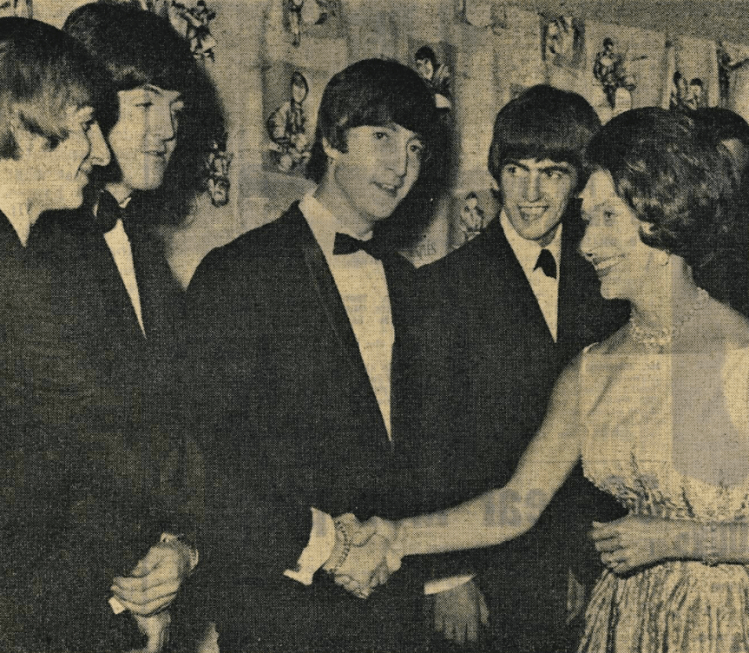
UK—a general term of disapproval, meaning ‘unpleasant’, ‘dirty’, ‘nasty’, ‘ugly’, etc.—shortened form of ‘grotesque’—first recorded in (and popularised by) A Hard Day’s Night (1964), a musical comedy film starring the Beatles
UK, 1877—humorous: a holiday or period of leisure spent drinking alcoholic liquor—blend of the nouns ‘alcohol’ and ‘holiday’—has, in the course of time, been coined on separate occasions by various persons, independently from one another
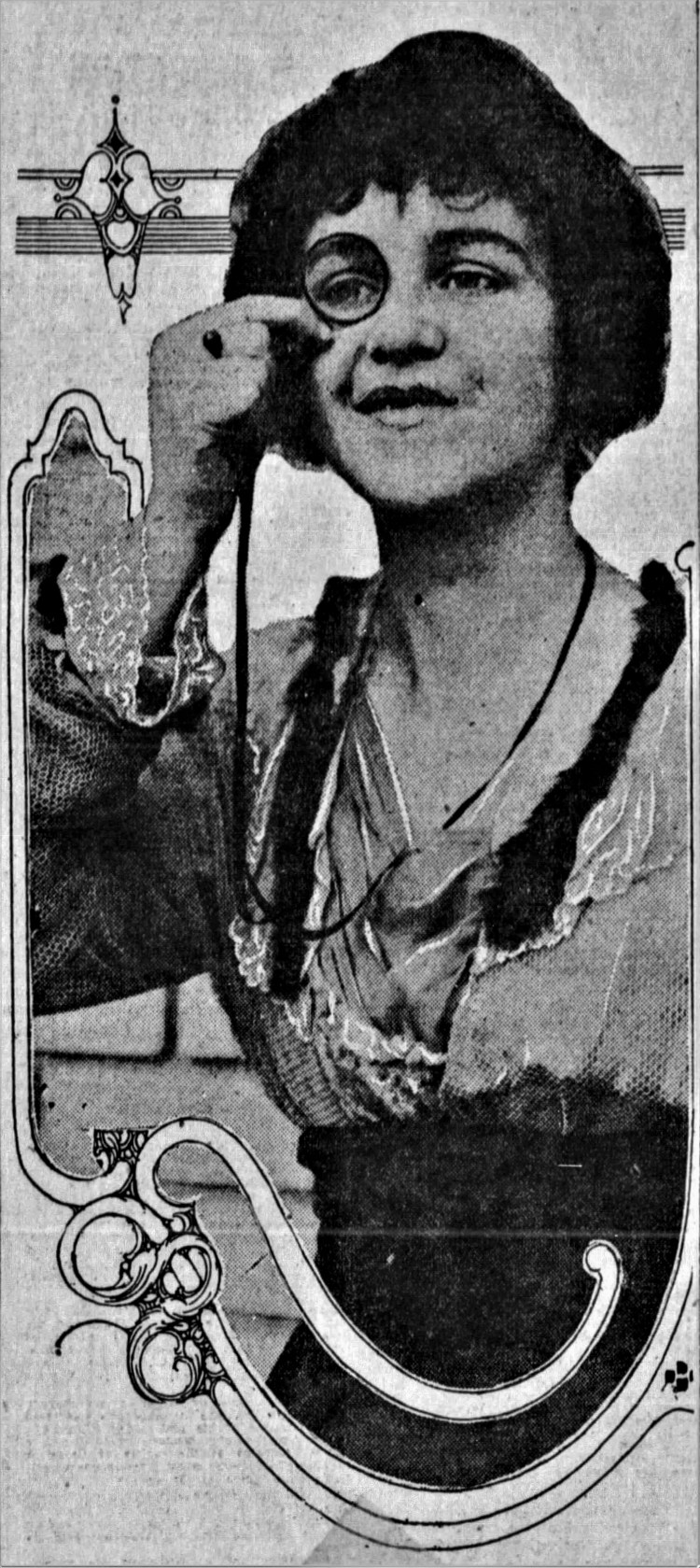
UK, 1897—‘Piccadilly window’: a monocle—hence ‘Piccadilly-windowed’: monocled—alludes to ‘Piccadilly’, the name of a street and of a circus (i.e., a rounded open space) in London
USA—‘in mothballs’ (1892): in a state or period of inactivity, disuse, reserve, storage or postponement—‘out of mothballs’ (1905): back into activity, into use


 word histories