‘singing milkshake’: meaning and origin
1979—nickname given, in particular, to singer Olivia Newton-John—alludes to the type of popular music that (like a milkshake) is discarded as soon as it has been consumed
Read More
“ad fontes!”
1979—nickname given, in particular, to singer Olivia Newton-John—alludes to the type of popular music that (like a milkshake) is discarded as soon as it has been consumed
Read MoreUSA, 1976—Australia, 1982—trendy middle- to upper-middle-class people, who are often conservationists, and who, in some cases, have moved from cities and urban areas into country areas
Read More
USA, 1956—where the important facts or realities lie; where theory is put into practice—originated in the jargon of the advertising business, in which ‘let’s get down (to) where the rubber meets the road’ meant ‘how much is it going to cost?’
Read Moredenotes effrontery—‘front’ denotes self-assurance, but the word that follows ‘than’ puns on ‘front’ in the sense of the façade of a building, a long seafront, etc.—also denotes a well-endowed woman, with reference to ‘front’ in the sense of a woman’s bust
Read MoreAustralia, 1941—used of any adverse situation—based on the rhyme between ‘crook’ (meaning ‘bad’, ‘unpleasant’, ‘unsatisfactory’) and ‘Tallarook’, the name of a town in Victoria—sometimes followed by ‘there’s no work in Bourke’
Read Moretelevision programmes that are gratuitously shocking or sensational, or of poor quality—from their eliciting in the viewer a similar horrified fascination to that experienced by people watching scenes of cars crashing
Read MoreUK, 1968—British and Australian: expresses indifference towards, or rejection of, a suggestion—from ‘Umpa, Umpa, Stick It Up Your Jumper’, a song recorded in 1935 by The Two Leslies (Leslie Sarony and Leslie Holmes)
Read More
Seems to have originated in a joke, first recorded in 1955, in which the Tower of London says to the Leaning Tower of Pisa: “I’ve got the time and you’ve got the inclination.”
Read More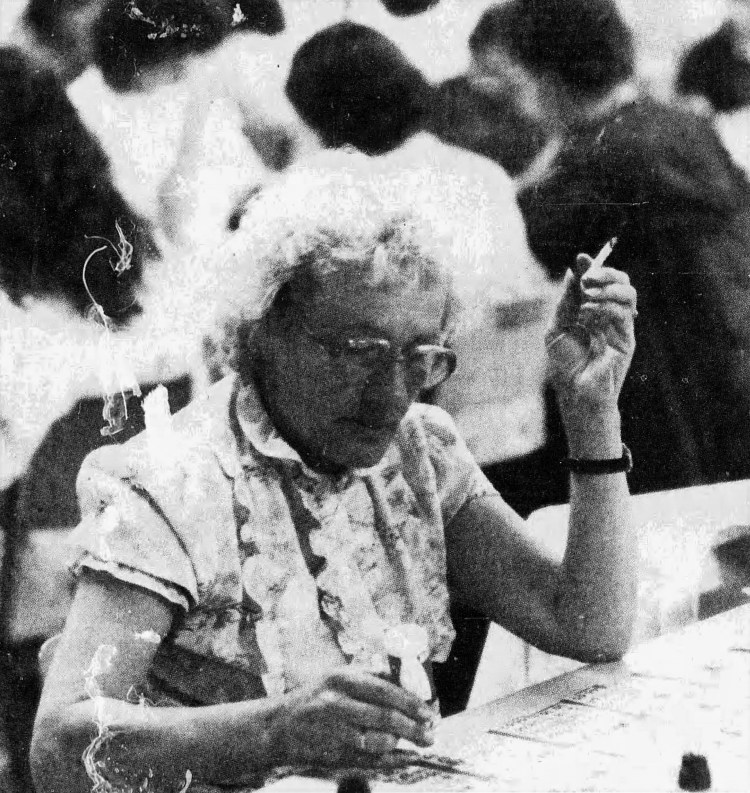
USA, 1992—the folds of loose skin or fat which hang from the undersides of a person’s upper arms—so named because they are common in older women, who are regarded as the type of person most likely to play bingo
Read More
the demand that an extraterrestrial makes to the first human being or animal it encounters after alighting from its flying saucer—USA, 1956—from a cliché in science-fiction stories
Read More word histories