USA, 2009—a party given for a man who is about to become a father, attended by men only—‘dadchelor’: a blend of ‘dad’ (i.e., ‘father’) and of ‘bachelor’ in ‘bachelor party’ (a party given for a man who is about to get married, attended by men only)
Australia, 1998—a pair of short, tight-fitting men’s swimming trunks—refers to the appearance of the male genitals in figure-hugging trunks—‘budgie’: colloquial abbreviation of ‘budgerigar’, denoting a small Australian parrot
UK, 1985—to be ‘stale’, to be no longer innovative, relevant, or effective—refers to the practice introduced in Britain in the early 1970s of stamping perishable goods with the latest date by which they may be sold
UK, 1983—‘Ruby Murray’, the name of a Northern-Irish singer (1935-1996), is rhyming slang for the noun ‘curry’, denoting a dish of meat, vegetables, etc., cooked in an Indian-style sauce of hot-tasting spices and typically served with rice.
1945—a woman from Liverpool, a city and seaport in north-western England—from the noun ‘Scouser’, denoting a person from Liverpool, and the suffix ‘-ette’, used to form nouns denoting female gender
Lancashire, England, 1973—a wasted journey; a weird way of behaving; a fit of ill temper—origin unknown—one hypothesis is that when wine boats from the Mediterranean arrived in Liverpool, the wine was occasionally sour and therefore useless
UK, 2005—used rhetorically to express indifference to, or a lack of concern about, something—originally (2004) a catchline used by Lauren, a teenage girl interpreted by the British comedian Catherine Tate in the British television comedy series The Catherine Tate Show
UK, 1980—denotes someone or something that is unwelcome, unpopular, etc.—first recorded in a remark by the Scottish comedian Billy Connolly, but perhaps originated in Royal-Navy slang
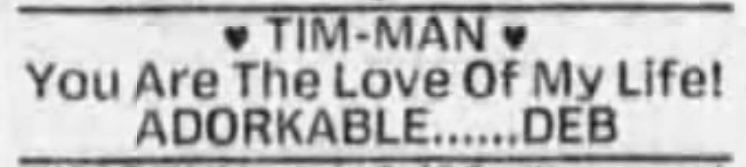
USA, 1999—unfashionable or socially awkward in a way regarded as appealing or endearing—blend of ‘adorable’ and ‘dork’—the noun ‘dork’ denotes an odd, socially awkward, unstylish person