‘to put one’s money where one’s mouth is’: meaning and origin
USA, 1913—to produce, bet or pay out money to support one’s statements or opinions; to do something that demonstrates one’s assertion
Read More
“ad fontes!”
USA, 1913—to produce, bet or pay out money to support one’s statements or opinions; to do something that demonstrates one’s assertion
Read MoreAustralian slang, 1988—a very small distance or amount—perhaps intended as a humorous variant of ‘bee’s knee’, used of something small, insignificant or weak
Read MoreUK, 1848: a tendency to ‘talk shop’—UK, 1854: something that is characteristic of a shop displaying various kinds of goods (i.e., something that is composed of disparate commonplace elements)
Read More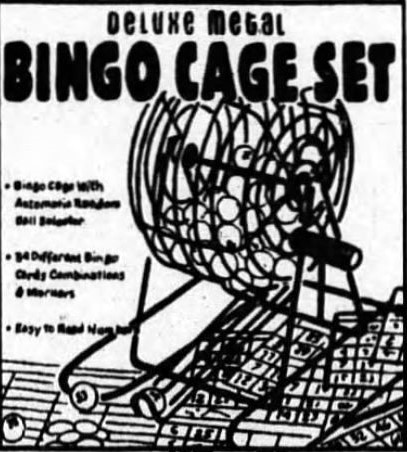
USA, 1937—a device with a revolving cage or drum, used in a game of bingo to mix up the numbered balls or slips, or for drawing numbers or prize tickets in a lottery, tombola, etc.
Read Morein the game of whist: the four of hearts, considered as an unlucky card—southeastern Scotland and northeastern England, early 19th century—origin unknown
Read Morea person who behaves as if he or she knows everything—UK, colloquial, 1860—the irony of the expression lies in the fact that clogs are mere functional pedestrian objects
Read More‘woodpushing’: chess-playing, draughts-playing—‘woodpusher’: a chess-player, a draughts-player—refers to the wooden pieces that chess-players and draughts-players move across the board
Read MoreUK, 1931—sports (originally golf): a style of play characterised by an emphasis on luck rather than skill—the image is of a golfer who trusts to luck when hitting the ball
Read Morethe returns from an activity or undertaking do not warrant the time, money or effort required—calque of French ‘le jeu ne vaut pas la chandelle’—1603, in John Florio’s translation of Montaigne’s Essays
Read More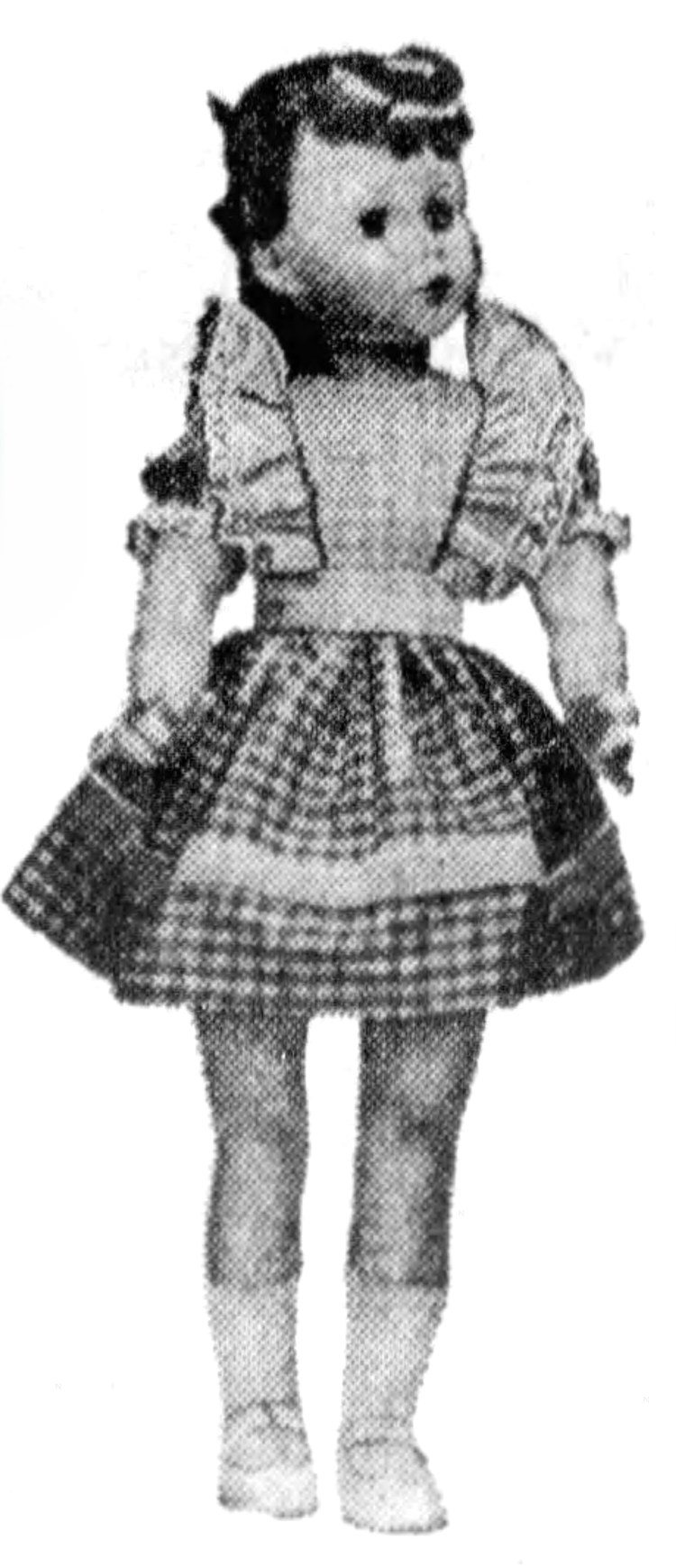
USA, 1949—a person (originally and chiefly a girl or a woman) who is especially talkative—popularised from 1960 onwards by a proprietary name for a child’s talking doll manufactured by Mattel
Read More
