‘cowyard confetti’ and variants: meaning and origin
Australia, 1932—also ‘Flemington confetti’ (1933) and ‘farmyard confetti’ (1967)—bullshit (i.e., nonsense, rubbish)—also occasionally used literally in the sense of faeces
Read More
“ad fontes!”
Australia, 1932—also ‘Flemington confetti’ (1933) and ‘farmyard confetti’ (1967)—bullshit (i.e., nonsense, rubbish)—also occasionally used literally in the sense of faeces
Read MoreUSA, 1931—indicates that something has been formulated or devised hurriedly, roughly or carelessly, as though sketched or scribbled on the back of an envelope
Read MoreUSA, 1972—indicates that something has been formulated or devised hurriedly, roughly or carelessly, as though sketched or scribbled on the back of a napkin—also with ‘cocktail napkin’
Read MoreAustralia, 1969—is used of an ineffectual person—‘choko’ (i.e., ‘chayote’): the cucumber-like fruit of a cucurbitaceous vine (‘Sechium edule’)
Read MoreAustralia, 1890, & New Zealand, 1891—is used, in sports, of slowness, in particular as a disparaging comment on a racehorse
Read Morehas been used with reference to feebleness and ineffectualness since the late 19th century
Read Moreis used of an ineffectual person—Australia, 1984—originally used in sports of team selectors
Read Morealso ‘game as an ant’, ‘game as a bulldog ant’, etc.—Australia, 1874—plucky, courageous, willing to put up a fight against considerable odds
Read More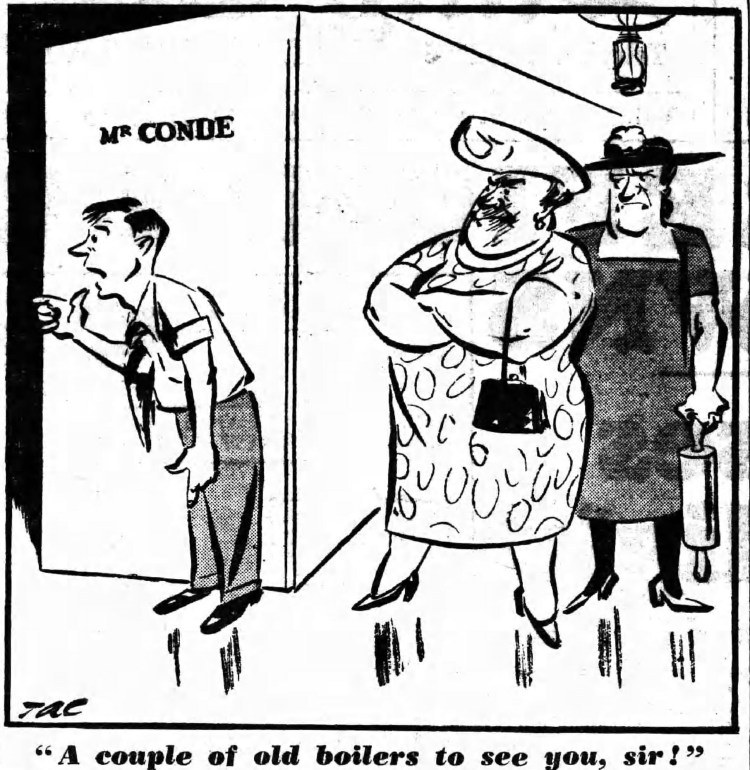
Australia, 1950—UK, 1962—derogatory and offensive: a middle-aged or elderly woman, especially one who is unattractive or unfeminine—refers to ‘boiler’, i.e., a tough old chicken for cooking by boiling
Read Morethe State of New South Wales—Australia, 1905—alludes to New South Wales as the ‘mother’ colony, i.e., the first colony that Britain founded in Australia—hence (1908) ‘Ma Stater’, a native or inhabitant of New South Wales
Read More word histories