meanings and origin of ‘Judas sheep’ and ‘Judas goat’
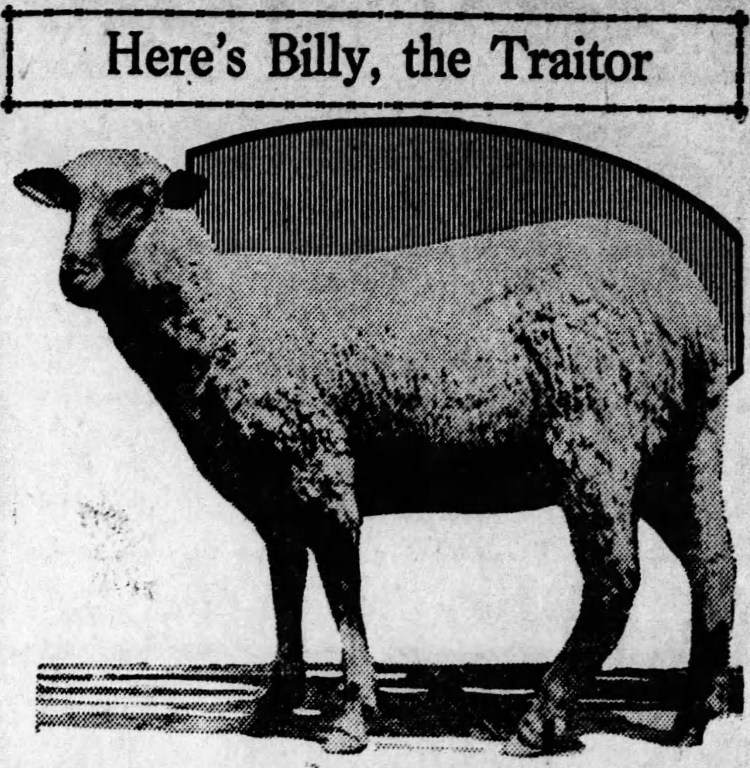
USA, early 20th century—a sheep or a goat used to lead sheep to slaughter—hence any person or thing used as a decoy to lure people into being caught, arrested, etc.
Read More
“ad fontes!”
USA, early 20th century—a sheep or a goat used to lead sheep to slaughter—hence any person or thing used as a decoy to lure people into being caught, arrested, etc.
Read More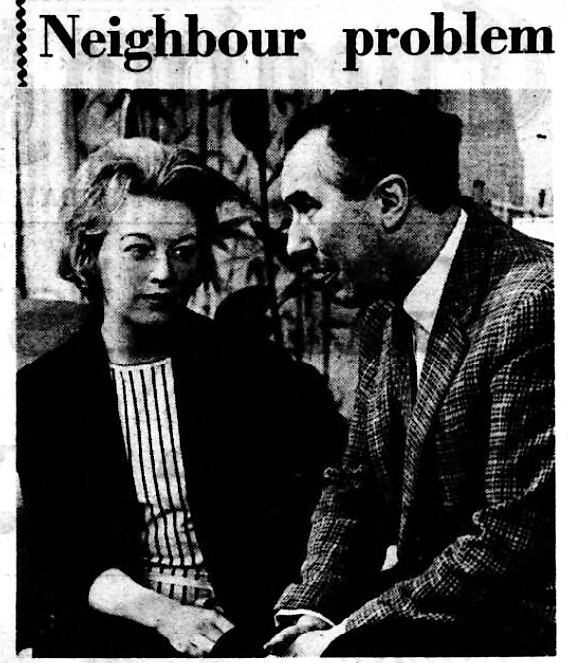
1734: a card game in which one player tries to win all the cards of the other—1802: refers to an advantage gained by one side at the expense of the other
Read More
USA—from 1848 onwards in contrast to ‘all men are equal’—now often alludes to ‘but some animals are more equal than others’ in Orwell’s Animal Farm (1945)
Read Morewith allusion to food served up on a slice of toast—1877 ‘to have someone on toast’: to have someone at one’s mercy—1886 ‘to be had on toast’: to be cheated
Read More1924—to unfairly alter the terms of a procedure during its course—also (humorous): the only way for an unsuccessful soccer team to score a goal
Read MoreUSA, 1895—a sense of pervasive and shared disappointment—alludes to the defeat of the baseball team of Mudville, a fictional town in E. L. Thayer’s 1888 poem ‘Casey at the Bat’
Read More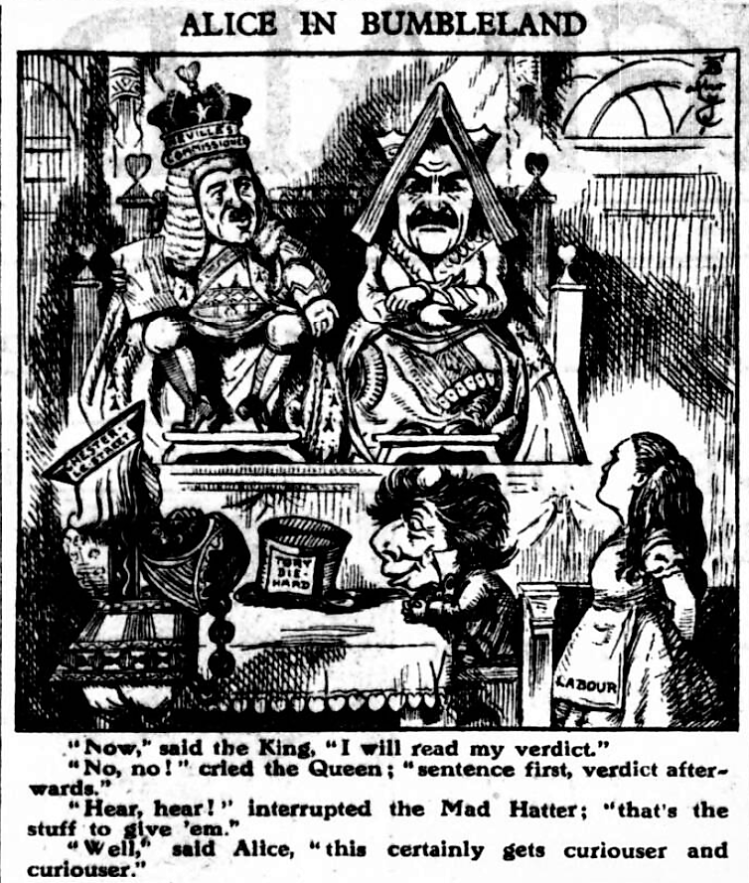
UK, 1869—used to denounce arbitrariness—alludes to a demand by the Queen of Hearts during the trial of the Knave of Hearts in Alice’s Adventures in Wonderland (1865)
Read More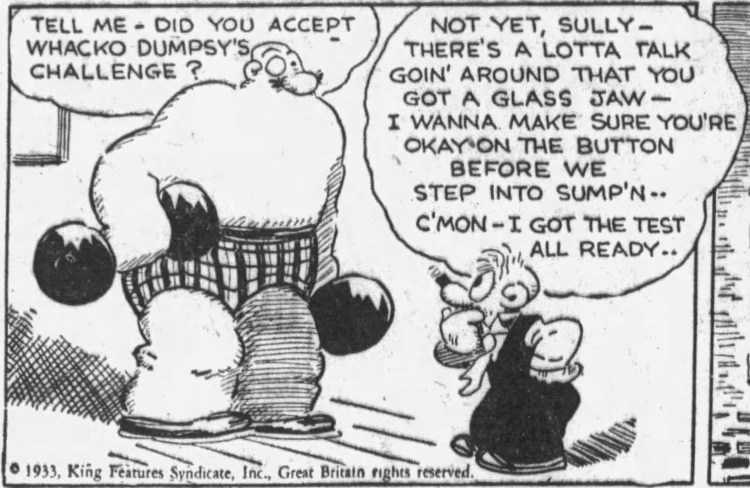
USA—1904 (boxing) a weak jaw that is easily broken—1914 (allegorical) preceded by the adjective ‘moral’—1931 (figurative) a vulnerable point—synonym: ‘china chin’
Read More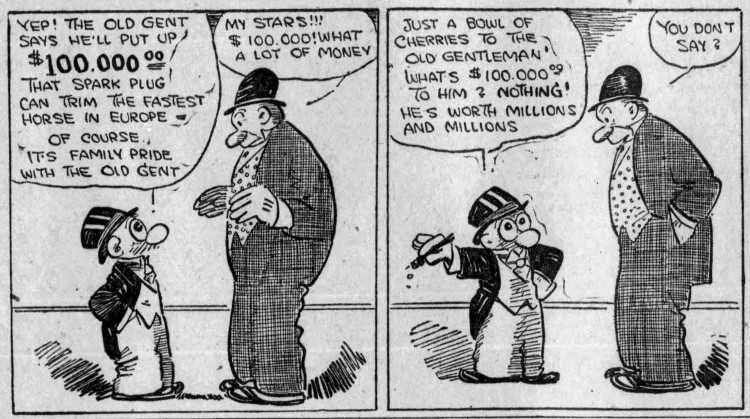
USA 1931—a highly enjoyable situation or experience—from ‘life is just a bowl of cherries’ 1928—popularised by song ‘Life Is Just a Bowl of Cherries’ 1931
Read More1969 as ‘No Go Land’, proper name of a Catholic ghetto in Belfast—1970 as ‘no-go area’, any Northern-Irish area to which entry was restricted or forbidden
Read More
