‘to make a horlicks of (something)’: meaning and origin
to make a mess of (something)—UK, 1970—used in reference to the trade-name of a malted milk-powder—perhaps as a euphemism for some crude word
Read More
“ad fontes!”
to make a mess of (something)—UK, 1970—used in reference to the trade-name of a malted milk-powder—perhaps as a euphemism for some crude word
Read Morehaving the lips tightly closed—hence, figuratively: uncommunicative, determinedly reticent—USA, 1942—refers to the noun ‘zip’, designating a fastening device
Read Morean easy target, i.e., a person who, or thing that, is defenceless against an attack or other danger—first used in 1936 & 1937 by the Canadian journalist Gordon Sinclair
Read More
UK, 1951—in soccer: an overhead kick, typically executed with the feet off the ground and often involving a shot at goal
Read Morea day on which one has performed badly, especially at work; a day which has been unusually difficult or unsatisfactory—USA, 1895
Read Moretypical of a men’s locker room, especially in being vulgar or coarse—USA, 1921—originated in golf
Read Moredangerously or uncomfortably close or near—USA, 1827
Read More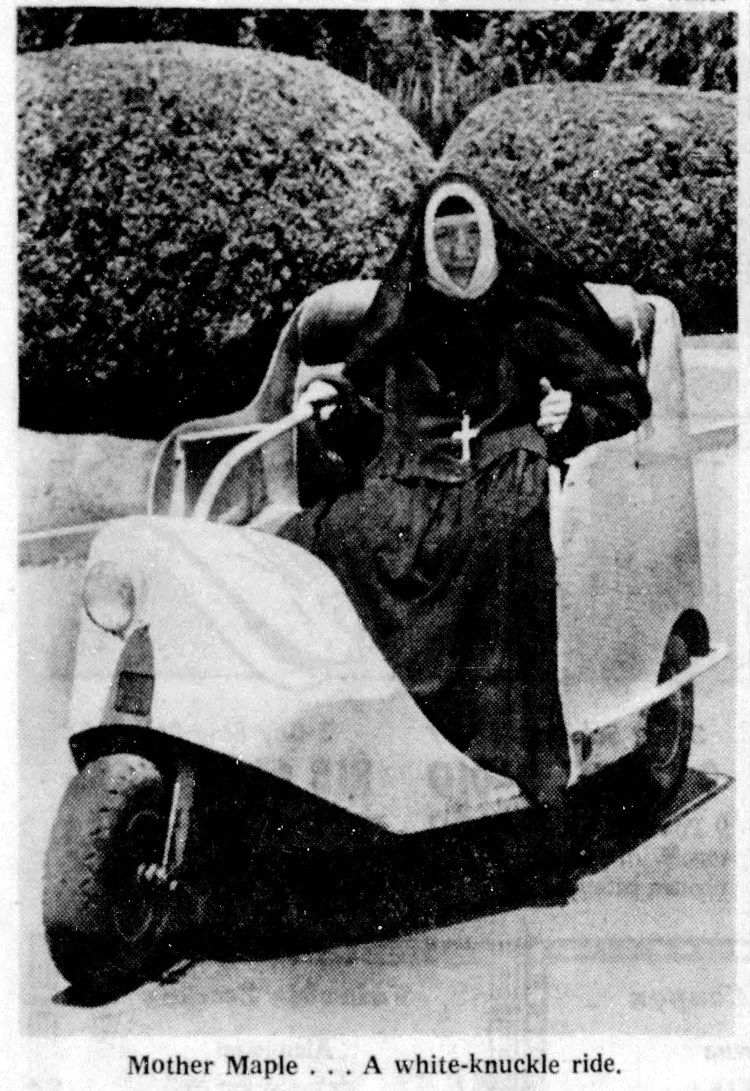
USA, 1961—of air travel: causing fear of such intensity that one’s knuckles whiten in an anxious grip
Read Morea large inflatable structure, often in the shape of a castle, on or inside which children can jump and play—UK, 1976, in reference to the International Ideal Home Exhibition held at the National Exhibition Centre, Birmingham
Read More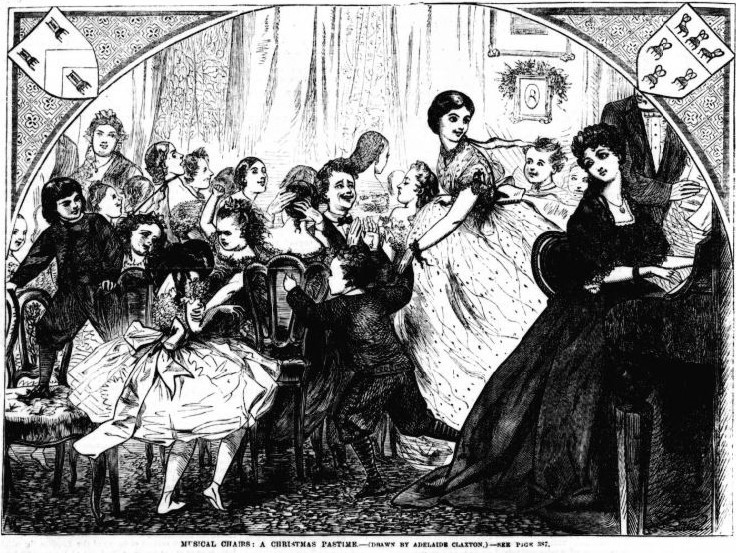
UK, 1865—a Christmas-season party game in which players walk around a decreasing number of chairs while music is played, the loser in each round being the one who fails to find a seat when the music stops
Read More
