‘beer goggles’: meaning and origin
U.S. College slang, 1985—the effects of alcohol thought of metaphorically as a pair of goggles that alter a person’s perceptions especially by making others appear more attractive than they actually are
Read More
“ad fontes!”
U.S. College slang, 1985—the effects of alcohol thought of metaphorically as a pair of goggles that alter a person’s perceptions especially by making others appear more attractive than they actually are
Read MoreFirst World War—a non-flying member of an air force—in reference to the flightless bird of New Zealand
Read MoreU.S. College slang, 1972—a drinking game in which players attempt to throw ping-pong balls into cups of beer, which must then be drunk by their opponents—from ‘beer’ and the second element of ‘ping-pong’
Read MoreNew Zealand, 1968—to hurry up—‘dags’: clumps of matted wool and dung which hang around a sheep’s rear end—the allusion is to the rattling sound of a sheep’s dags when it runs
Read MoreBritish slang, 1960s—‘to disappear up one’s own arse’: to become self-involved, pretentious or conceited—‘to be up one’s own arse’: to be self-involved, pretentious or conceited
Read More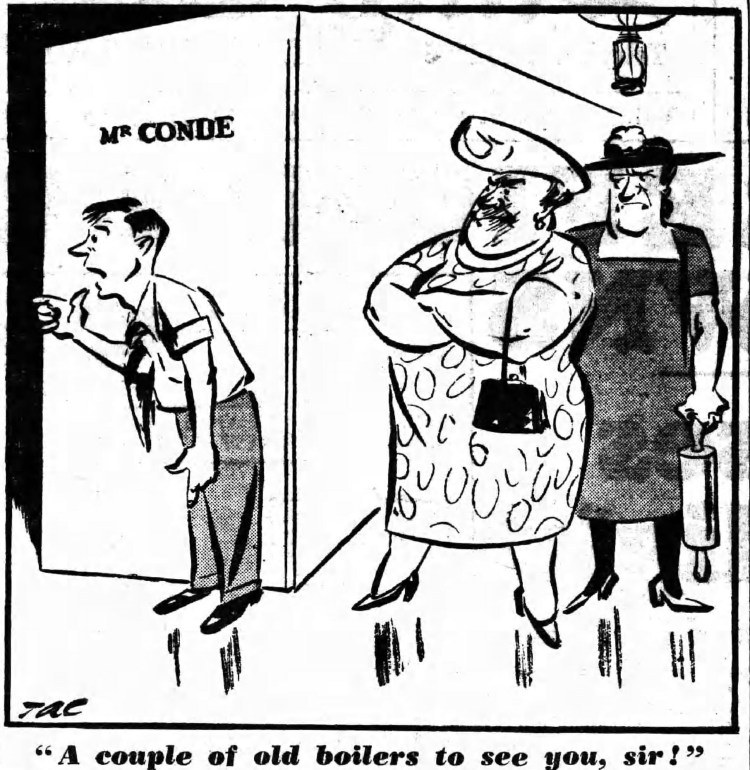
Australia, 1950—UK, 1962—derogatory and offensive: a middle-aged or elderly woman, especially one who is unattractive or unfeminine—refers to ‘boiler’, i.e., a tough old chicken for cooking by boiling
Read MoreAustralia, 1965—the Strine equivalent of ‘glorious home’—‘Strine’: the English language as spoken by Australians
Read MoreAustralian slang, 1960s—the unpalatable and unnutritious evening stew that used to be served to prison inmates—by extension: any unpalatable item of food
Read Moreto reach, or to be in, a state of extreme privation; to suffer hardship; to die, especially of thirst—New Zealand (miners, 1871) & Australia (1881)
Read More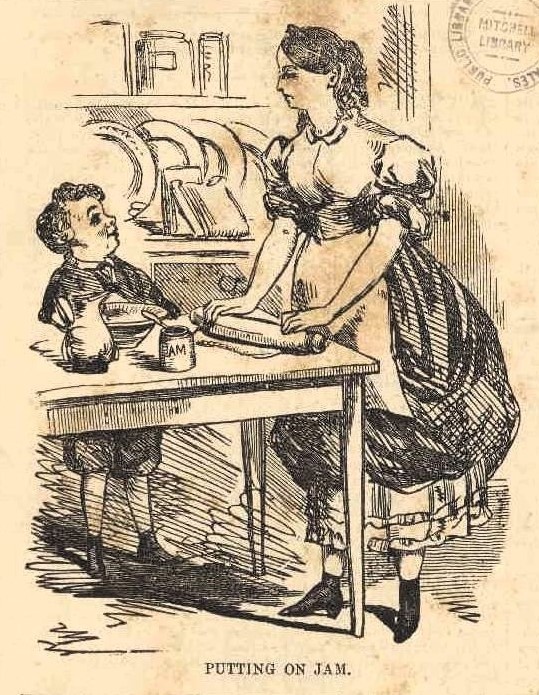
Australia, 1881—to adopt an affected speech or manner, to display self-importance—also, in early use: to embellish the truth, to depict flatteringly
Read More word histories