‘time flies? you cannot: they go too fast’: meaning and early occurrences
UK, 1904—punning extension (in which ‘time’ is a verb, and ‘flies’ a noun) of the cliché ‘time flies’
Read More
“ad fontes!”
UK, 1904—punning extension (in which ‘time’ is a verb, and ‘flies’ a noun) of the cliché ‘time flies’
Read More
the demand that an extraterrestrial makes to the first human being or animal it encounters after alighting from its flying saucer—USA, 1956—from a cliché in science-fiction stories
Read More
UK, 1851—is or jokingly denotes a threat made by a member of the public to write to the London newspaper The Times to express outrage about a particular issue
Read More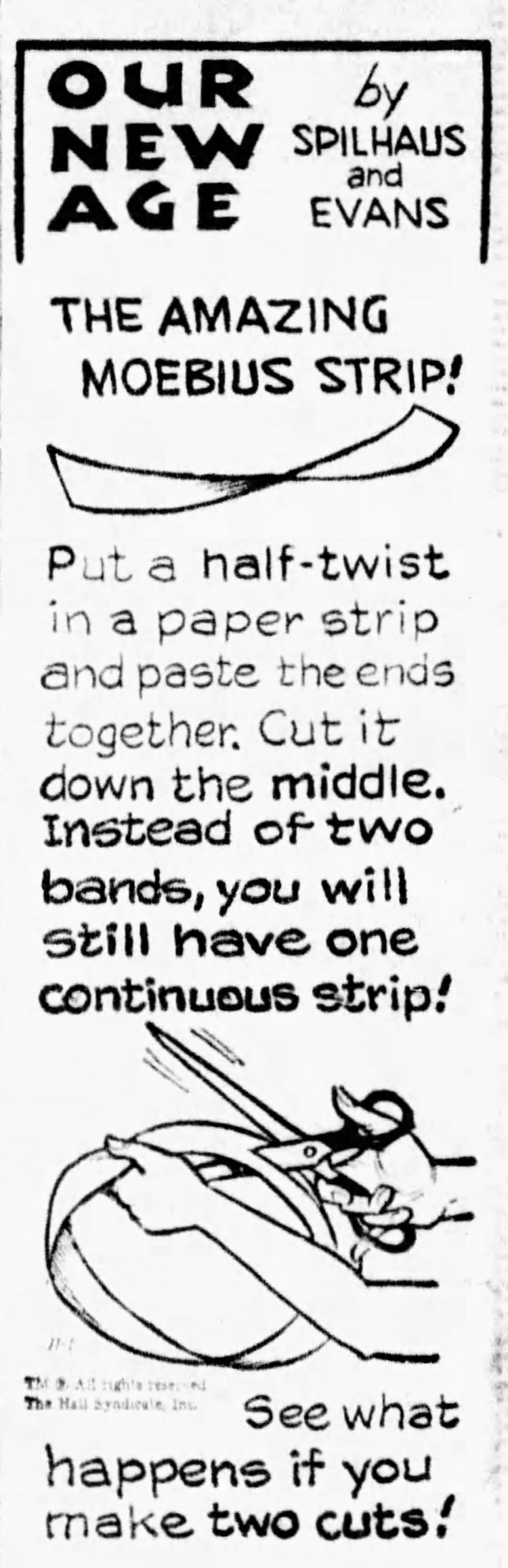
US 1960—person of whom only one aspect is known; continual phenomenon—from the one-sided continuous surface formed by joining the ends of a half-twisted strip
Read More
coined in The Saturday Review (London, 13 July 1861) about the shortage of important news in autumn in The Times of London
Read More
Fundamentally, I object to the will of any group to artificially modify language in order to impose their world view.
Read MoreUSA, 1960s—those who already have will receive more—refers to gospel of Matthew—coined by sociologist Robert King Merton
Read MoreUSA, 1979—acronym from ‘not in my back yard’—first used in ‘the Nimby syndrome’ with reference to the disposal of nuclear waste
Read More‘the milk in the coconut’: a puzzling fact or circumstance; alludes to the question of how the milk got into the coconut—of British-English origin (1832), not of American-English origin as stated by the Oxford English Dictionary
Read MoreUSA, 1914—‘ailurophile’: a cat lover—‘ailurophobe’: opposite sense—based on ancient Greek ‘aílouros’, ‘cat’, perhaps from ‘aiόlos’, ‘swift’, and ‘ourá’, ‘tail’, the cat being perhaps so called on account of the swift movement to and fro of its tail
Read More word histories