‘latter wit’: meaning and origin
Yorkshire & Lancashire, 19th century—wisdom, a witty remark, etc., which occurs to a person after the event, typically too late to be of use
Read More
“ad fontes!”
Yorkshire & Lancashire, 19th century—wisdom, a witty remark, etc., which occurs to a person after the event, typically too late to be of use
Read More(UK, 1775): a dance blindfold among eggs—hence, figuratively (UK, 1856): an intricate and difficult task—also used as a verb
Read MoreVoltaire revived the use of ‘désappointer’ in the sense ‘to frustrate the expectation or desire of (a person)’ with reference to this use of the English verb ‘disappoint’.
Read Moreenjoyment or pleasure shared by a large number of people—coined by Samuel Johnson in his posthumous homage to David Garrick published in Prefaces, biographical and critical, to the works of the English poets (London, 1779)
Read More1546—originally designated the period of time following a wedding, and arose from the comparison of the mutual affection of newly-married persons to the changing moon, which is no sooner full than it begins to wane
Read MoreUK, 1710—in ease and luxury—refers to the use of clover as fodder, as explained by Samuel Johnson in A Dictionary of the English Language (1755): “To live in Clover, is to live luxuriously; clover being extremely delicious and fattening to cattle.”
Read More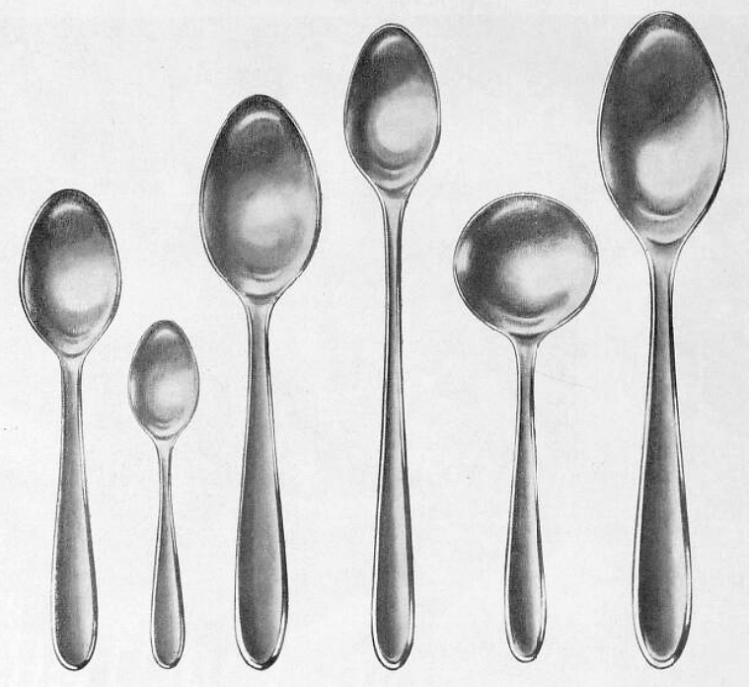
said as a jest after the departure of a person or persons regarded as untrustworthy—apparently coined by the English lexicographer Samuel Johnson (1709-1784)
Read More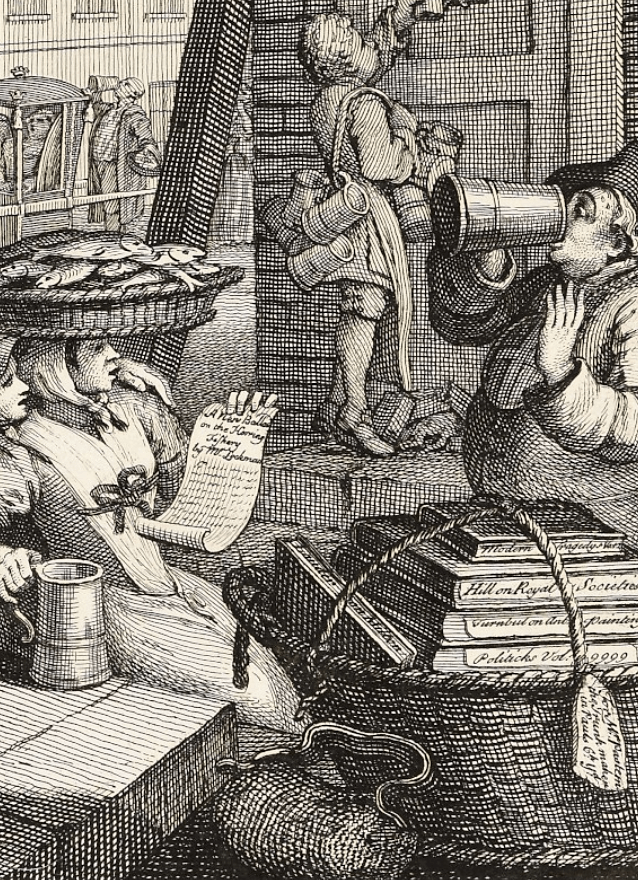
UK, 18th and 19th centuries—‘trunkmaker’ was often employed with allusion to the use of the sheets of unsaleable books for trunk-linings
Read More
The letter ‘s’ in both the nouns currently spelt ‘island’ and ‘aisle’ is due to folk-etymological association of those words with the unrelated noun ‘isle’.
Read MoreUK, 1930—‘as the bishop said to the actress’, ‘as the actress said to the bishop’: mischievously implies a sexual innuendo or ambiguity in a preceding innocent remark
Read More word histories