notes on the British phrase ‘some mothers do have ’em’

1941—expresses exasperation or derision at a clumsy, erratic or idiotic person—popularised by Jimmy Clitheroe in his radio programme The Clitheroe Kid (1958-72)
Read More
“ad fontes!”
1941—expresses exasperation or derision at a clumsy, erratic or idiotic person—popularised by Jimmy Clitheroe in his radio programme The Clitheroe Kid (1958-72)
Read More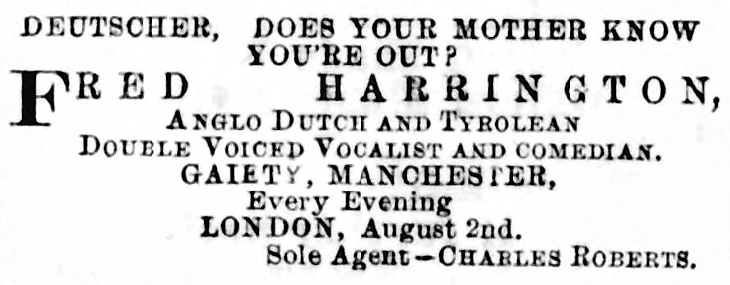
Irish English, 1836—mocking or condescending question addressed to a person whose behaviour is regarded as puerile or inappropriate
Read More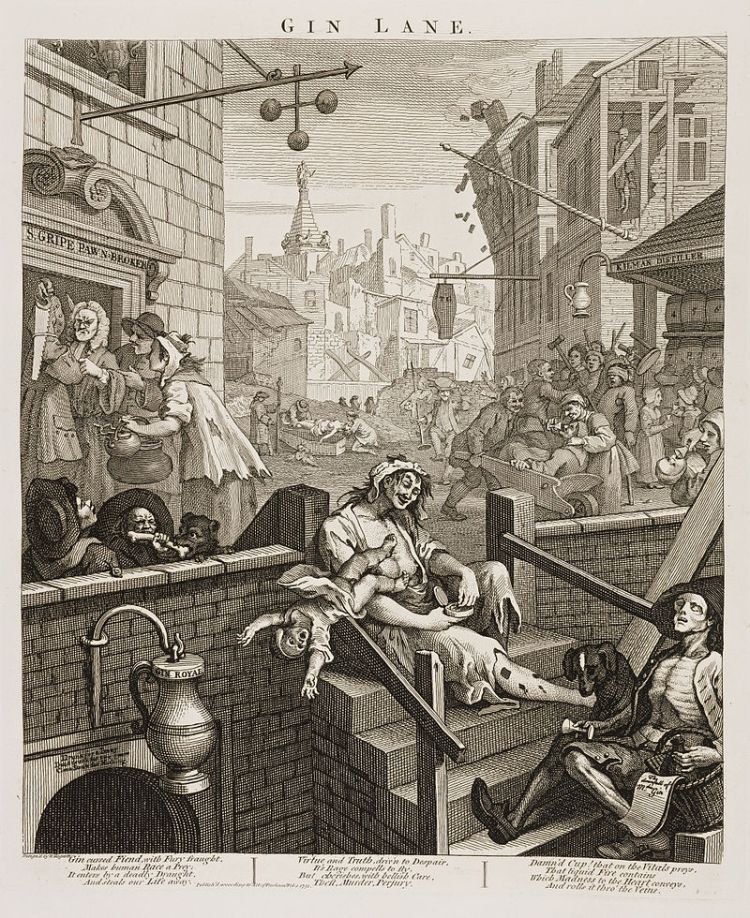
probably refers to pregnancy as an awkward condition, the image being apparently of an uncomfortable position at the top of a pole
Read Morefirst recorded in a speech by Rev. George W. Bethune, transcribed in ‘Brief abstract of the fourth annual report of board of Managers of the New-York city Colonization Society’, published in ‘The American Christian Instructor’ of April 1836
Read MoreOriginally, the mother was the object of ‘deliver’, the image was of delivering (freeing) her from the burden of pregnancy. Nowadays, the healthcare provider or the mother is the subject, the image is of delivering (handing over) the baby, as if it were a package.
Read More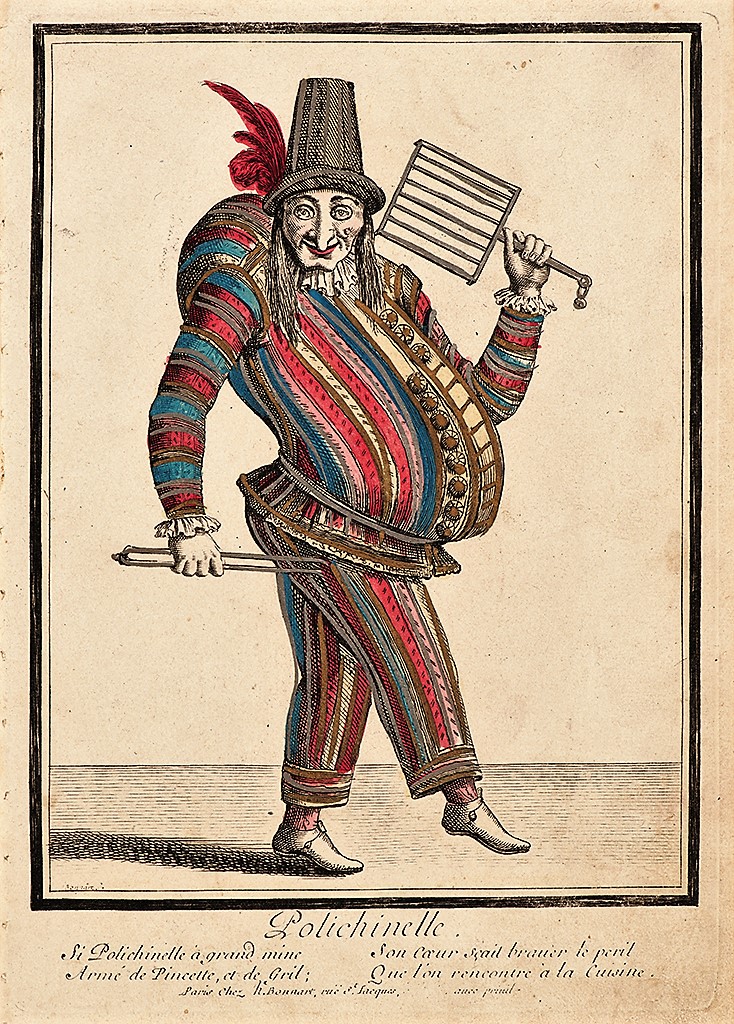
Several English and French words and phrases are ultimately derived the Latin noun ‘pullus’, meaning ‘young animal’, in particular ‘young fowl’.
Read More
The theory that the custom of visiting one’s mother on mid-Lent Sunday derived from the custom of going to one’s mother church on that day is no proven.
Read More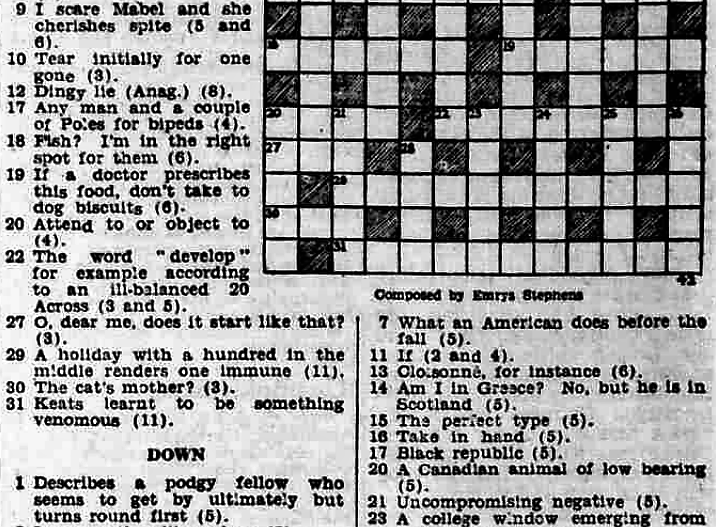
crossword in The Yorkshire Post and Leeds Mercury of 23rd January 1950 30 across: The cat’s mother? (3). The phrase who’s ‘she’—the cat’s mother? and variants are said to a person, especially a child, who uses the feminine third person singular pronoun impolitely or with inadequate reference. The earliest use of the phrase that I found is from The White […]
Read MoreUnexpectedly, the words fawn, meaning a young deer in its first year, and fetus (or foetus), meaning an unborn or unhatched offspring of a mammal, are doublets: they go back to the same etymological source but differ in form and meaning. While fetus has remained identical to this source, the form fawn is the result of sound changes—cf. also turban – tulip, clock – cloak, […]
Read MoreThe English adjective pregnant has several meanings: carrying a fetus or fetuses within the womb, full of meaning or significance, inventive or imaginative, prolific or fruitful. It is from the Latin adjective praegnans/praegnant-, with child, pregnant, variant of praegnas/praegnat-, probably from the prefix prae-, before, and the stem of the verb gnasci (past participle gnatus), […]
Read More word histories