‘not with a bang but a whimper’: meaning and origin
early 1930s—in an anti-climactic, disappointing way (used of something that comes to an end)—alludes to the last line of The Hollow Men (1925), by T. S. Eliot
Read More
“ad fontes!”
early 1930s—in an anti-climactic, disappointing way (used of something that comes to an end)—alludes to the last line of The Hollow Men (1925), by T. S. Eliot
Read MoreUK, 1886—those in charge of an organisation, project or initiative lack the fundamental qualities needed to fulfil their responsibilities
Read Moreto accept or confront the inevitable, or the unpleasant consequences of one’s actions—USA, 1833—origin uncertain and disputed
Read MoreUK, 1810—tenacious, persistent, obstinate—unwilling to yield, to relent or to let go—unable to set aside a preoccupation or obsession—the image is that a dog with a bone will not let go of that bone, no matter what
Read Morevery cunning—New Zealand, 1908—‘Māori dog’: a dog of Polynesian origin; also any mongrel dog associated with Māori settlements or living in a wild state
Read MoreUSA, 1834—a member of a group, organisation, etc., who is so familiar as to be regarded as a permanent feature, and therefore often taken for granted
Read Moreto lose one’s temper—USA, 1913—in an internal-combustion engine, a gasket is sealing layer between adjoining surfaces—hence ‘to blow (out) a gasket’ (USA, 1874): to have a gasket come loose due to excess pressure
Read More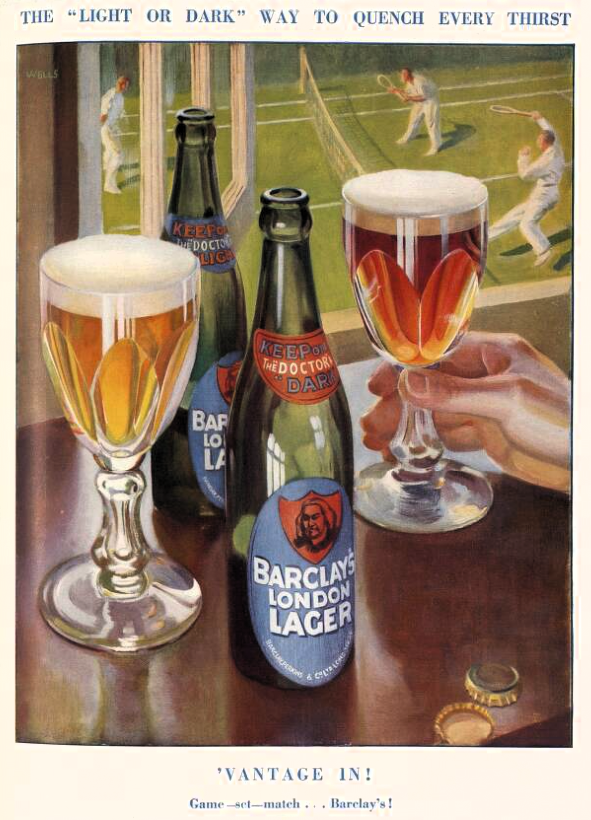
literally (UK, 1876): a victory in a tennis match, secured by winning the deciding game of the last set required to win—in extended use (UK, 1906): a complete and decisive victory
Read Morea very radical, extreme or fanatical left-wing faction within a political party or the political spectrum—USA, 1945, as ‘loony leftists’
Read MoreUSA, 1913: a minority group regarded as eccentric, extremist or fanatical, or simply stupid—but originally, USA, 1874: a woman or girl’s hairstyle in which the front is cut straight and square across the forehead
Read More word histories