Primary Menu
  • home
  • alphabetical index
  • about me
  • contact
  • donate
word histories

word histories

“ad fontes!”

Tag: police

meaning and origin of ‘curse you, Red Baron!’
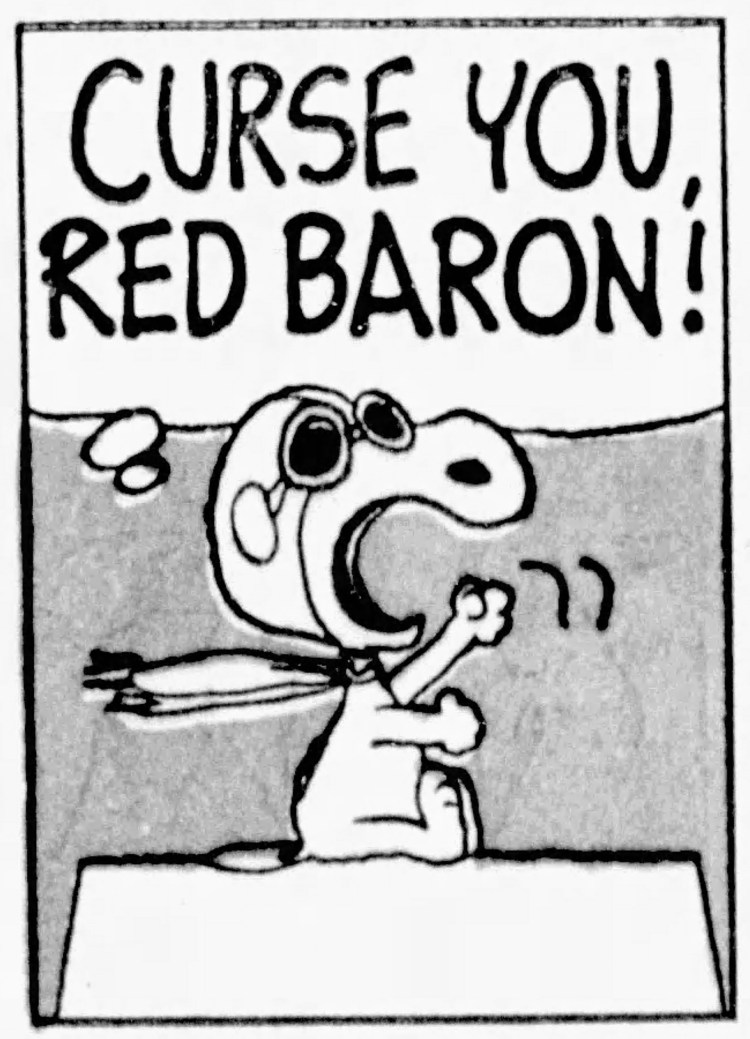
13th Mar 2020.Reading time 6 minutes.

colourful way of railing at someone—USA, 1967—from Schulz’s comic strip Peanuts: Snoopy as a WW1 fighter pilot falls victim to German ace Manfred von Richthofen

Read More

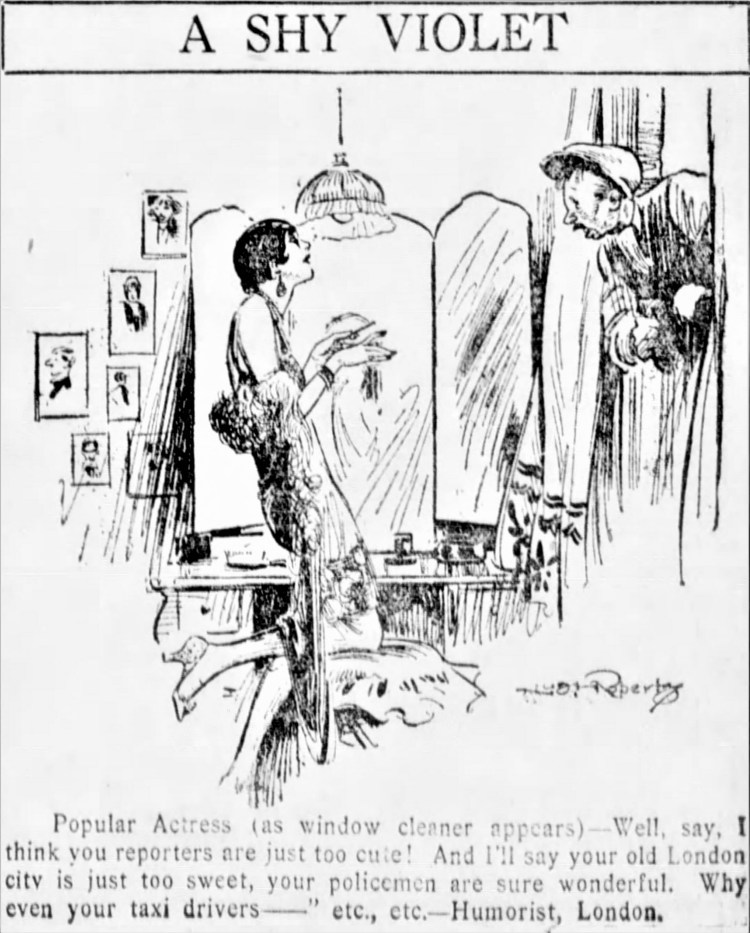
‘your policemen are wonderful’: meaning and history

3rd Mar 2020.Reading time 8 minutes.

1928—used of British police officers, chiefly those of London, by persons, mostly women, visiting the United Kingdom—became rapidly a cliché used jocularly

Read More

‘booze cruise’ #1: a Scottish acceptation

8th Feb 2020.Reading time 12 minutes.

1950—Sunday trip by car or bus, making use of the bona fide clause in licensing laws, by which non-residents got alcohol—coined by Scottish novelist George Blake

Read More
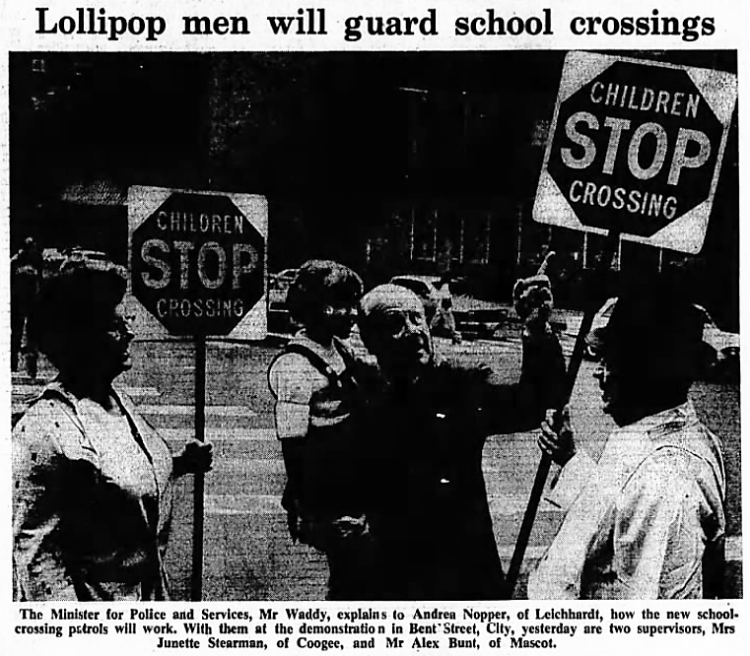
a Briticism: ‘lollipop’ in reference to school crossing

3rd Feb 2020.Reading time 8 minutes.

1957—circular sign on a pole held up to stop traffic so that children may cross the road near a school—person who stops traffic by holding up such a sign

Read More

meaning and history of ‘to write to The Times about it’

21st Oct 2019.Reading time 9 minutes.

UK, 1851—is or jokingly denotes a threat made by a member of the public to write to the London newspaper The Times to express outrage about a particular issue

Read More
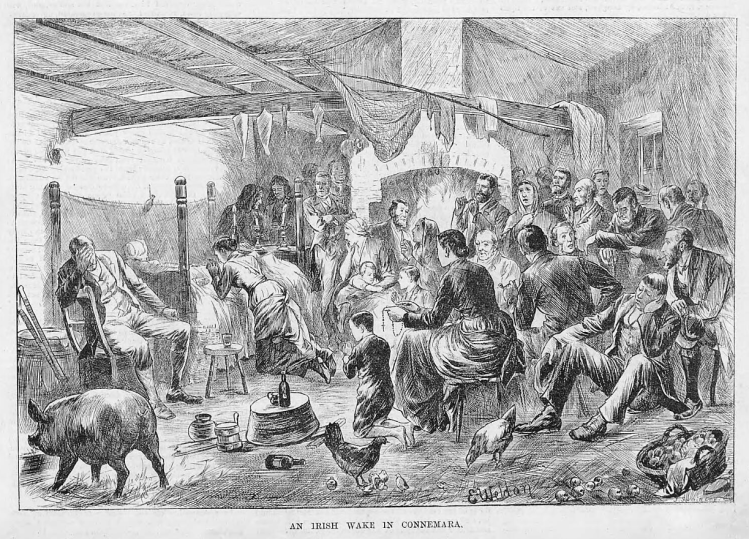
meanings of the Irish-English phrase ‘like snuff at a wake’

26th Sep 2019.Reading time 15 minutes.

1844—various senses, especially ‘hither and thither’ and ‘lavishly’—from the custom of sharing snuff during a vigil held beside the body of someone who has died

Read More
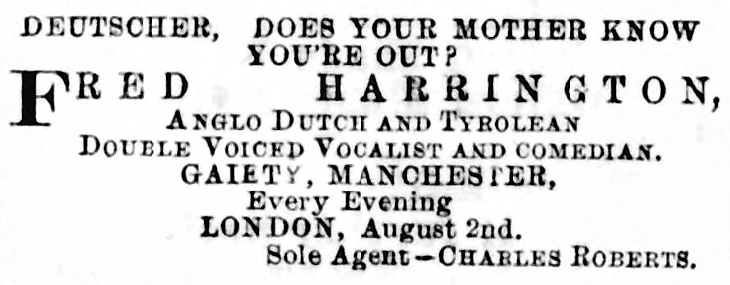
meaning and origin of ‘does your mother know you’re out?’

23rd Sep 2019.Reading time 21 minutes.

Irish English, 1836—mocking or condescending question addressed to a person whose behaviour is regarded as puerile or inappropriate

Read More
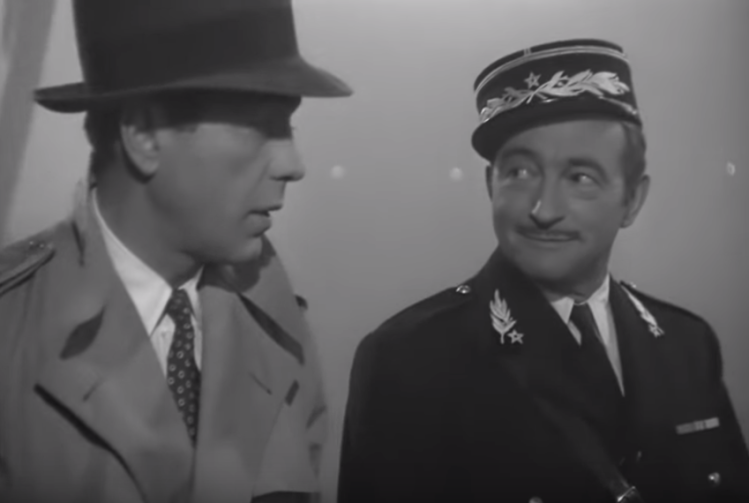
meanings and history of ‘the usual suspects’

10th Sep 2019.Reading time 10 minutes.

USA, 1932—originally used of the impunity enjoyed by gangsters when one of them was murdered—therefore, did not originate in the 1942 film Casablanca

Read More

meanings of the British phrase ‘blues and twos’

8th Sep 2019.Reading time 11 minutes.

UK, 1985—the blue flashing lights and two-tone siren used on an emergency vehicle when responding to an incident; by extension, the emergency services

Read More

meanings and origin of the phrase ‘good cop, bad cop’

5th Jul 2019.Reading time 8 minutes.

USA, 1969—a method alternating kindness with harshness—from a police interrogation technique in which one officer is aggressive while the other is sympathetic

Read More

Posts navigation

Older Posts
Newer posts
Creative Commons License
All posts by word histories are licensed under a Creative Commons Attribution-NonCommercial-NoDerivatives 4.0 International Licence.

Search this blog

Enter your email address to follow this blog and receive notifications of new posts by email.

Join 860 other subscribers.
Follow word histories on WordPress.com

Categories

arts Australia & New Zealand etymology French/English linguistics literature media music public affairs religion symbolisms uncategorised United Kingdom & Ireland USA & Canada

Main Tags

animals Australia Christianity dictionaries drinks economics food human body Ireland judicial Latin military newspapers & magazines phrases politics slang sports & games theatre United Kingdom USA

links

  • Académie française
  • Australian newspapers, magazines and journals, books, and other formats
  • British and Irish newspaper archive
  • Chronicling America: Historic American Newspapers
  • CNRTL (Centre national de ressources textuelles et lexicales)
  • Collins Dictionary
  • Dictionaries of the Scots Language / Dictionars o the Scots Leid
  • Dictionary of South African English
  • English, French and Latin dictionaries
  • Gallica (bibliothèque numérique de la Bibliothèque nationale de France)
  • Irish newspaper archive
  • Lexilogos (a comprehensive set of resources for the study of the languages of the world)
  • Llyfrgell Genedlaethol Cymru / The National Library of Wales
  • Merriam-Webster Dictionary
  • New-Zealand and Pacific newspapers, magazines and journals, books, and other formats
  • Newspaper archive
  • The Australian National Dictionary
  • U.S. newspaper archive

  • Subscribe Subscribed
    • word histories
    • Join 860 other subscribers.
    • Already have a WordPress.com account? Log in now.
    • word histories
    • Subscribe Subscribed
    • Sign up
    • Log in
    • Report this content
    • View site in Reader
    • Manage subscriptions
    • Collapse this bar
This website uses cookies. By continuing, you agree to their use. Learn more, including how we use cookies and how you can change your settings.
 

Loading Comments...