‘neck of the woods’: meaning and origin
USA, 1838—the place or area where someone lives—originally: a narrow stretch of wood; by extension: a settlement in wooded or remote country—formerly also ‘neck of timber’
Read More
“ad fontes!”
USA, 1838—the place or area where someone lives—originally: a narrow stretch of wood; by extension: a settlement in wooded or remote country—formerly also ‘neck of timber’
Read More
UK and Ireland—used of someone who makes a mistake because of poor eyesight—refers to the British optical retail chain Specsavers Optical Group Ltd, in particular to its advertising slogan, ‘should’ve gone to Specsavers’
Read MoreUSA, 1903—the socially inferior part of a town—alludes to the division of a town into areas separated by railway tracks
Read More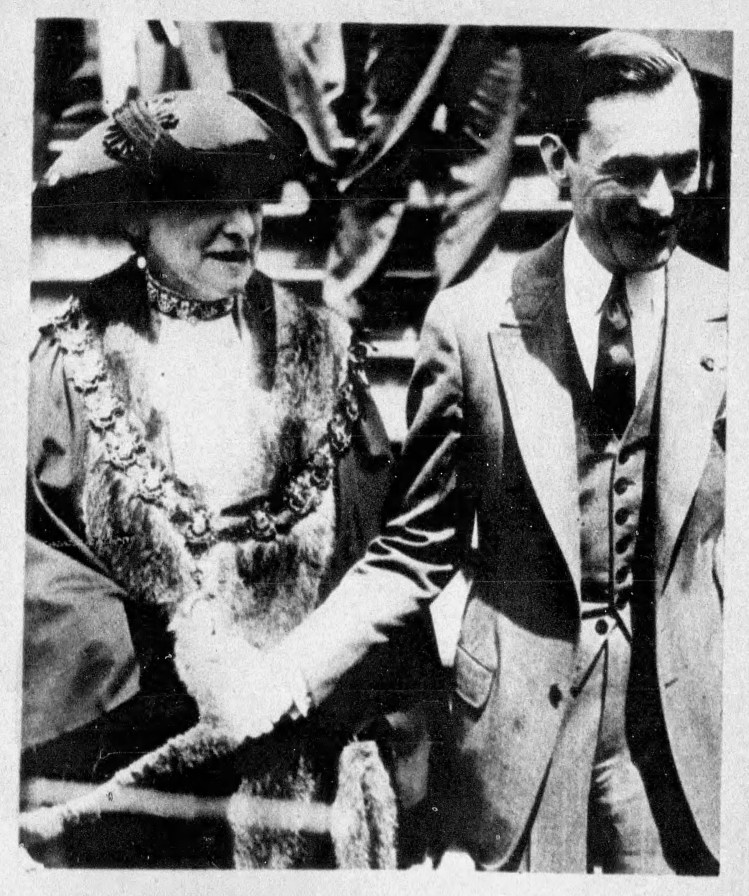
USA, 1928—Based on the contrast between the adjectives ‘little’ and ‘big’, this humorous phrase means: to applaud a woman for an achievement.
Read More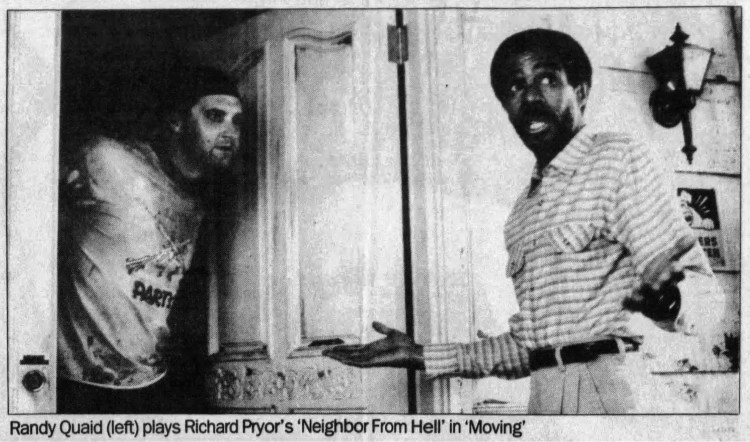
UK, 1993—USA, 1987—the words ‘—— from hell’ are suffixed to nouns often referring to everyday life, such as ‘holidays’ and ‘neighbour(s)’, to make phrases denoting an exceptionally unpleasant or bad example or instance of ‘——’
Read Moredismissal from employment—UK, 1882, as ‘the noble order of the boot’—‘the boot’ refers to kicking somebody out—the phrase puns on two acceptations of ‘order’: an authoritative command and an institution founded for the purpose of honouring meritorious conduct
Read MoreUSA, 1906—a man who fixes something, especially a man who, often illicitly, arranges matters or sets up deals—cf. ‘fixer’: one who, often illicitly, arranges or adjusts matters
Read MoreUSA—‘Mr Nice Guy’ (1952, first used of Perry Como): a pleasant, selfless, thoughtful person—‘no more Mr Nice Guy’ (1960): used to express that one has decided to stop being considerate of others and instead act exclusively in one’s own self-interest
Read MoreUK, 1864: a naive person who can be manipulated to advance a political agenda—USA, 1948 (1946 as ‘useful innocent’): with reference to a communist strategy designed to gain political power
Read MoreUSA, 1937—an uneasy sensation felt, especially in the stomach, as a result of nervousness or apprehension—based on the notion that the fluttering of butterflies may produce a similar sensation
Read More word histories