used of a buck-toothed person—USA, 1933, as ‘can eat an apple through a picket fence’—USA, 1950, as ‘can eat an apple through a tennis racquet’—UK, 1979, as ‘can eat an apple through a letter box’
UK, 1806—very rapidly and thoroughly—refers to a dose of aperient salts—has come to be also used in the extended form ‘like a dose of salts through + noun’
‘red rag’—a piece of red cloth used to provoke an animal—hence, figuratively, a source of provocation or annoyance, something which excites violent indignation—the notion occurs in the late 16th century
USA, 1893—the part of a town or city in which prostitution and other commercial sexual activities are concentrated—originally used of Louisville, Kentucky—from the use of a red light as a sign outside a brothel
Australia, 1887—a forlorn hope, no prospect whatever—may refer to the British convict William Buckley (1780-1856), who escaped from custody in 1803 and lived for thirty-two years with Aboriginal people
1733—denotes imaginary or non-existent people—refers to John Falstaff’s vaunting tale in the First Part of King Henry the Fourth, by William Shakespeare, in which two men in buckram suits gradually become eleven
UK, 1985—to be ‘stale’, to be no longer innovative, relevant, or effective—refers to the practice introduced in Britain in the early 1970s of stamping perishable goods with the latest date by which they may be sold
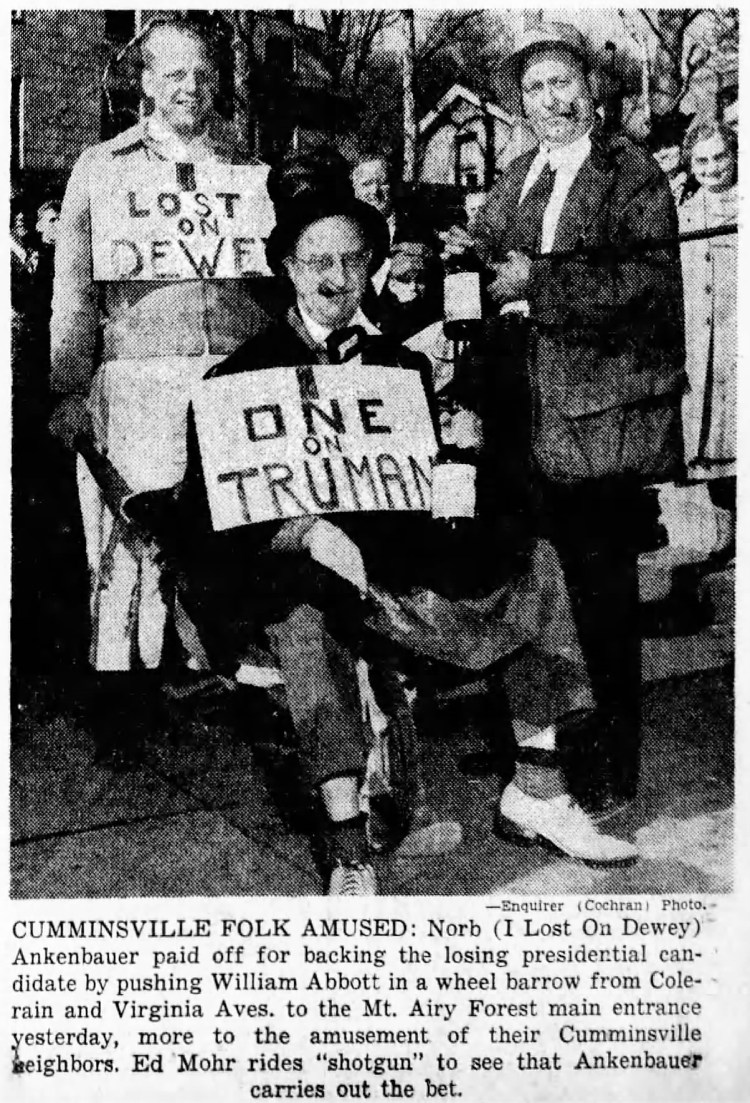
USA—literally (1905): to travel as an armed guard next to the driver of a vehicle—in extended use (1948): to accompany, to escort, especially in ‘to ride shotgun on somebody’—figuratively (1949): to assist, to protect, especially in ‘to ride shotgun on somebody’
UK, 1831—used when the result of a contest or the outcome of an action appears certain—originally used of horse racing—the noun ‘shouting’ denotes a loud and enthusiastic show of appreciation

 word histories