UK, 1930—used of a man who pretends to be well-off despite having little money—the image is of a man of limited means who spends what he has on smart clothes, and therefore cannot afford any breakfast
UK, 1934—used of a person who pretends to be well-off despite having little money—the image is of a person who has expensive curtains on the windows of their house, but subsists on a diet of inexpensive fish
UK, 1826—to find oneself in a situation that has turned out to be difficult to control but cannot be got out of—the image is that someone holding a tiger by the tail can neither keep hold of it nor let go of it with safety
to invest one with energy—USA, 1959 & 1960—used as an advertising slogan by both Oklahoma Oil Company and Humble Oil & Refining Company—this advertising slogan soon became a popular catchphrase
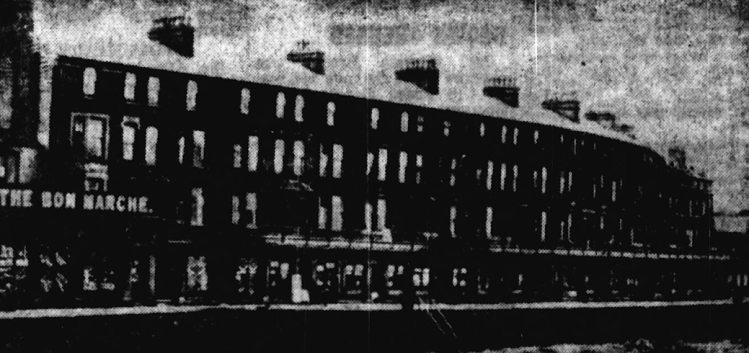
UK, 1880—a promenade at the seaside resort of New Brighton, in north-western England—alludes to the fact that cooked ham served with eggs was a popular dish at New Brighton’s eating-places
Australian English, 1848: any urban area (said to be of Aboriginal origin)—Irish and British English, 1862: Dublin and London—alludes to smoke as characteristic of an urban area
Australia, 1901—refers to rough penmanship—alludes to Clancy of the Overflow (originally published in The Bulletin, Sydney, on 21st December 1889), by the Australian poet Andrew Barton Paterson
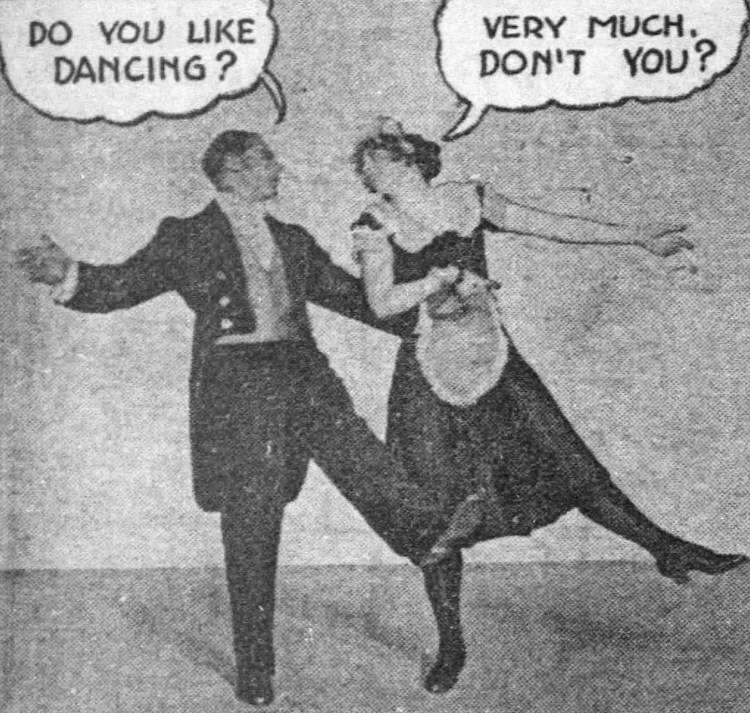
1842—The noun ‘patter’ denotes the sound of light footfall, and the phrase ‘the patter of tiny feet’, and its variants, denote the presence of one or several young children, or the imminent birth of a child.

 word histories