‘between a rock and a hard place’: meaning and origin
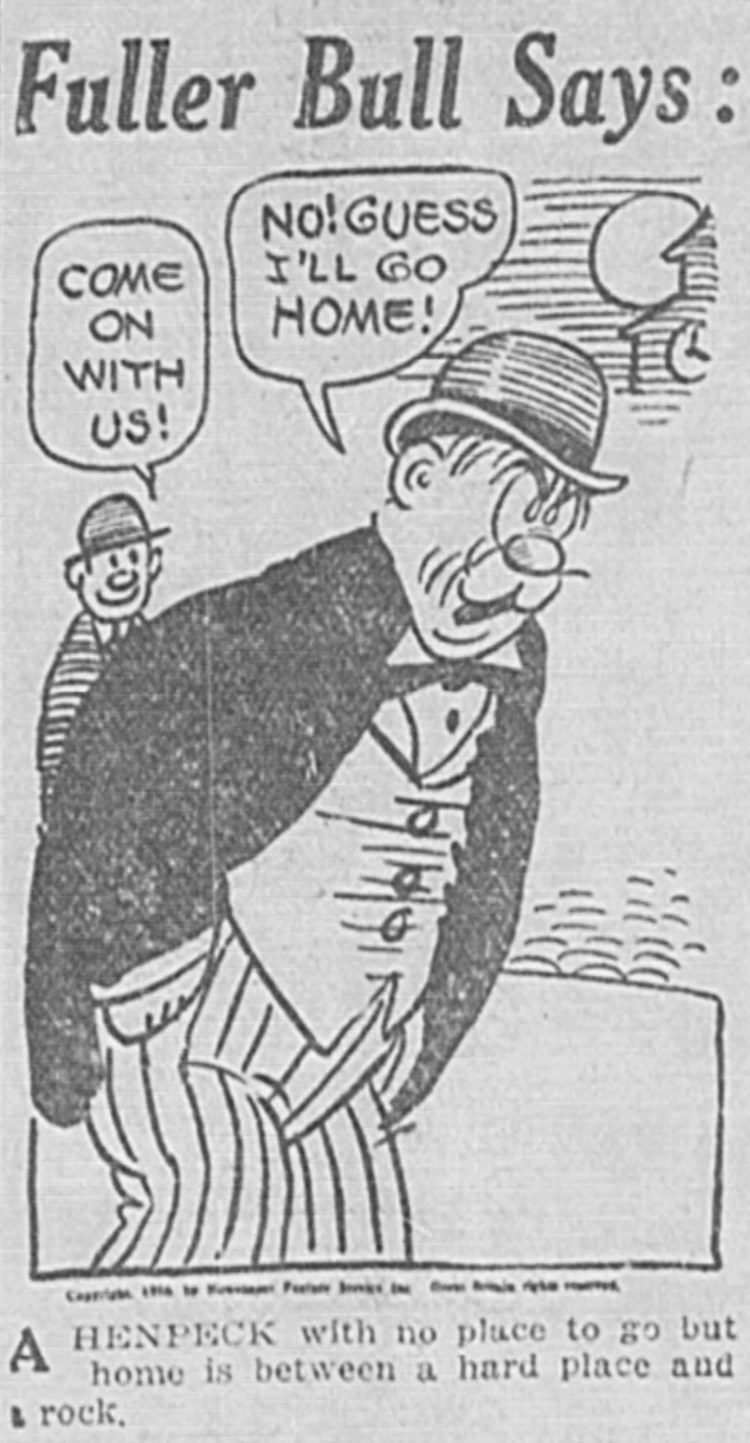
faced with two equally difficult alternatives; in a dilemma—USA, 1914
Read More
“ad fontes!”
faced with two equally difficult alternatives; in a dilemma—USA, 1914
Read Moreto react with shock or dismay, especially in response to something considered immoral, underhand or vulgar—USA, 1990—from an episode of the sketch-comedy television series In Living Color, broadcast on 15th April 1990
Read Moremeaning: a person cannot be expected to behave in a manner that is not in their character—numerous variants—first recorded in 1731 as ‘If we petition a Hog, what can we expect but a grunt’
Read More(humorous and frequently ironic) determinedly or stubbornly independent—USA, 1841—apparently refers to the extreme helplessness of a hog (i.e., a pig) on the ice
Read Moreself-righteously or sanctimoniously virtuous, or professing to be so—UK, 1834—alludes to the Book of Isaiah, 65:5: “Stand by thyself, come not near to me; for I am holier than thou.”
Read Morean occasion on which enjoyment or profit is derived from the suffering or discomfiture of others—UK, 1836—alludes to the description of a gladiator dying in a Roman arena in Childe Harold’s Pilgrimage (1818), by Byron
Read Moreto snore—UK, 1828—this phrase likens a person’s snoring to the sound made by a herd of pigs
Read Moremeaning: if circumstances permit, if all is well—first recorded in 1683—of unknown origin
Read More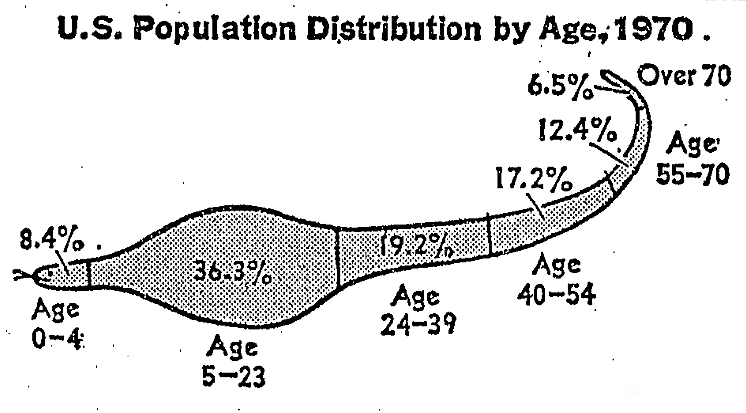
Canada, 1970—the people who were born during the ‘baby boom’ of the years immediately following WWII, considered as a demographic bulge—any short-term increase or notably large group
Read Morethe final four months of the calendar year, i.e., September, October, November and December—UK, 1863—from ‘-ember’ in ‘September’, ‘November’ and ‘December’
Read More word histories