‘a bad day at the office’: meaning and early occurrences
a day on which one has performed badly, especially at work; a day which has been unusually difficult or unsatisfactory—USA, 1895
Read More
“ad fontes!”
a day on which one has performed badly, especially at work; a day which has been unusually difficult or unsatisfactory—USA, 1895
Read Moreto get caught doing something wrong, unauthorised or illegal—USA, 1933
Read Moretypical of a men’s locker room, especially in being vulgar or coarse—USA, 1921—originated in golf
Read Moredangerously or uncomfortably close or near—USA, 1827
Read More
USA, 1961—of air travel: causing fear of such intensity that one’s knuckles whiten in an anxious grip
Read Morevery quickly and without hesitation; eagerly—Scotland and northern England, 1778
Read Morecrude humour centring chiefly on bodily functions—USA, 1931
Read More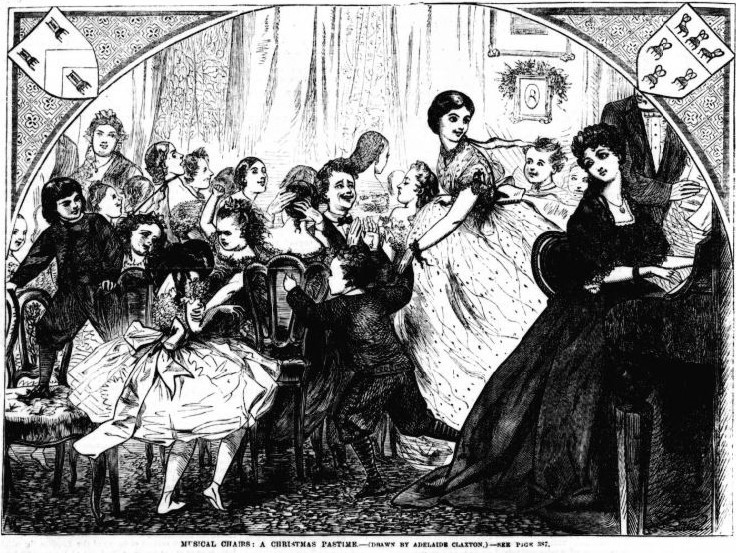
UK, 1865—a Christmas-season party game in which players walk around a decreasing number of chairs while music is played, the loser in each round being the one who fails to find a seat when the music stops
Read More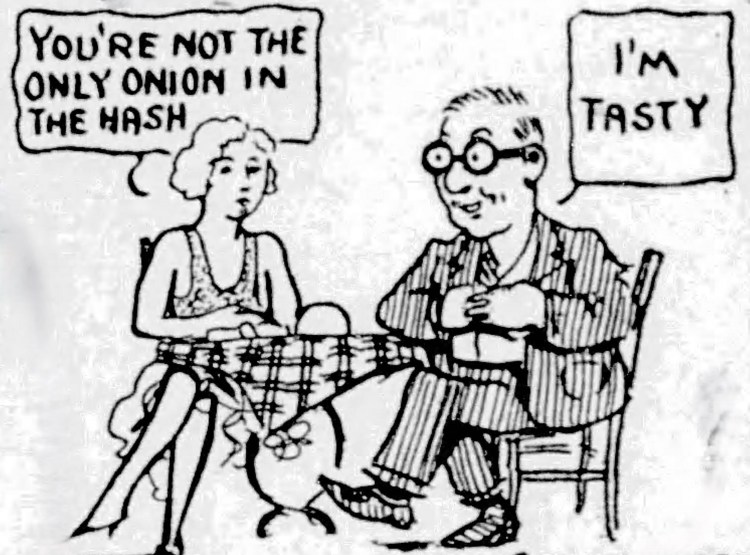
not the only person or thing to be taken into consideration—USA, 1918, in a story by Harry Charles Witwer—later popularised by P. G. Wodehouse
Read Morethe distinctive French players’ unconventional, creative and fast-paced style—UK, 1957—perhaps coined by the British sports journalist Michael Melford
Read More
