UK, 1860: used specifically of the political and commercial uniqueness or isolation of the United Kingdom—but used earlier, more generally, in reference to being cut off from one’s kind or from the rest of the world
UK, 1839—France, 1843—the best people in a group, or the best type of a particular thing—a borrowing from French ‘crème de la crème’, literally ‘cream of the cream’
USA, 1986—consent by nearby residents to the siting of something despite the fact that they perceive it as unpleasant or hazardous—acronym from ‘yes in my back yard’, after ‘NIMBY’
also ‘ring (a)round the bath(tub)’—USA, 1914—a dirty water-level mark left on the inside of a bathtub after it has been drained, caused by a combination of hard water and a build-up of soap scum, oils from bath products, etc.
has been colloquially used to express a great variety of notions, in particular ugliness and madness, but also unpleasantness, unpredictableness, agitation, disturbance, etc.
a person embodying the civilised qualities supposedly characteristic of both an officer in the armed forces and a gentleman—UK, 1749, in the Articles of War
the educated sections of society, considered as enjoying discussion of political, social and cultural issues—coined in 1980 by British journalist Frank Johnson, but had occasionally occurred from 1840 onwards
‘to spread [something or someone] like Marmite’ (1964)—‘like Marmite, a little goes a long way’ (1970)—Marmite is a savoury paste made from concentrated yeast and vegetable extract, used as a spread and for enriching soups and stews
indicates that a place or event is one to which guests may or should bring their own alcoholic drink—UK, 1858—USA, 1910—in early U.S. use, often referred to the prohibition of alcohol
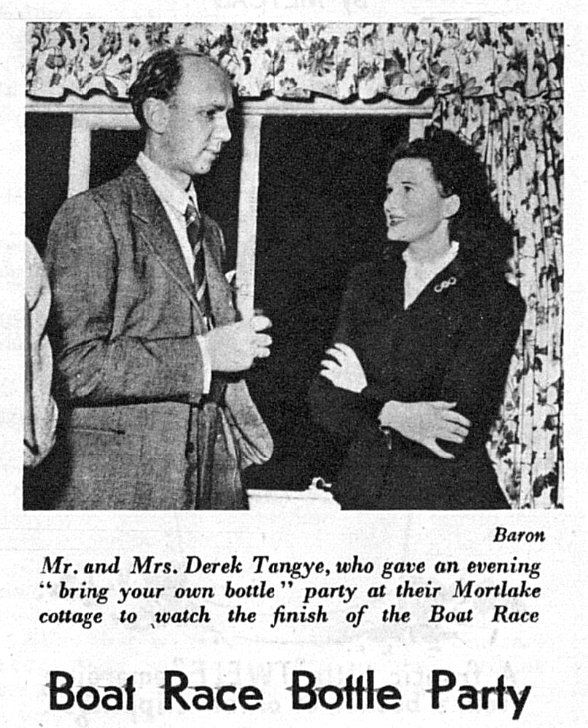
a party to which attendees are encouraged to bring their own drinks, especially alcohol—‘bring-your-own-bottle party’: USA, 1923, in the context of Prohibition—‘bring-a-bottle party’: UK, 1928



 word histories