The phrase at (or in) one fell swoop means all in one go. Here, the noun swoop, which denotes the act of swooping down, refers to the sudden pouncing of a bird of prey (a kite for example) from a height upon its quarry (of Germanic origin, the verb swoop is cognate with sweep). The […]
MAIN MEANINGS – verb: to behave as though sexually attracted to someone, but playfully rather than with serious intentions – noun: a person who acts flirtatiously ORIGIN The verb flirt is probably onomatopoeic, the phonetic elements /fl-/ and /-əːt/ both suggesting sudden movement. It may therefore be comparable to verbs such as […]
The English adjective pregnant has several meanings: carrying a fetus or fetuses within the womb, full of meaning or significance, inventive or imaginative, prolific or fruitful. It is from the Latin adjective praegnans/praegnant-, with child, pregnant, variant of praegnas/praegnat-, probably from the prefix prae-, before, and the stem of the verb gnasci (past participle gnatus), […]
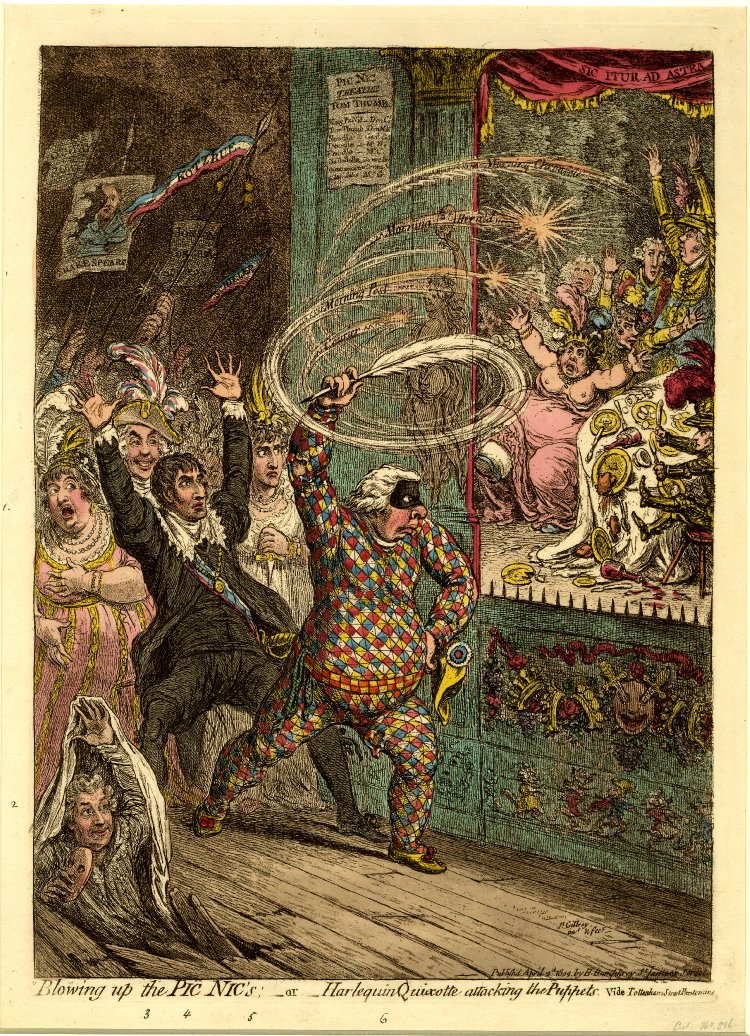
Blowing up the PIC NIC’s:—or—Harlequin Quixotte attacking the Puppets. Vide Tottenham Street Pantomime (1802), by James Gillray (1756-1815) — image: The British Museum MEANING a meal eaten outdoors ORIGIN This word is from French pique-nique, probably formed with reduplication from the verb piquer, to pick. (Similarly, pêle-mêle, the origin […]
the 1905 edition of Le Petit Larousse illustré, a French-language encyclopaedic dictionary published by the Éditions Larousse In 1890, Eugène Grasset (1845-1917) designed the image of la Semeuse (the Sower) blowing dandelion seeds, which accompanies the motto of the Éditions Larousse, Je sème à tout vent (I sow to the four winds). The word […]
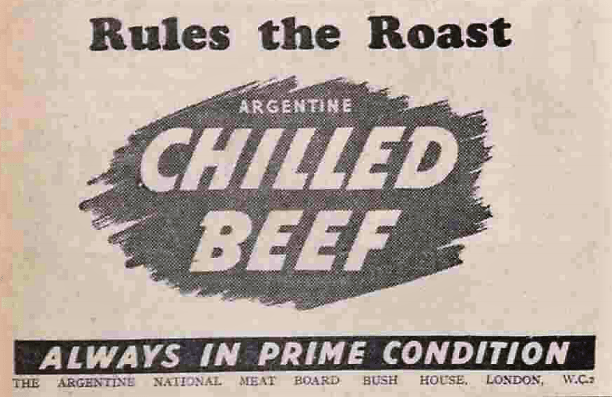
To rule the roost means to be in a dominating position over others. This phrase conjures up a picture of a cock lording it over a group of hens, i.e. a roost, in the farmyard, and appears to be similar to cock of the walk, which designates someone who dominates others within a group. But […]
MEANING to stay up very late in order to study or do some other work ORIGIN The word oil was used in various phrases referring to the use of oil in a lamp for nocturnal study. For example, to lose one’s oil meant to study or labour in vain; the English historian […]
The word helpmate means a helpful companion or partner, especially one’s husband or wife. This noun was originally helpmeet, about which the New English Dictionary (i.e. the Oxford English Dictionary – 1901 edition) explained the following: A compound absurdly formed by taking the two words help meet in Genesis, ii, 18, 20 (‘an help meet […]
The verb to sack (someone) means to dismiss (someone) from employment. This verb seems to have appeared in the first half of the 19th century. For example, the Perthshire Courier (Scotland) of Thursday 29th April 1841 reported that at the Glasgow assizes, during the trial for the murder of a superintendent of Railway labourers, one […]
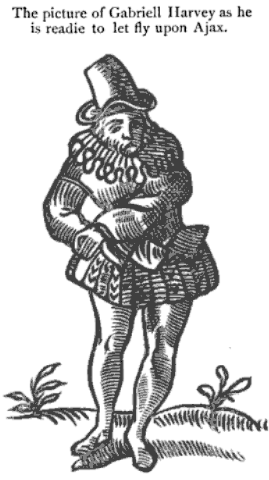
Caricature of Gabriel Harvey from Haue with you to Saffron-walden. Or, Gabriell Harueys hunt is vp (1596), by Thomas Nashe. Entitled The picture of Gabriell Harvey as he is readie to let fly upon Ajax, this caricature depicts him rushing to the toilet at the thought of Nashe’s publication. Ajax was a pun on […]