from classical Latin ‘urbī’, dative of ‘urbs’ (city), and ‘orbī’, dative of ‘orbis’ (orb, circle)—in classical Latin, ‘orbis terrarum’, ‘orbis terrae’, the orb, or circle, of the earth, meant by extension the world, since the ancients regarded the earth as a circular plane or disk
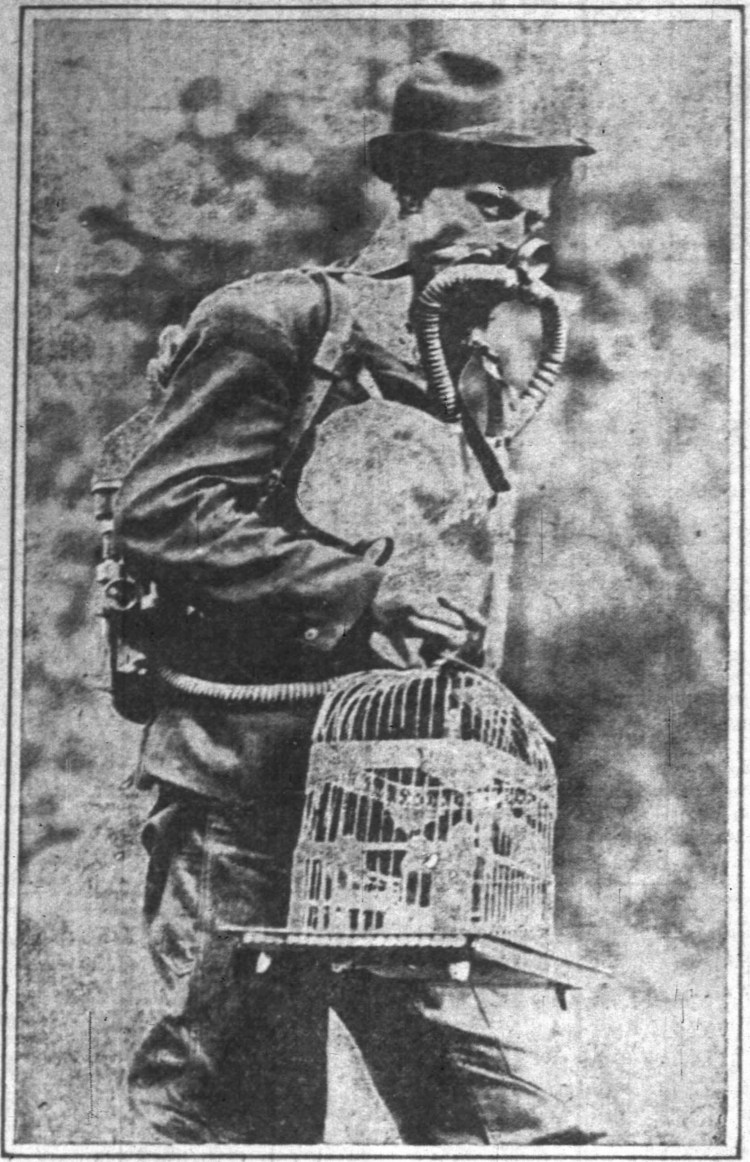
USA, 1964—‘canary in the coal mine’: an early indicator of potential danger or failure—from the former practice of taking live canaries into coal mines to test for the presence of toxic gases, the illness or death of the canaries serving as an indication that such gases were present
The phrase ‘a far cry’ means ‘something very different’. Its literal signification (first recorded in A Legend of Montrose (1819), by Walter Scott) is ‘a long way’, ‘a great distance’. Here, the noun ‘cry’ denotes ‘a calling distance’, as in ‘within cry of’, meaning ‘within calling distance of’.
‘coward’—from Old-French ‘cuard’, probably referring to a frightened animal with its tail between its legs—from ‘cüe’ (Modern French ‘queue’), ‘tail’, and pejorative suffix ‘-ard’ (cf. ‘bastard’)—‘cowardy, cowardy custard’, alliterative nonsensical children’s phrase (19th century)
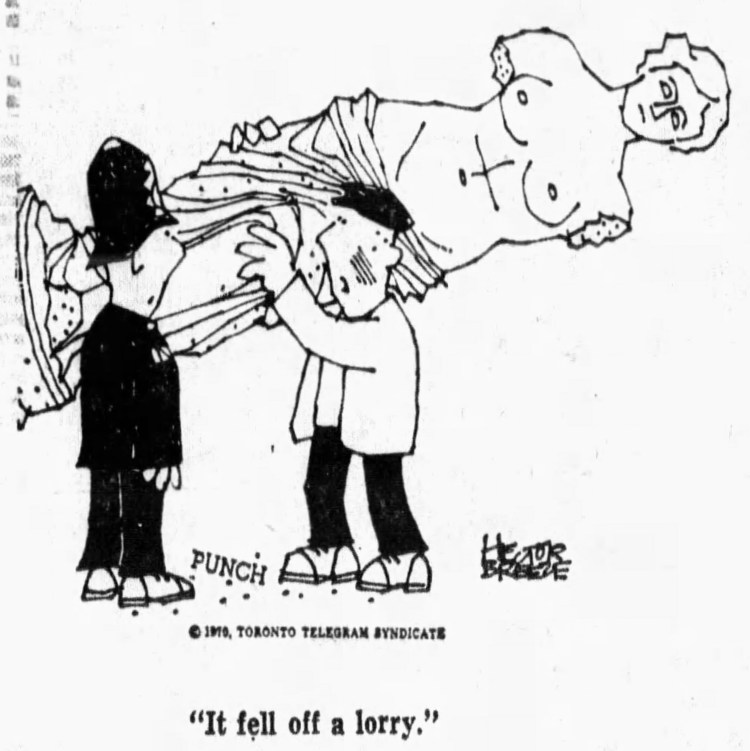
UK, 1953, humorous and euphemistic—‘to fall off (the back of) a lorry’: of goods, ‘to be acquired in dubious or unspecified circumstances’, especially ‘to be stolen’—variant with ‘truck’ came into use later in Australian and North American English
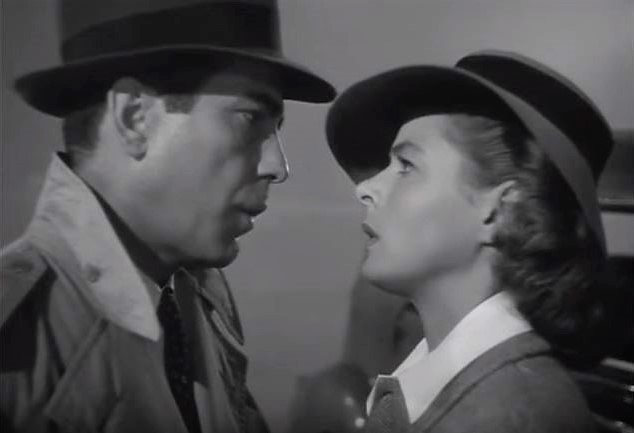
USA, 1871—The phrase ‘here’s looking at you’ is used as a toast in drinking. It is now widely associated with the American film Casablanca (1942), in which Humphrey Bogart addresses Ingrid Bergman with the words “Here’s looking at you, kid.”
First recorded in The Leeds Mercury (Leeds, Yorkshire) of Friday 26 August 1938, the phrase ‘to use one’s loaf’ means ‘to use one’s common sense’. Here, ‘loaf’, a shortening of ‘loaf of bread’, is rhyming slang for ‘head’.
USA, 1811—based on the three principal components that make up a flintlock gun: ‘lock’ denotes the firing mechanism, ‘stock’ the handle or wooden shoulder-piece to which it is attached, and ‘barrel’ the tube down which the bullet is fired
to create trouble or a commotion—USA, 1840—a euphemism for synonymous phrases such as ‘to raise the Devil’ and ‘to raise hell’—from the name of the eldest son of Adam and Eve and murderer of his brother Abel
first recorded in a speech by Rev. George W. Bethune, transcribed in ‘Brief abstract of the fourth annual report of board of Managers of the New-York city Colonization Society’, published in ‘The American Christian Instructor’ of April 1836