meaning and origin of the phrase ‘to know how many beans make five’

to be sensible and intelligent—1784 in a US publication, but attributed to “a gentleman from abroad”—‘blue’, meaningless fanciful intensive, sometimes before ‘beans’
Read More
“ad fontes!”
to be sensible and intelligent—1784 in a US publication, but attributed to “a gentleman from abroad”—‘blue’, meaningless fanciful intensive, sometimes before ‘beans’
Read MoreUK, 1930—‘as the bishop said to the actress’, ‘as the actress said to the bishop’: mischievously implies a sexual innuendo or ambiguity in a preceding innocent remark
Read MoreUSA, 1815—from the practice of putting one’s ear to the ground in order to detect the vibration of sounds in the distance before they can actually be heard
Read More
the city or university of Oxford; the sheltered condition of unworldly academics—from the poem ‘Thyrsis’ (1866), by Matthew Arnold
Read MoreUK, 1789—aided by alliteration, arose from a long-established figurative use of ‘brass’, sometimes in association with ‘bold’
Read More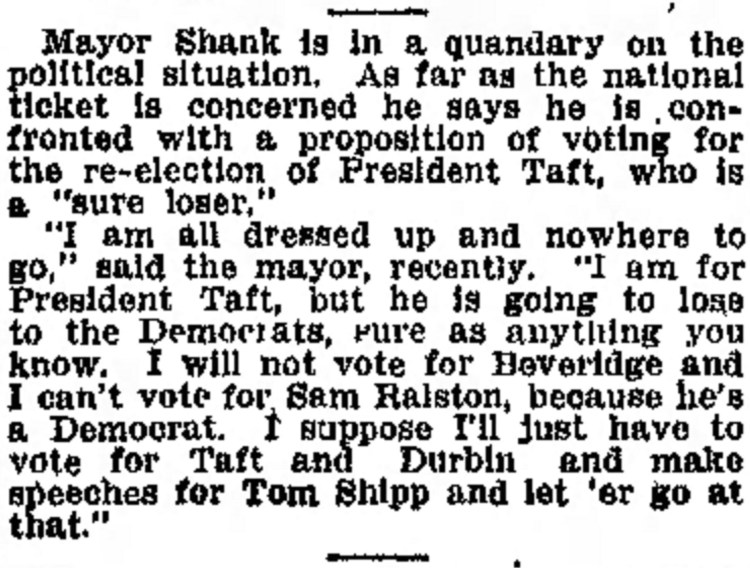
USA, 1910—originated as a line in the musical comedy The Girl of My Dreams—allegedly coined by music-hall artist Nita Allen
Read MoreUK, 1920—to commit a blunder; to make a tactless or indiscreet remark—meaning obscure in some early uses
Read MoreBritish Army slang, 1945—the image is of something dropping with a clang, i.e. with a loud resonant ringing sound.
Read MoreThe image of one’s bread getting or being buttered has long been used to denote getting or having benefits, advantages.
Read MoreAfter ready-sliced bread was introduced, improvements in the baking industry were assessed by comparison with it—hence the figurative use of ‘since sliced bread’
Read More
