origin and early instances of ‘honky-tonk’ (cheap entertainment venue)
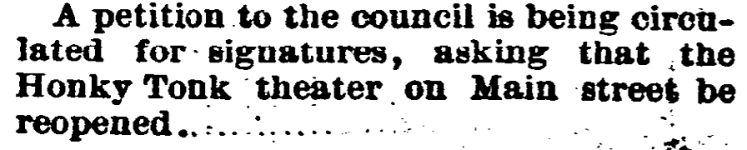
USA—probably a reduplication based on ‘honk’—appeared in Texas as the name of a theatre (1889) and of a variety show (1890)
Read More
“ad fontes!”
USA—probably a reduplication based on ‘honk’—appeared in Texas as the name of a theatre (1889) and of a variety show (1890)
Read MoreUK, 1957—an expression of encouragement, but often used ironically with the opposite meaning—origin unclear
Read Moreconfused activity and uproar—alludes to the frequent collocation of ‘alarum’ and ‘excursion’ in stage directions in Shakespearean drama
Read More1825, Anglo-Irish alteration of ‘by Jesus’—1867 as one word—‘the bejesus out of’ (1931) intensifies the action conveyed by the preceding verb
Read MoreWhy is the element one in words such as alone and only not pronounced like the numeral one? Both the indefinite article an (a before consonant) and the numeral one are from Old English ān—which has survived in Scotland as ane, used both as indefinite article and as numeral. This Old-English word ān meant a/an, one, […]
Read More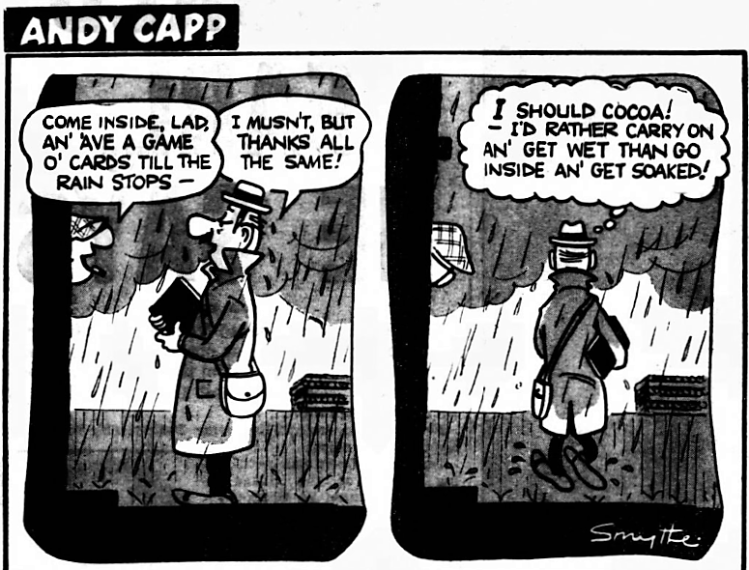
UK slang, 1936—emphatic agreement, though often ironical—‘cocoa’ is said to be rhyming slang for ‘so’ in ‘I should say so’
Read More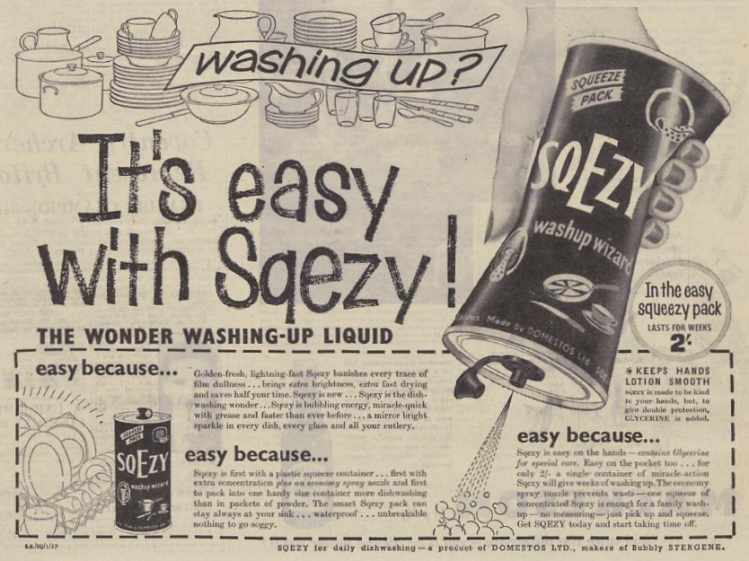
Contrary to what is claimed, ‘easy-peasy’ doesn’t seem to be of British origin, nor to be connected with the British washing-up liquid Sqezy.
Read More
Scotland, 1914: ‘buroo’, informal form of ‘bureau’ (generic sense)—later used specifically in the sense of Labour Bureau, hence of unemployment benefit (1921)
Read MoreUK, 1789—aided by alliteration, arose from a long-established figurative use of ‘brass’, sometimes in association with ‘bold’
Read MoreUSA, 1931—phrase based on the phonetic similarity of the two words that compose it—implies lack of discrimination
Read More word histories