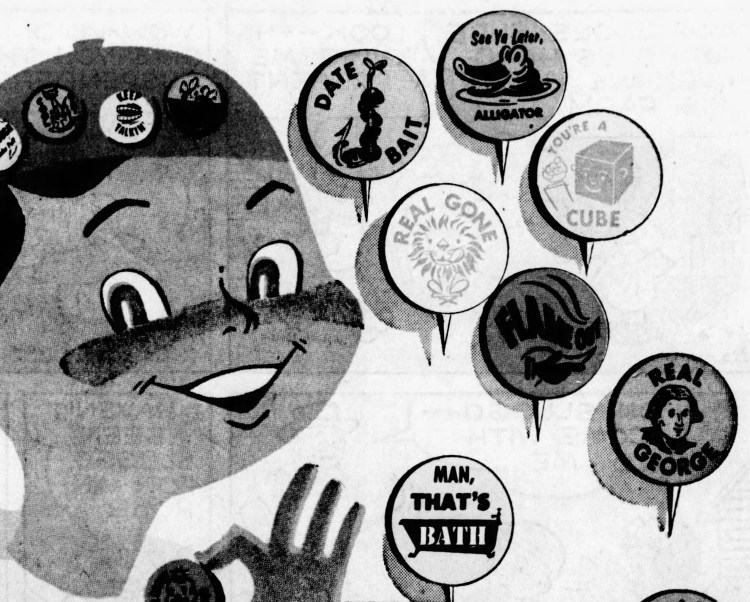
The colloquial see you later, alligator, which originated in American English, is a catchphrase used on parting. The expected response is in, or after, a while, crocodile. —Cf. also notes on ‘see you later, agitator’. The earliest instance of see you later, alligator that I have found is from Teenagers’ Slang Expressions Are Explained by […]
The phrase ‘below the salt’ originated in the social differentiations materialised by the former custom of placing a large saltcellar in the middle of a dining table.
French—from the noun use of the Latin adjective ‘natalis’ (from Christian-Latin ‘natalis dies’, ‘day of birth’), denoting the festival of the nativity of Christ
from Spanish ‘vamos’, ‘let us go’—first recorded as ‘vamos’ in ‘Every Night Book; or, Life after Dark’ (London, 1827), by the English author William Clarke
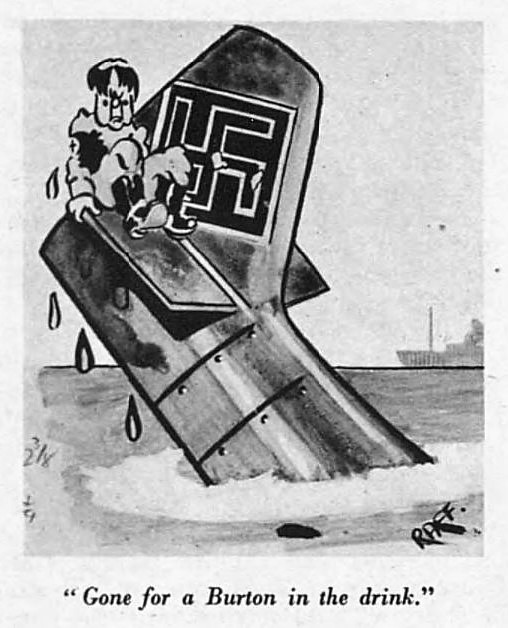
to meet with disaster; to be ruined, destroyed or killed—UK, 1941, RAF slang: (of an airman) to be killed—perhaps from ‘to go for a drink (of Burton ale)’
originally ‘pampered child’, later ‘town-dweller regarded as affected or puny’—origin uncertain—probably not the same word as ‘cokeney’, literally ‘cock’s egg’


 word histories