‘oojah’: meanings (and origin?)

UK, 1917—used when one cannot think of, or does not wish to use, the name of a thing; by extension, a useful implement, a gadget—origin unknown
Read More
“ad fontes!”
UK, 1917—used when one cannot think of, or does not wish to use, the name of a thing; by extension, a useful implement, a gadget—origin unknown
Read More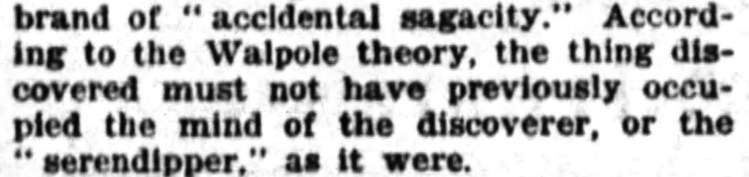
The noun serendipity denotes the faculty of making by accident discoveries that are both fortunate and unexpected. (It has been borrowed into Spanish as serendipia, into Italian as serendipità, and into French as sérendipité.) It was coined by the English writer and politician Horace Walpole (1717-97). In a letter that he wrote to his friend Horace Mann […]
Read More
Four’s a Crowd.—A merry, irresponsible farce that dips frequently into pure crazy comedy. For this they have chosen to give Errol Flynn and Olivia de Havilland a “break” from their usual story book hero and heroine types. These two lovely young people do very well, but I cannot think that crazy comedy suits them best. […]
Read More
mandragoras – from Stirpium historiae pemptades sex sive libri XXX (1583), by Rembert Dodoens The term hand of glory originally denoted a charm made from, or consisting of, the root of a mandrake. A calque of French main de gloire, it was first used in Curiosities of nature and art in husbandry […]
Read MoreThe phrase caviar to the general is used to denote a good thing unappreciated by the ignorant (here, the general refers to the multitude). It is from The Tragicall Historie of Hamlet, Prince of Denmarke (between 1599 and 1602), by the English poet and playwright William Shakespeare (1564-1616): (Quarto 2, 1604) – Hamlet: Come giue vs a tast of your quality, come […]
Read More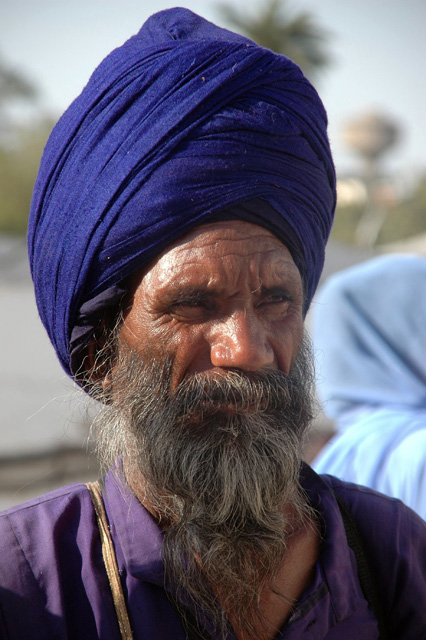
The English words turban and tulip are doublets. Doublets (or etymological twins) are words in one given language that go back to the same etymological source but differ in form and meaning—cf. also lobster – locust, fawn – fetus, pastiche – pastis and clock – cloak. The word turban is from tul(i)pant, […]
Read More word histories