‘Left-Bankish’: meaning and origin
USA, 1936—characteristic or reminiscent of the Left Bank (‘Rive Gauche’ in French), the part of Paris south of the River Seine, noted for its intellectual and artistic life
Read More
“ad fontes!”
USA, 1936—characteristic or reminiscent of the Left Bank (‘Rive Gauche’ in French), the part of Paris south of the River Seine, noted for its intellectual and artistic life
Read Morethe killing of a woman or girl by a man—French ‘femmicide’: 1839; 1854 in the sense of a man who has killed a woman—English ‘femicide’: 1801; 1827 in the sense of a man who has killed a woman
Read More
France—1883: Viennese-style baked goods—1887: a bakery that makes and sells this type of baked goods—those baked goods were introduced into France in 1839 by the Austrian entrepreneur August Zang
Read More1923: a small garment worn to cover the genitals—hence (1926): anything intended to conceal something regarded as shameful or indecent—from French ‘cache-sexe’, from ‘cacher’ (to hide) and ‘sexe’ (sex, genitals)
Read More1992—the culture shock experienced by an individual (typically a Japanese) who, when visiting, or living in, Paris, realises that this city does not fulfil their idealised expectations—apparently a loan translation from Japanese ‘Pari shōkōgun’, coined by Japanese psychiatrist Hiroaki Ōta
Read More
‘impressionist’ (1875) from French ‘impressionniste’ (1874)—a painter who was an exponent of ‘impressionism’ (1877), a movement in painting developed in France in the last third of the 19th century—French ‘impressionnisme’ may have been coined in 1858
Read More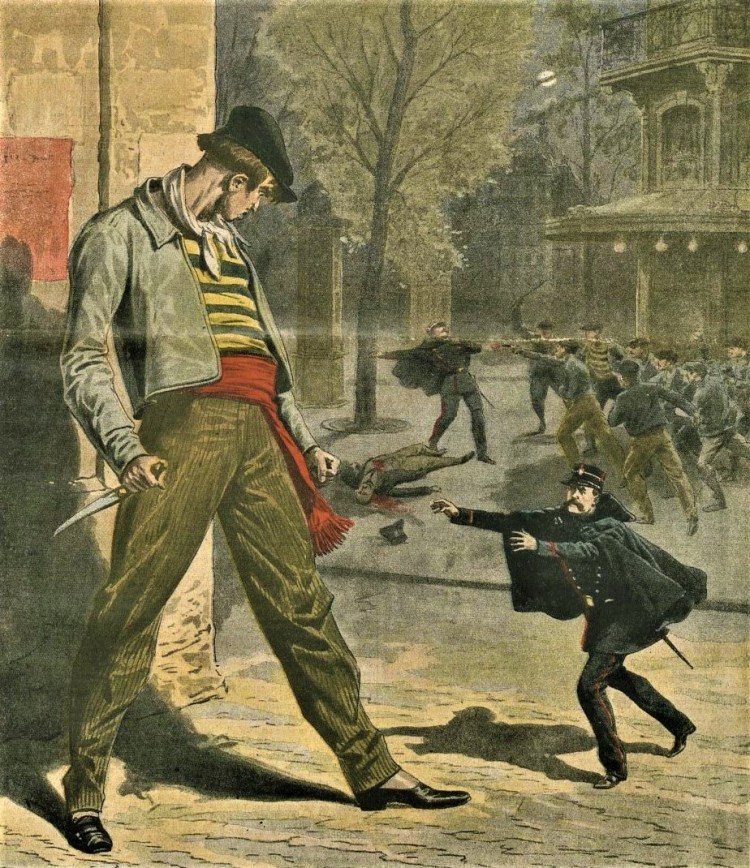
circa 1900: by association with the reputed ferocity of the North-American Indian people, ‘Apache’ came to designate a violent street ruffian in Paris
Read More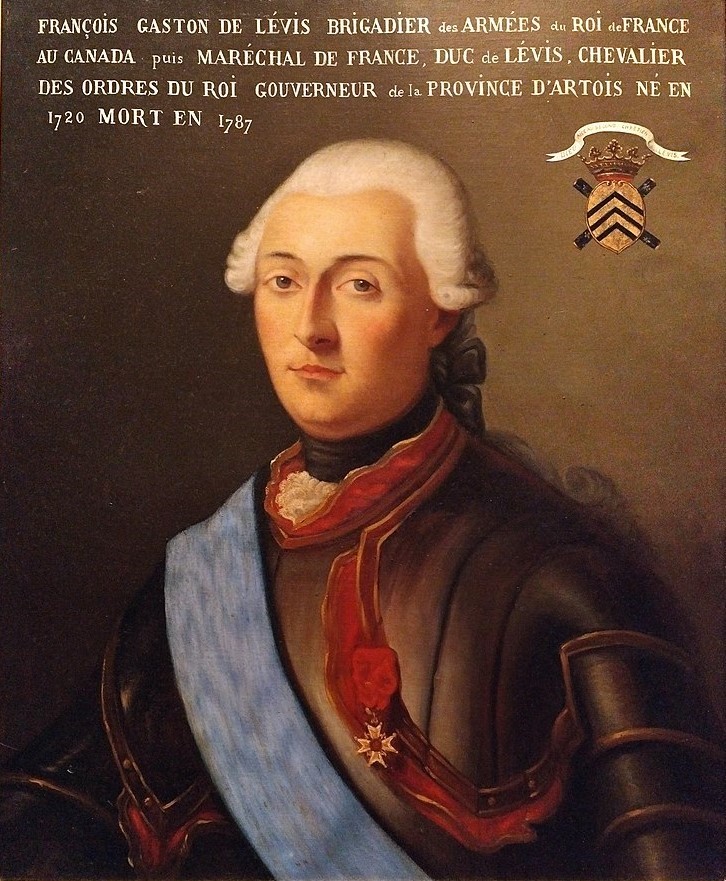
originally the sky-blue ribbon worn by the Knights-grand-cross of the French order of the Holy Ghost—applied by extension to other first-class distinctions
Read Morenot originally coined because of the connotation of explosiveness, but because of the connotations of pleasure, beauty and tininess
Read More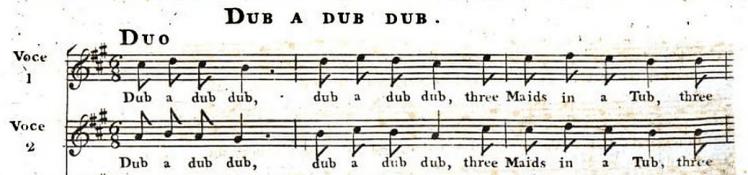
UK, 1848—people of various professions; people of all kinds—alludes to ‘Rub a dub dub’, a nursery rhyme of the late 18th century
Read More word histories