the changing identities of the butterfly
Since antiquity, European languages have variously named the butterfly, in particular by using sound reduplications expressive of its fluttering.
Read More
“ad fontes!”
Since antiquity, European languages have variously named the butterfly, in particular by using sound reduplications expressive of its fluttering.
Read More
originally ‘pampered child’, later ‘town-dweller regarded as affected or puny’—origin uncertain—probably not the same word as ‘cokeney’, literally ‘cock’s egg’
Read More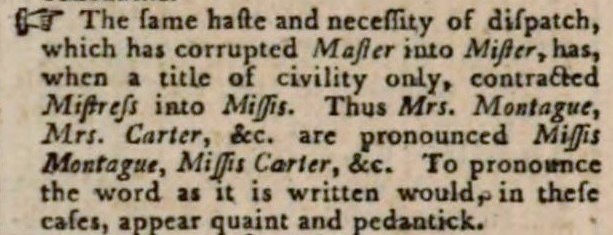
‘Mr’-‘Mrs’: originally abbreviations of ‘master’-‘mistress’—‘mister’-‘missus’: renderings of the altered pronunciations of ‘master’-‘mistress’ in ‘Mr’-‘Mrs’
Read More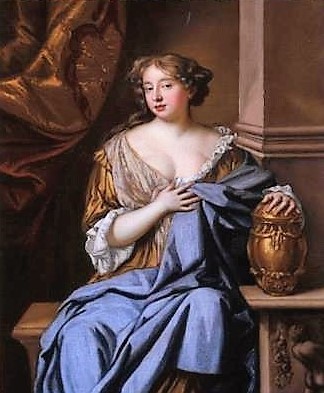
‘miss’: unmarried woman or girl; 17th cent., short for ‘mistress’—‘Ms’: title free of reference to marital status; 20th cent., blend of ‘Mrs’ and ‘Miss’
Read More‘every tiny detail’—from Matthew, 5:18—‘jot’, from ‘iōta’, the smallest letter of the Greek alphabet—‘tittle’, a small mark used in writing or printing
Read More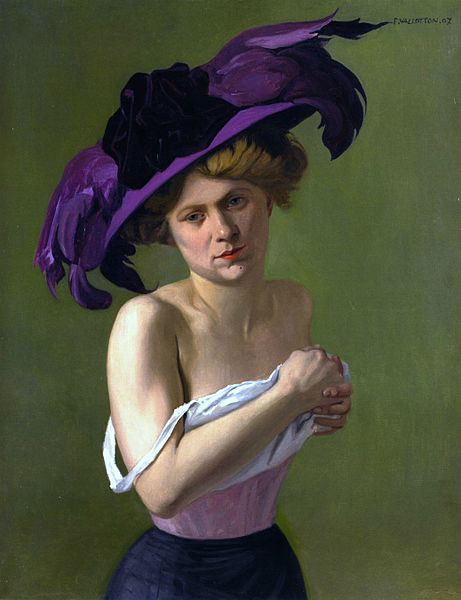
coalesced forms of the obsolete phrasal verbs ‘to do on’ and ‘to do off’, meaning respectively ‘to put on’ and ‘to take off’ (an item of clothing)
Read More
phonetic reduction of ‘Christ’s cross’; first element phonetically reduced as in ‘Christmas’; hence ‘criss-cross’ treated as a reduplication of ‘cross’
Read More
The spelling ‘ache’ (erroneously derived from Greek ‘ákhos’) instead of ‘ake’ is largely due to Samuel Johnson in A Dictionary of the English Language (1755).
Read More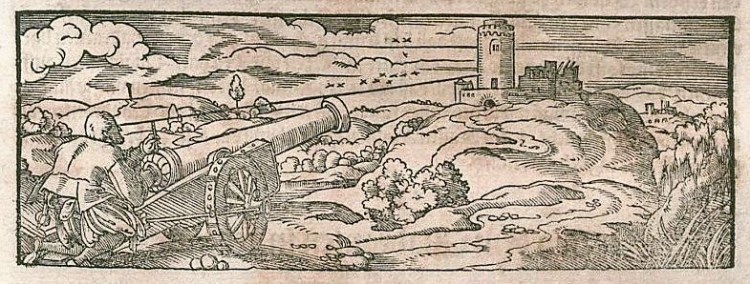
1571—probably from obsolete French ‘de pointe en blanc’, used of firing into empty space for the purpose of seeing how far a piece of artillery would carry
Read Morefrom ‘to lose a sheep for a halfpennyworth of tar’—refers to the use of tar to protect sores and wounds on sheep from flies (‘sheep’ was pronounced ‘ship’)
Read More word histories