soldiers regarded simply as material to be expended in war—‘cannon fodder’ (1847), said to have been coined after German ‘Kanonenfutter’—French ‘chair à canon’ (1814), first used in reference to Napoléon Bonaparte
USA, 2019, derogatory—people (regarded as elitist and pretentious) who are alert to racial or social discrimination and injustice—a blend of the adjective ‘woke’ and of the noun ‘literati’
gardening or garden design in an affected, fussily decorative or over-elaborate style; archaic and affected language—UK, 1931—alludes to “A garden is a lovesome thing, God wot!”, in My Garden (1893), by the Manx poet T. E. Brown
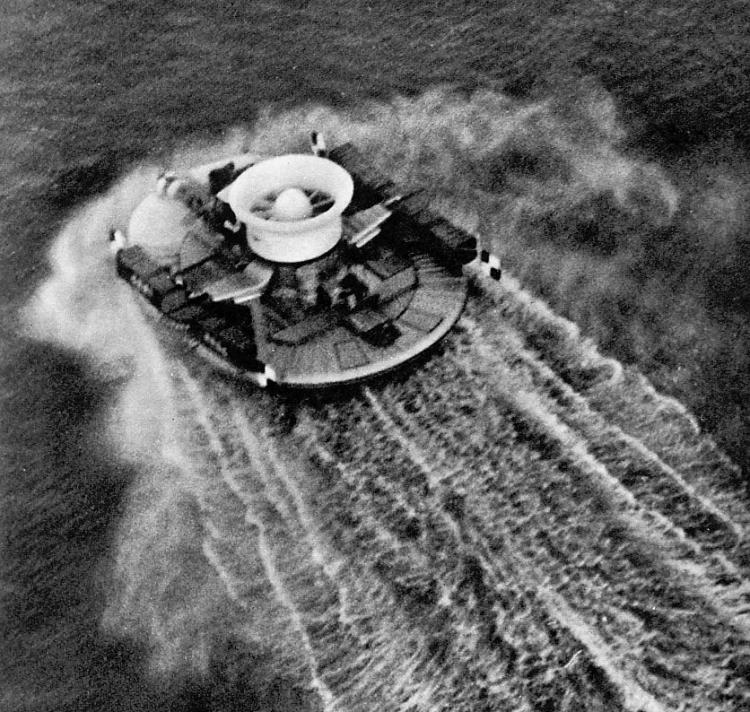
a vehicle which travels on a cushion of air—UK, 1958, apparently coined by engineer Christopher Sydney Cockerell—also, USA, 1958, in the sense of “a flying car”
UK, 1895—the use of an imaginary person as a fictitious excuse for visiting a place or avoiding obligations—from ‘Bunbury’, the name of an imaginary character in The Importance of being Earnest (first performed in 1895), by Oscar Wilde
used as an interjection to assert truthfulness, honour or sincerity—USA, 1851, as ‘honest Indian’—perhaps alludes to the fact that, in their past interactions with Europeans, Native Americans had to give assurance of their good faith
to ensure that politicians, large business organisations, etc., behave fairly and openly, and are accountable for their actions—Australia, 1980—coined by Don Chipp, Leader of the Australian Democrats, with reference to the major political parties
UK, 1804—literal meaning: a robbery committed during daylight hours, often characterised as particularly conspicuous or risky—figurative meaning: blatant and unfair overcharging or swindling