a linguistic investigation into ‘paparazzi’

The noun ‘paparazzo’ is from the name of a photographer in La Dolce Vita (1960) by Federico Fellini. The choice of this name has been variously explained.
Read More
“ad fontes!”
The noun ‘paparazzo’ is from the name of a photographer in La Dolce Vita (1960) by Federico Fellini. The choice of this name has been variously explained.
Read MoreThe phrase perhaps originated in laws or customs regulating the gathering of firewood by tenants; it was perhaps a legal formula in which ‘crook’ merely reinforced ‘hook’.
Read More
‘Gorgeous Wrecks’ (UK, WWI): members of the Volunteer Training Corps, from the letters ‘G.R.’ (‘Government Recognition’) interpreted as meaning ‘Georgius Rex’
Read More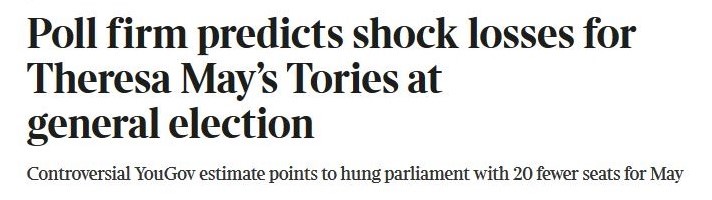
In ‘hung parliament’, ‘hung’ means ‘in which no political party has an overall majority’ – cf. the US expression ‘hung jury’, where ‘hung’ means ‘unable to decide’.
Read More
The word ‘conundrum’, attested in 1596, originally meant ‘whimsy’, ‘oddity’. It perhaps originated as a parody of some Latin scholastic phrase.
Read More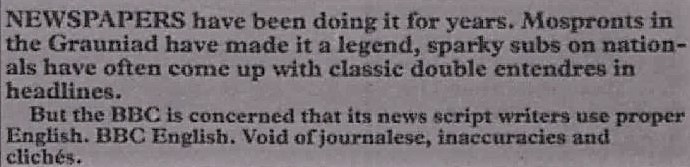
‘Grauniad’, the nickname for the Guardian, was reportedly given to this British newspaper by the magazine Private Eye because of its typesetting errors.
Read More
The current sense of ‘jingo’ originated in a 1877 patriotic song adopted by the bellicose factions within the Conservative Party during the Russo-Turkish war.
Read More
padoodle (USA): exclamation shouted by a person who spots a car with only one working headlight, which entitles this person to kiss or hit someone else
Read MoreThe expression ‘esprit d’escalier’, ‘wit of the staircase’, originally referred to a witty remark coming to mind on the stairs leading away from a gathering.
Read More
The original form of this phrase was ‘pigs fly with their tails forward’. Also: the French, Italian, Portuguese and Spanish equivalent expressions.
Read More
