origin of ‘the gnomes of Zurich’ (international bankers and financiers)
British origin—popularised by Harold Wilson in 1956, but first recorded in The Observer (London) of 30 October 1955
Read More
“ad fontes!”
British origin—popularised by Harold Wilson in 1956, but first recorded in The Observer (London) of 30 October 1955
Read More
to be sensible and intelligent—1784 in a US publication, but attributed to “a gentleman from abroad”—‘blue’, meaningless fanciful intensive, sometimes before ‘beans’
Read MoreUK, 1930—‘as the bishop said to the actress’, ‘as the actress said to the bishop’: mischievously implies a sexual innuendo or ambiguity in a preceding innocent remark
Read MoreUK, 1789—aided by alliteration, arose from a long-established figurative use of ‘brass’, sometimes in association with ‘bold’
Read More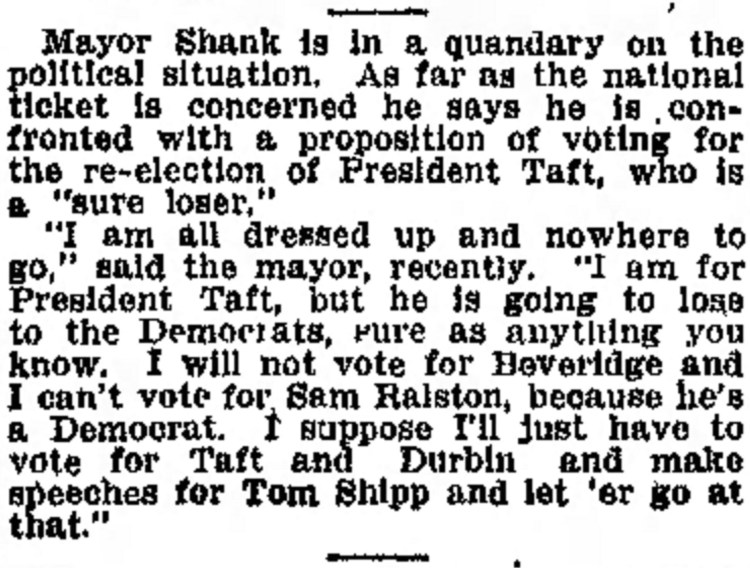
USA, 1910—originated as a line in the musical comedy The Girl of My Dreams—allegedly coined by music-hall artist Nita Allen
Read MoreUK, 1920—to commit a blunder; to make a tactless or indiscreet remark—meaning obscure in some early uses
Read MoreBritish Army slang, 1945—the image is of something dropping with a clang, i.e. with a loud resonant ringing sound.
Read More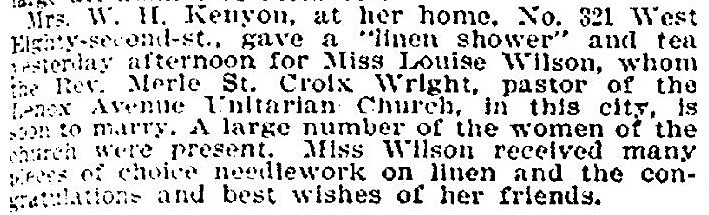
USA, late 19th century—party held by female guests to present gifts of a particular kind to a bride-to-be
Read MoreUK, 1869—inaccurate translation of Latin ‘panem and circenses’ (literally ‘bread and circus games’) as used by the Roman poet Juvenal
Read Moreletter of thanks for hospitality: ‘bread-and-butter letter’ (USA, late 19th century) – ‘Collins’ (UK, early 20th century, from the name of William Collins in Jane Austen’s Pride and Prejudice)
Read More
