‘the whole boodle’: meaning and origin
USA, 1814—the whole group or set of people, animals or things—corresponds to modern Dutch ‘de hele boel’ (earlier ‘de hele boedel’)—‘boodle’: from Dutch ‘boedel’, estate, property, a large quantity
Read More
“ad fontes!”
USA, 1814—the whole group or set of people, animals or things—corresponds to modern Dutch ‘de hele boel’ (earlier ‘de hele boedel’)—‘boodle’: from Dutch ‘boedel’, estate, property, a large quantity
Read MoreUK, 1854—to belong to, or to sympathise with, two opposite groups, factions, etc.—probably a loan translation from French ‘avoir un pied dans les deux camps’ (1843)
Read More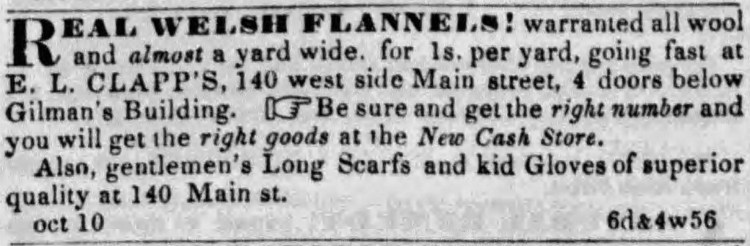
USA, 1865—of excellent quality; thoroughly sound or honourable—originally applied to cloth
Read MoreUSA, 1853—in a panic-stricken and unthinking manner—alludes to the phenomenon whereby a chicken can move about for a short time after decapitation, due to reflex activity of the nervous system
Read More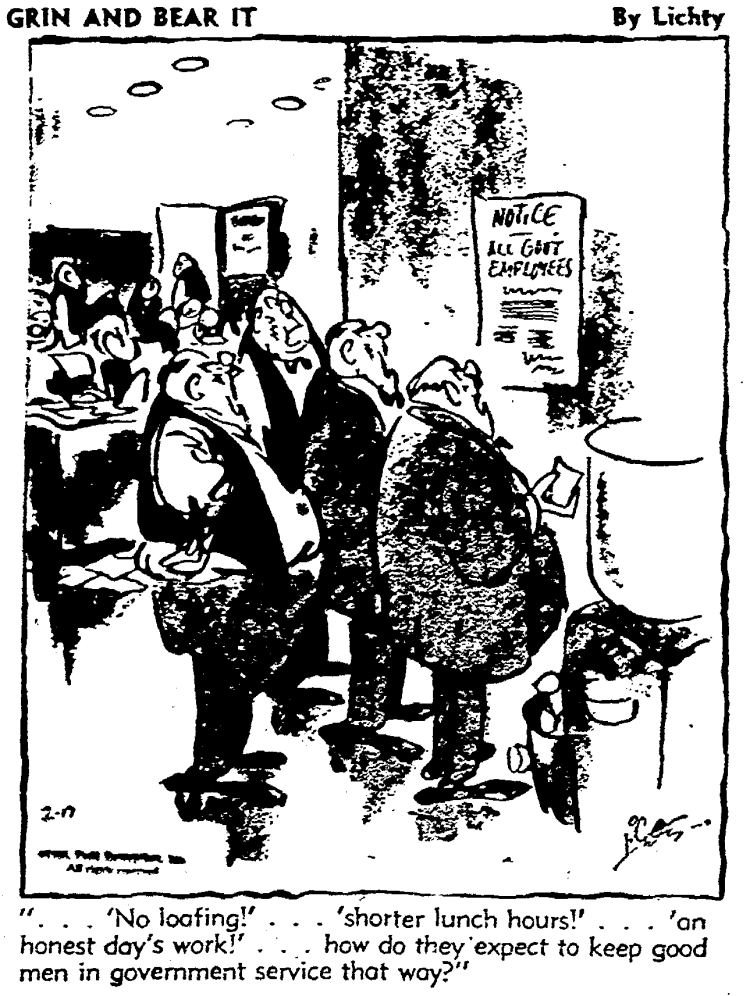
USA, 1950—a midday meal, with several martinis taken as aperitifs, enjoyed by businessmen, and/or politicians, and/or federal-government employees—especially in ‘two-martini lunch’ and ‘three-martini lunch’
Read MoreUK, 1710—in a situation in which any action one takes will have adverse consequences—‘cleft’, past participle of the verb ‘cleave’, means ‘split in two to a certain depth’—the image is of one being squeezed between the stick’s prongs
Read MoreUK, 1890—pregnant—refers to “the bulging puddinglike appearance of a pregnant woman”
Read More
UK, 1955—‘cobblers’, short for ‘cobbler’s (or cobblers’) awls’, is rhyming slang for ‘balls’, i.e., ‘testicles’, and figuratively ‘nonsense’, ‘rubbish’
Read MoreUSA, 1871—The phrase ‘a whale of a (good) time’ denotes a hugely enjoyable time, and alludes to the enormousness of whales.
Read More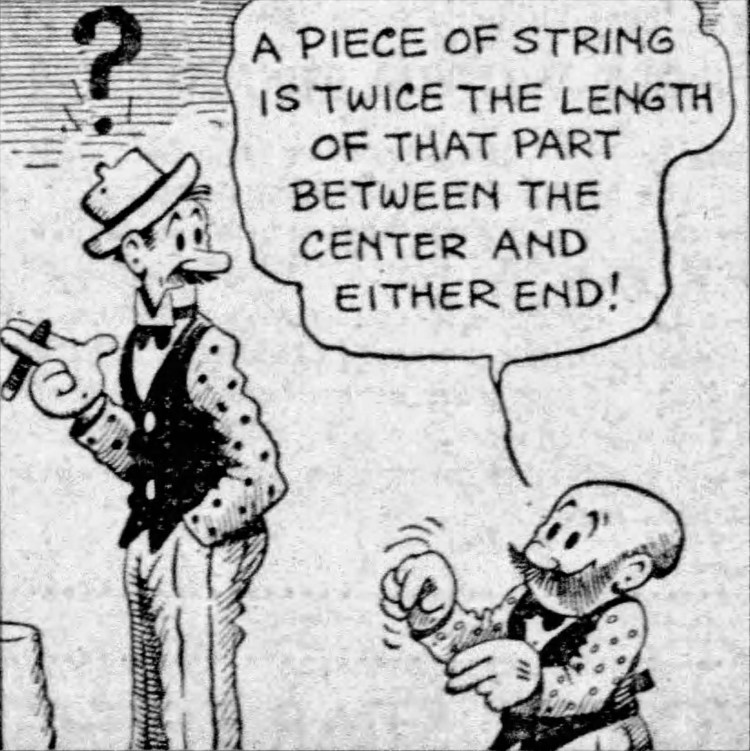
USA, 1885—a response to a question that cannot be answered precisely, although a precise answer seems to be expected—various jocular replies have been made up, such as ‘twice the length from the middle to the end
Read More
