meanings and origin of the British-English phrase ‘to go west’

to die; to be lost or destroyed; to meet with disaster—1914, Army slang—probably from the notion of the setting sun symbolising disappearance or finality
Read More
“ad fontes!”
to die; to be lost or destroyed; to meet with disaster—1914, Army slang—probably from the notion of the setting sun symbolising disappearance or finality
Read More
USA, 1942, Army slang—popularised in the Army weekly ‘Yank’ by ‘The Sad Sack’, a cartoon strip by George Baker, depicting the misfortunes of an inept private
Read More
the time of one’s greatest success—from the speech made on 18 June 1940 by P.M. Winston Churchill after the fall of France and before the Battle of Britain
Read More
‘cheese-eating surrender monkeys’: the French people (USA, 1995) from The Simpsons—‘tea-drinking surrender monkeys’: the British people (Ireland, 2004)
Read More
UK, 1980s—the very best—perhaps from ‘it sticks out like a dog’s ballocks’, denoting something obvious, hence someone or something that sticks out from the rest
Read MoreUK, 1988—used in similes to denote something that protrudes—originated in British military slang
Read More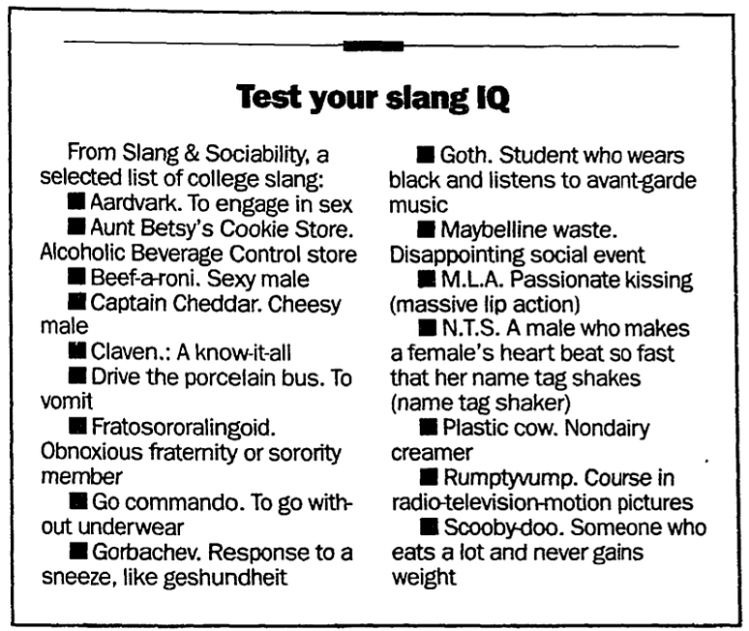
USA, 1974—to wear no underpants—originated in university slang—perhaps because commandos wear no underpants in order to prevent crotch rot and rashes
Read MoreUK, 1915—to be lavish in one’s celebrations or spending—Army and Navy slang: to buy a round of drinks—’a boat’ might be metaphorical for ‘a glass’ (i.e., ‘a drink’)
Read More
1940 as ‘spirit of Dunkirk’—determination to endure hardship—refers to the evacuation of the British Expeditionary Force from Dunkirk in May/June 1940
Read More
UK, 1845: made as a last desperate attempt—from the 18th-century phrase ‘to die in the last ditch’, ‘ditch’ denoting a defensive entrenchment
Read More word histories