‘all over the place like a mad woman’s [+ noun]’
Australia, 1932—a humorous extension of ‘all over the place’, which means: (literally) everywhere, in every direction, widely scattered; (figuratively) in a confused or disorganised state
Read More
“ad fontes!”
Australia, 1932—a humorous extension of ‘all over the place’, which means: (literally) everywhere, in every direction, widely scattered; (figuratively) in a confused or disorganised state
Read Moreto live in conditions of extreme want—Australia, 1832; Ireland and Britain, 1834; USA, 1846—in early use, the phrase frequently occurs in relation to Ireland and to the armed forces
Read More‘parting shot’ (1817); ‘Parthian shot’ (1822): a sharp, telling remark, act, gesture, etc., made in departing—‘parting shot’: literally the final shot fired at the moment of departure—‘Parthian shot’: refers to the Parthian horsemen’s habit of shooting arrows backwards while in real or pretended retreat
Read More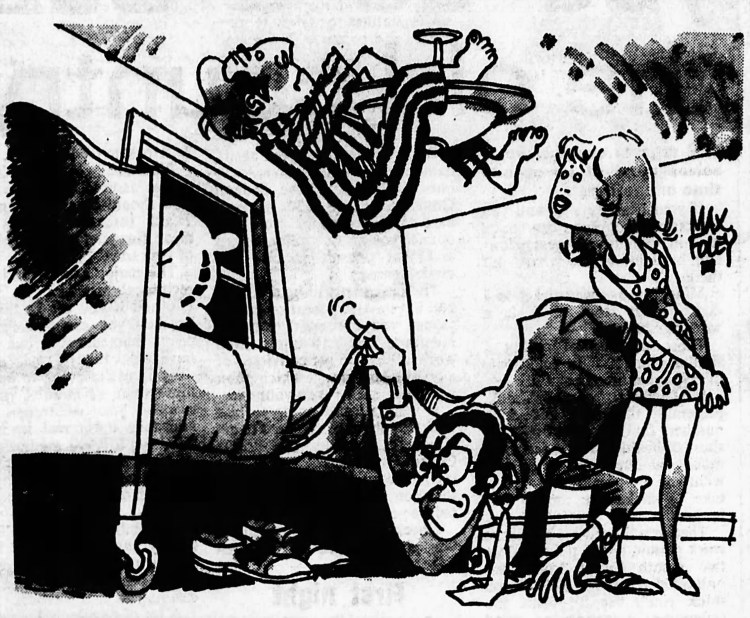
has been used to denote evidence of a de facto relationship affecting a woman’s eligibility for Social-Security benefits—refers to past practices of field officers inspecting homes and bedrooms
Read More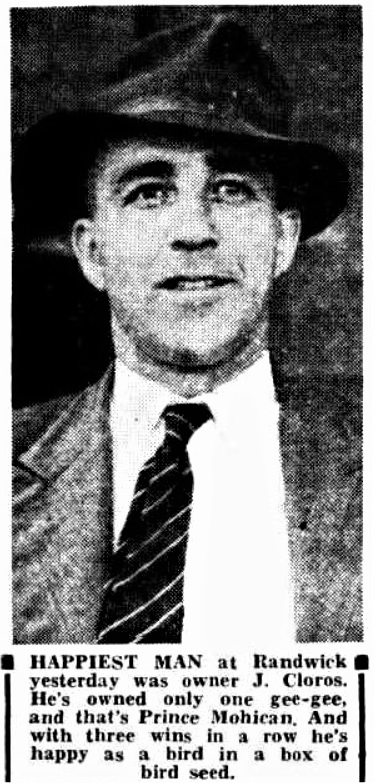
Australia and New Zealand, 1939—to be in good spirits, ‘chirpy’—the image is of a boxful of chirping birds (cf. the extended form ‘happy as a bird in a box of birdseed’)—New-Zealand variant ‘to be a box of fluffy ducks’, also ‘to be a box of fluffies’
Read MoreUSA, 1856—to ask someone young, ill-equipped or inexperienced to do difficult or complicated work—this phrase usually occurs in negative contexts, especially as ‘never send a boy to do a man’s work’
Read Moreused of a buck-toothed person—USA, 1933, as ‘can eat an apple through a picket fence’—USA, 1950, as ‘can eat an apple through a tennis racquet’—UK, 1979, as ‘can eat an apple through a letter box’
Read MoreUK, 1806—very rapidly and thoroughly—refers to a dose of aperient salts—has come to be also used in the extended form ‘like a dose of salts through + noun’
Read More1733—denotes imaginary or non-existent people—refers to John Falstaff’s vaunting tale in the First Part of King Henry the Fourth, by William Shakespeare, in which two men in buckram suits gradually become eleven
Read MoreUK, 1805—personifies France or the French people, or designates a typical Frenchman—composed of ‘Johnny’, a pet form of ‘John’ used, with modifying word, to designate a person of the type, group, etc., specified, and of French ‘crapaud’ (a toad)—coined by British sailors during the Napoleonic Wars
Read More
