Why ‘island’ and ‘aisle’ ought to be spelt ‘iland’ and ‘aile’.

The letter ‘s’ in both the nouns currently spelt ‘island’ and ‘aisle’ is due to folk-etymological association of those words with the unrelated noun ‘isle’.
Read More
“ad fontes!”
The letter ‘s’ in both the nouns currently spelt ‘island’ and ‘aisle’ is due to folk-etymological association of those words with the unrelated noun ‘isle’.
Read More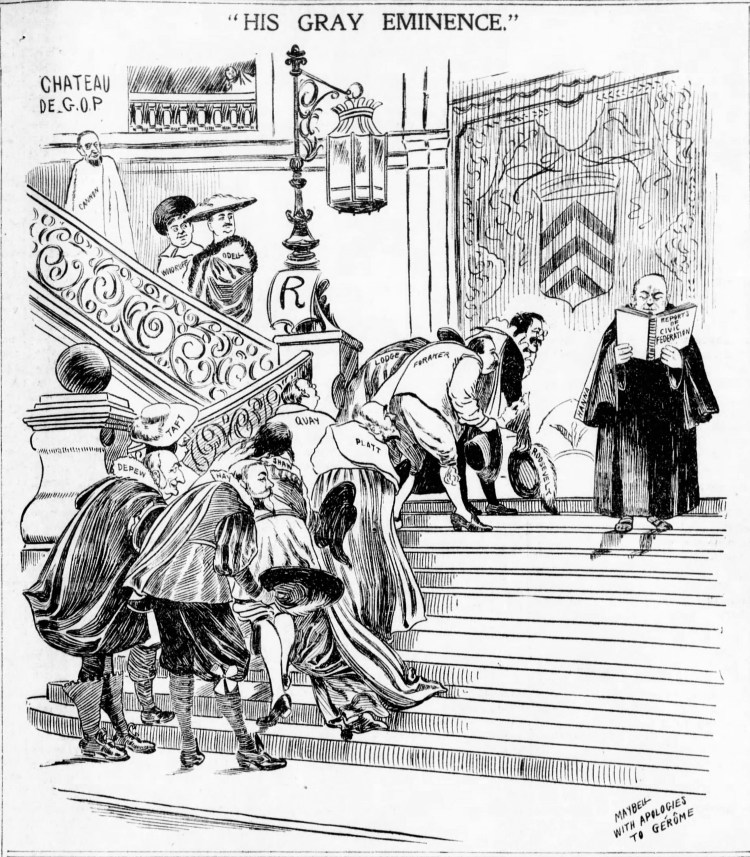
UK, 1877—a person who wields unofficial power and influence—originally applied to Père Joseph (François Leclerc du Tremblay), French friar, confidential agent of Cardinal Richelieu
Read More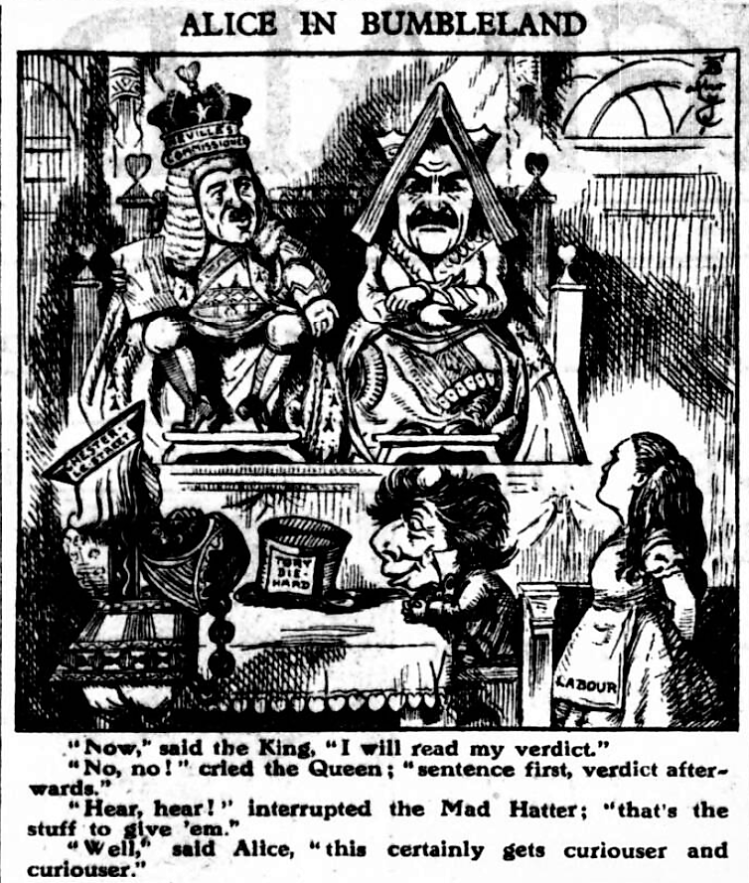
UK, 1869—used to denounce arbitrariness—alludes to a demand by the Queen of Hearts during the trial of the Knave of Hearts in Alice’s Adventures in Wonderland (1865)
Read More
Decided by the Académie française, the erroneous spelling ‘oignon’ (= ‘onion’) has become a symbol of prejudiced people, ignorant of the history of their own language.
Read More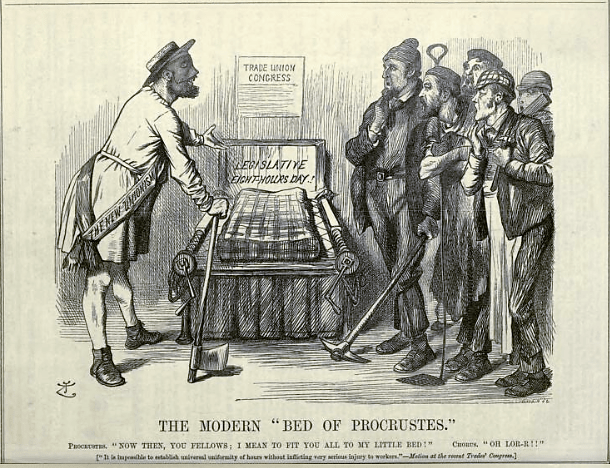
a means of enforcing conformity—Greek mythology: Procrustes was a robber who made his victims fit a bed by either stretching them longer or cutting them shorter
Read More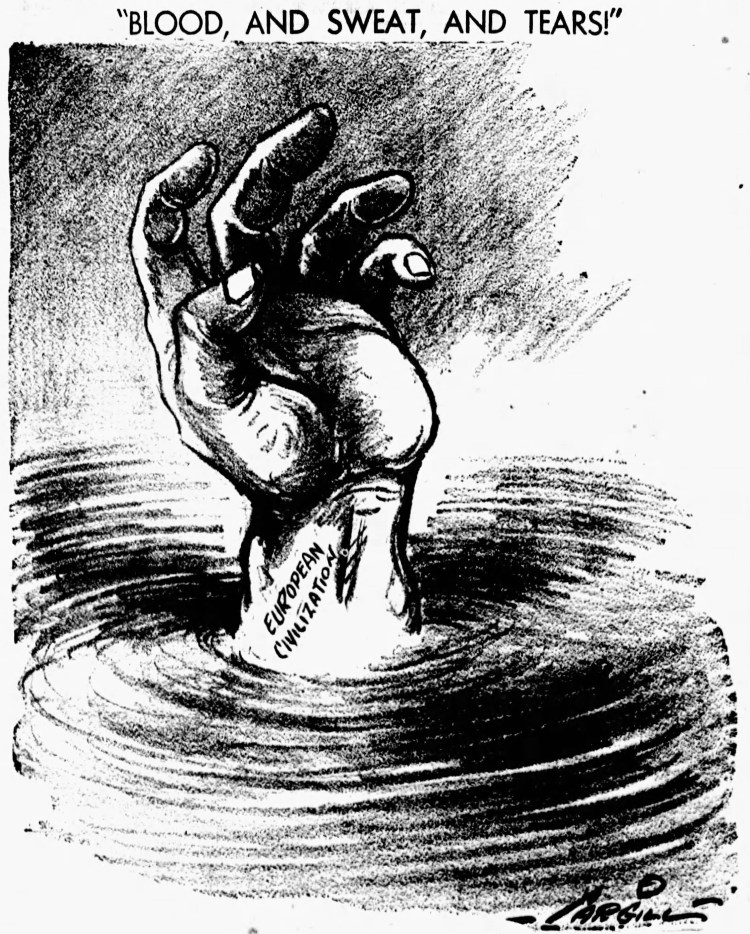
current use seems to allude to a speech by Winston Churchill in May 1940—but the metaphor goes back to the early 17th century
Read More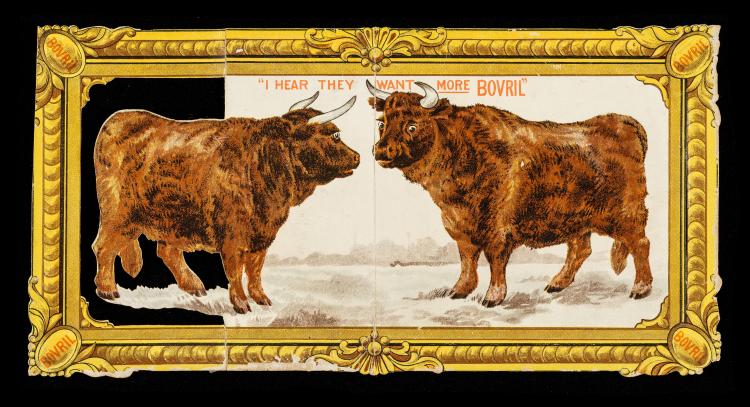
from an advertisement for the concentrated beef extract Bovril, showing a bullock lamenting over a jar of the product
Read Moreconfused activity and uproar—alludes to the frequent collocation of ‘alarum’ and ‘excursion’ in stage directions in Shakespearean drama
Read MoreWhy is the element one in words such as alone and only not pronounced like the numeral one? Both the indefinite article an (a before consonant) and the numeral one are from Old English ān—which has survived in Scotland as ane, used both as indefinite article and as numeral. This Old-English word ān meant a/an, one, […]
Read More‘robe’ originally denoted something that has been robbed—French ‘voler’ (‘to fly’) has come to mean ‘to steal’ via falconry
Read More word histories