‘(just) what the doctor ordered’ (exactly what is needed)
‘(just) what the doctor ordered’: very beneficial or desirable under the circumstances—origin: USA, second half of the 19th century
Read More
“ad fontes!”
‘(just) what the doctor ordered’: very beneficial or desirable under the circumstances—origin: USA, second half of the 19th century
Read Moreultimately based on the fable of the mice, or rats, who proposed to hang a bell round the cat’s neck, so as to be warned of its approach
Read More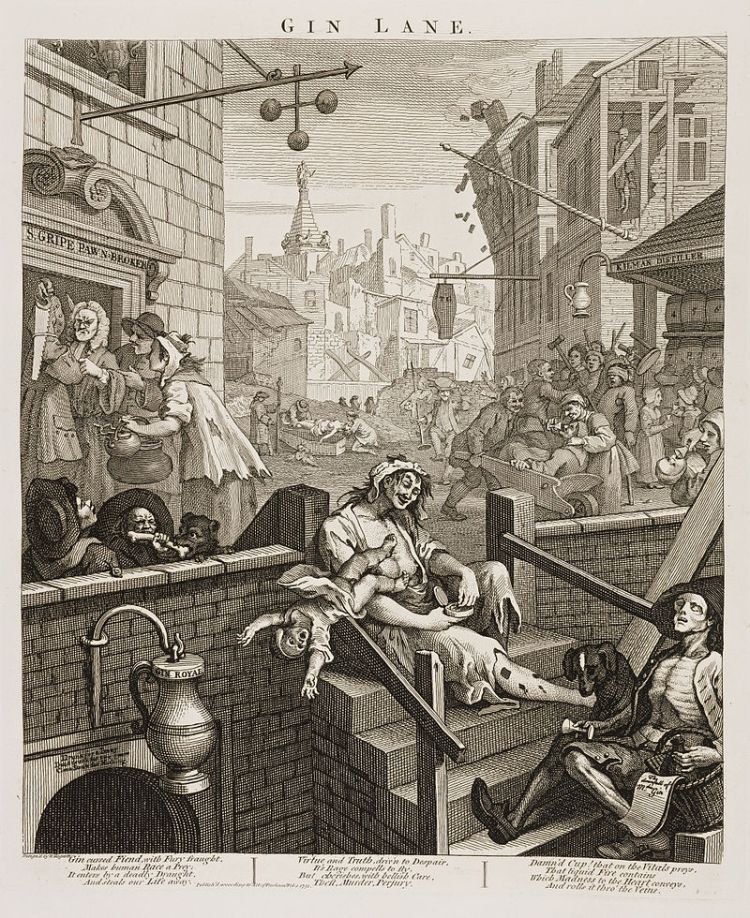
probably refers to pregnancy as an awkward condition, the image being apparently of an uncomfortable position at the top of a pole
Read MoreThe adjective ‘living’ is an intensifier, and ‘daylights’ is an 18th-century slang term for ‘eyes’ chiefly used in contexts of physical violence or threats.
Read More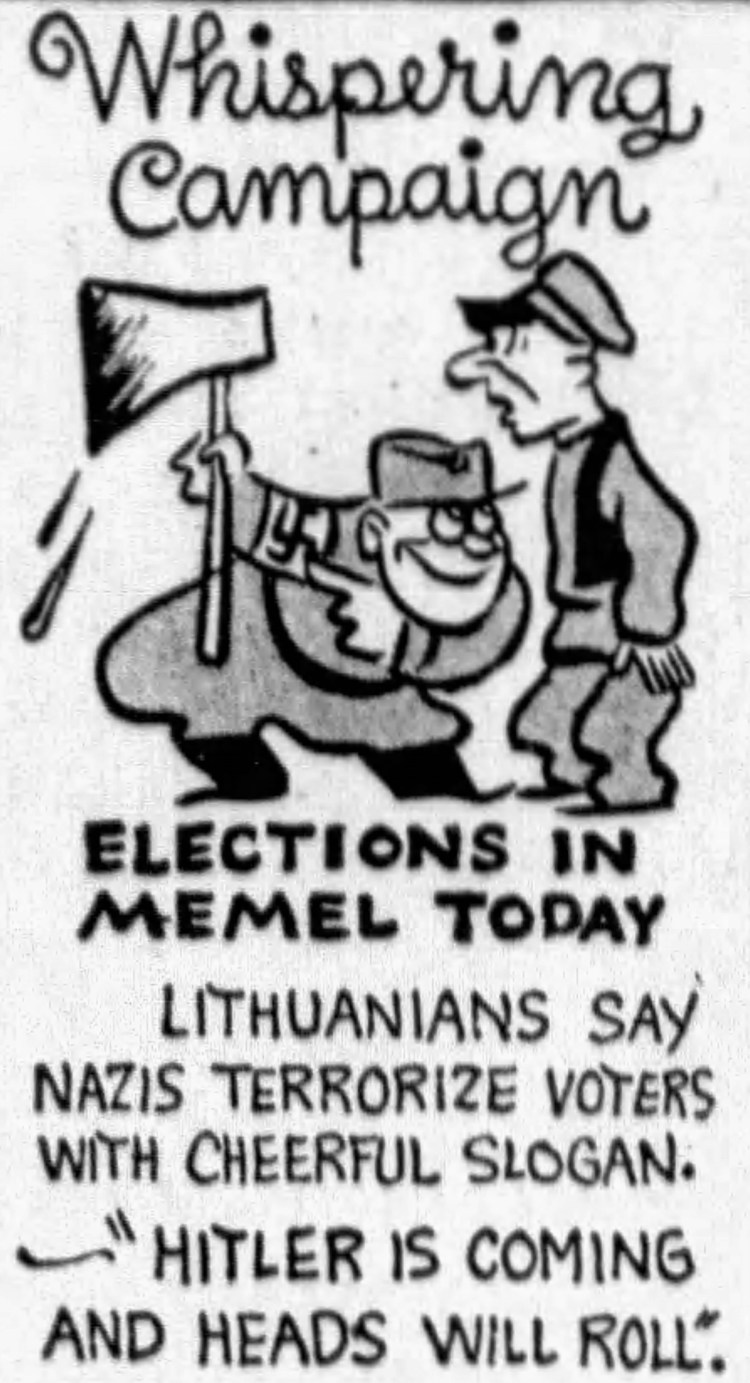
based on the notion of execution by beheading—popularised by a literal threat of executions made on 25th September 1930 by Adolf Hitler
Read MoreUSA—‘hatchet man’ (1874): a hired Chinese assassin using a hatchet or cleaver—‘hatchet work’ (1895): a murder carried out by a hatchet man
Read MoreUSA, 1891—a passenger in the rear seat of a car who gives the driver unwanted advice; hence, figuratively, a person who is eager to advise without responsibility
Read Moremeaning: everything is or will turn out all right—Scotland, 1891—‘bob’ probably related to the adjectives ‘bob’ and ‘bobbish’, meaning ‘well, in good health and spirits’
Read Moremeaning: everybody imaginable—UK, 1898 in extended form, 1899 in current form—alludes to the names listed in the Devon ballad ‘Widdecombe Fair’
Read More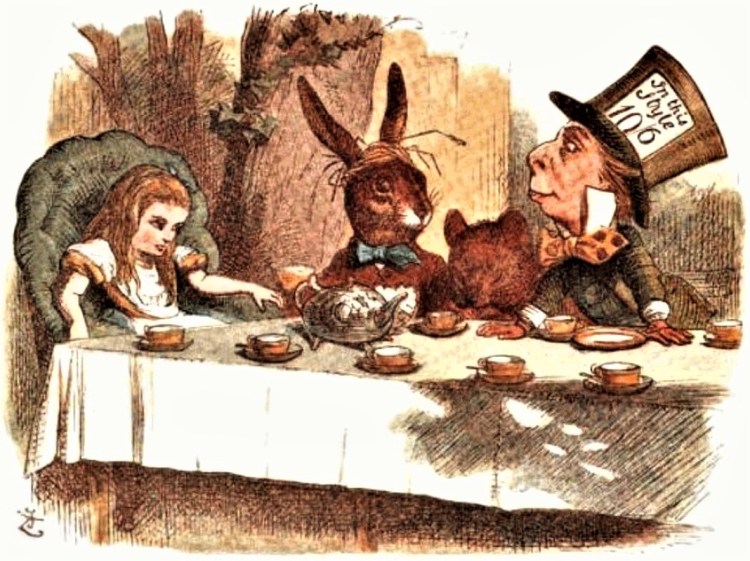
to be insane—late 19th century—originated in the fact that in 19th-century productions of Shakespeare’s ‘Hamlet’, Ophelia appeared with straws in her hair in her ‘mad scene’
Read More word histories