Australia, 1847—an odd-job man—‘wood-and-water’ alludes to the phrase ‘hewer of wood and drawer of water’, designating a labourer of the lowest kind—‘joey’ is perhaps the noun denoting a young kangaroo, and by extension anything young or small
In British English, the noun ‘porky’ (also ‘porkie’) is short for ‘porky pie’ (also ‘porkie pie’), which is an alteration of ‘pork pie’, rhyming slang for the noun ‘lie’.
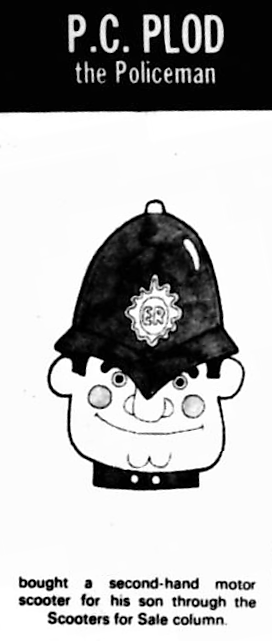
UK, 1963—‘Mr. Plod’, also ‘P.C. Plod’, ‘Plod’: a humorous or mildly derogatory appellation for a policeman or for the police—alludes to ‘Mr. Plod’, the name of the policeman in stories by the English author of children’s fiction Enid Blyton
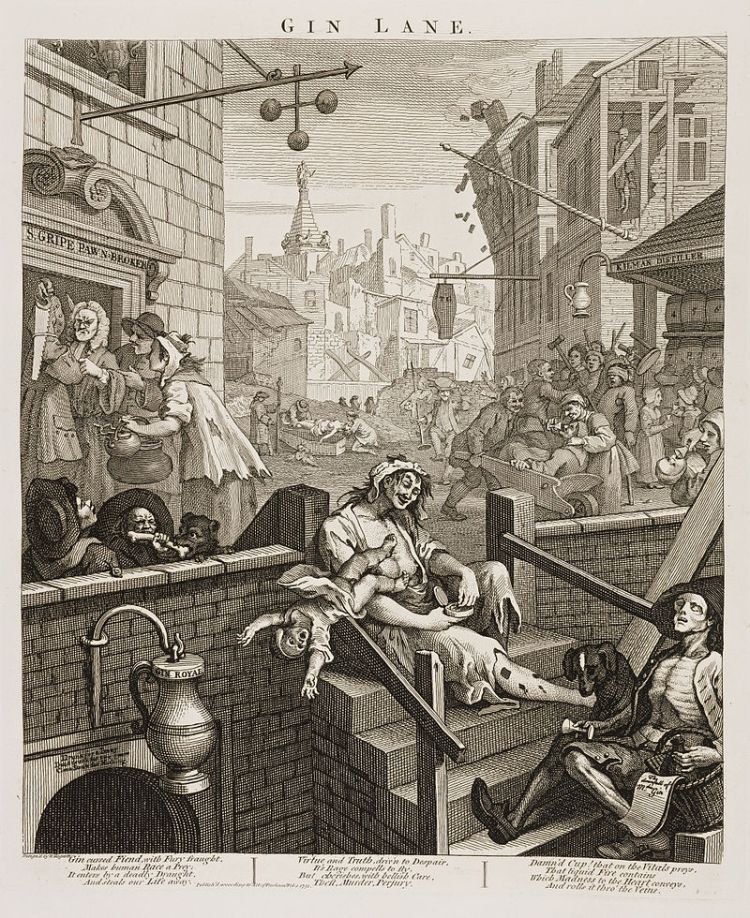
UK, 1904—denotes gin (i.e., a clear alcoholic spirit distilled from grain or malt and flavoured with juniper berries)—‘mother’s ruin’ alludes to the evils caused by the consumption of gin
UK, 1969—a young man of a working-class subculture, characterised by close-cropped hair, heavy boots and functional clothing, and behaving in an aggressive or violent way—‘bovver’ represents a nonstandard pronunciation of ‘bother’
to do or say something which causes trouble, controversy or upset—first occurs (1841 & 1843, Yorkshire, northern England) in quotation marks, which indicates that it was already in common usage
meaning: ‘what is appropriate in one case is also appropriate in the other case in question’—earliest occurrence in A Collection of English Proverbs (1670), by John Ray
‘to sleep in Mother Greenfield’s’ (tramp slang): to sleep out in the open fields—‘to worship under Dr. Greenfield’: to go for a walk in the countryside rather than to attend a religious service



 word histories