‘squeeze pidgin’: meaning and origin
China, 1849—extortion—from ‘squeeze’, denoting a forced exaction or impost made by a Chinese official or servant, and ‘pidgin’ in its original sense of business
Read More
“ad fontes!”
China, 1849—extortion—from ‘squeeze’, denoting a forced exaction or impost made by a Chinese official or servant, and ‘pidgin’ in its original sense of business
Read More
UK, 1914—snobbish or supercilious—refers perhaps to ‘toff’, denoting a fashionable upper-class person—the image is perhaps of someone who, considering themself superior, keeps their nose high in contempt for the lower classes—cf. the form ‘toffy-nosed’ (1919)
Read MoreAustralia, 1847—an odd-job man—‘wood-and-water’ alludes to the phrase ‘hewer of wood and drawer of water’, designating a labourer of the lowest kind—‘joey’ is perhaps the noun denoting a young kangaroo, and by extension anything young or small
Read MoreIn British English, the noun ‘porky’ (also ‘porkie’) is short for ‘porky pie’ (also ‘porkie pie’), which is an alteration of ‘pork pie’, rhyming slang for the noun ‘lie’.
Read More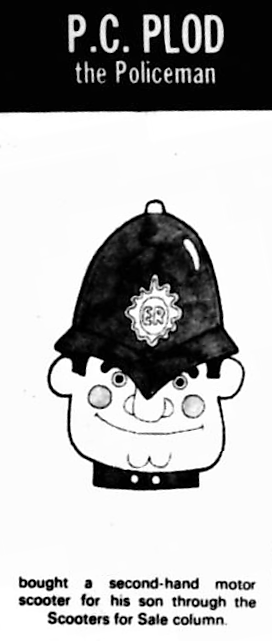
UK, 1963—‘Mr. Plod’, also ‘P.C. Plod’, ‘Plod’: a humorous or mildly derogatory appellation for a policeman or for the police—alludes to ‘Mr. Plod’, the name of the policeman in stories by the English author of children’s fiction Enid Blyton
Read More
1943—‘brothel-creepers’ (also ‘brothel-creeper shoes’ and ‘creepers’): denotes soft-soled shoes—refers to the stealthiness that those shoes permit
Read More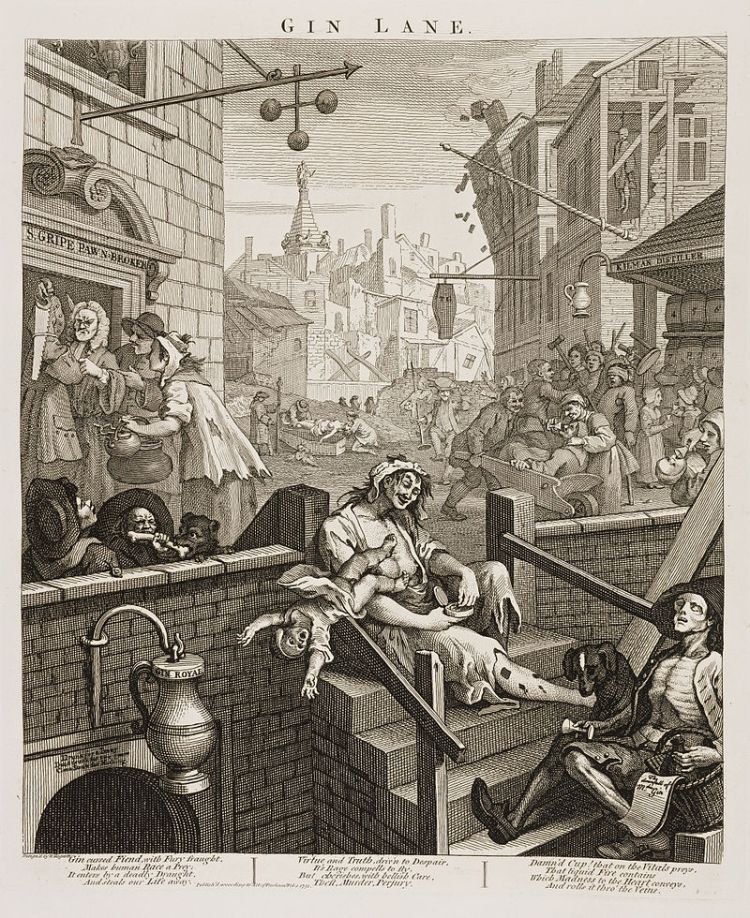
UK, 1904—denotes gin (i.e., a clear alcoholic spirit distilled from grain or malt and flavoured with juniper berries)—‘mother’s ruin’ alludes to the evils caused by the consumption of gin
Read More
UK, 1969—a young man of a working-class subculture, characterised by close-cropped hair, heavy boots and functional clothing, and behaving in an aggressive or violent way—‘bovver’ represents a nonstandard pronunciation of ‘bother’
Read MoreUK, 1872—meaning: ‘it would be good if something (stated or implied) were true or likely, but it is not’
Read Moreto do or say something which causes trouble, controversy or upset—first occurs (1841 & 1843, Yorkshire, northern England) in quotation marks, which indicates that it was already in common usage
Read More word histories