meaning and origin of ‘don’t look a gift horse in the mouth’
A horse’s teeth reveal its age. It is therefore bad manners to look in the mouth of a horse that has been received as a gift in order to establish its value.
Read More
“ad fontes!”
A horse’s teeth reveal its age. It is therefore bad manners to look in the mouth of a horse that has been received as a gift in order to establish its value.
Read More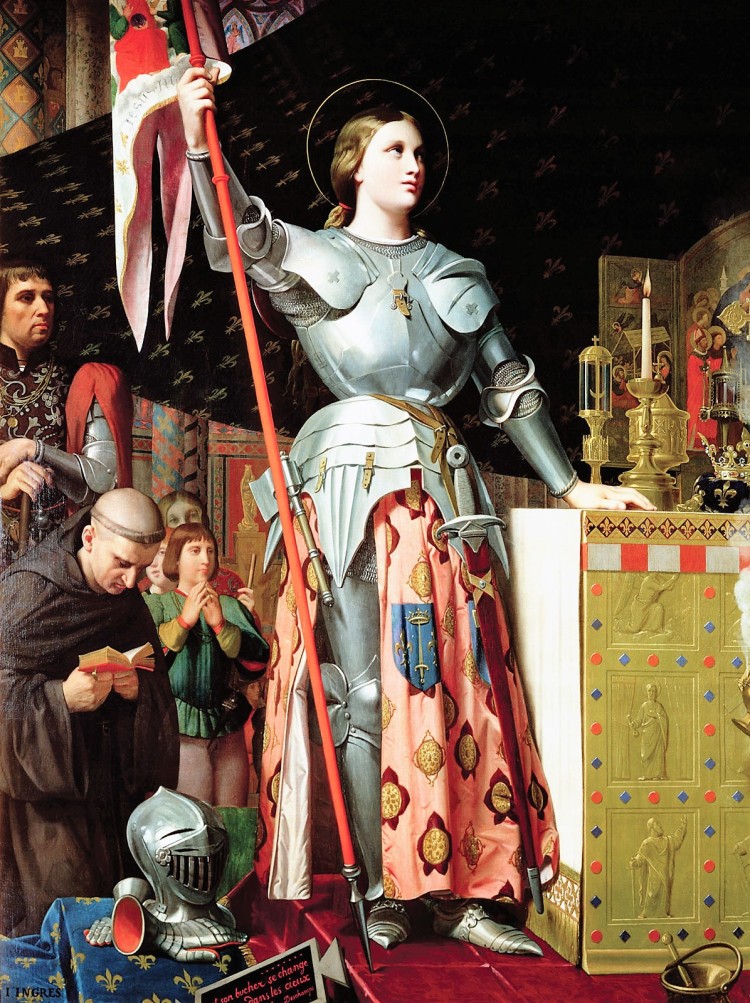
English ‘cap-a-pie’ is from ‘de cap à pied’, ‘from head to foot’, used in Occitan and in the Middle French of southern France.
Read More
A Mad Dog in a Coffee House (London, 20th March 1809) by the English caricaturist Thomas Rowlandson (1756-1827) The term hair of the dog denotes an alcoholic drink taken to cure a hangover. It is a shortening of the phrase hair of the dog that bit you, first recorded in A dialogue […]
Read More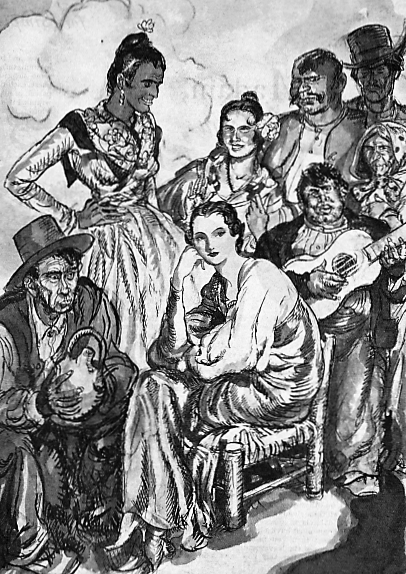
We’ll show her dressed to the nines, posing with a tribe of gypsies in the Pyrenees illustration by Steven Spurrier for The Vanishing Star. A Comedy of Love and Strategy in Hollywood, by Reita Weiman, published in Britannia and Eve (London) of December 1932 The phrase dressed to the nines means dressed […]
Read More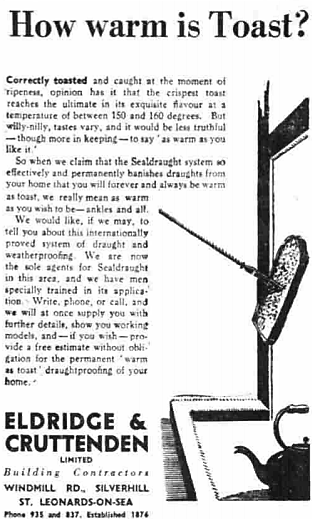
advertisement from the Hastings & St. Leonards Observer (East Sussex) 25th November 1950 How warm is Toast? Correctly toasted and caught at the moment of ripeness, opinion has it that the crispest toast reaches the ultimate in its exquisite flavour at a temperature of between 150 and 160 degrees. But willy-nilly, tastes vary, and it would less […]
Read MoreIn this expression, the noun poke denotes a bag, a small sack. It is from Anglo-Norman and Old Northern French forms such as poke and pouque, variants of the Old French forms poche and pouche — the last of which is the origin of English pouch. (Incidentally, English pocket is from Anglo-Norman poket, pokete, diminutive forms of poke.) The expression to buy a pig in a poke simply cautions against buying or accepting […]
Read More
Executioner argues with King about cutting off Cheshire Cat’s head – illustration by John Tenniel (1820-1914) for Alice’s Adventures in Wonderland (1865) The executioner’s argument was, that you couldn’t cut off a head unless there was a body to cut it off from. The phrase a cat may look at a king means even a person of low […]
Read MoreThe proverb you can’t have your cake and eat it (too) means you can’t enjoy both of two desirable but mutually exclusive alternatives. It made more sense in its early formulations, when the positions of have and eat had not been reversed. It is first recorded in A dialogue conteinyng the nomber in effect of […]
Read MoreMEANING a single fortunate event doesn’t mean that what follows will also be good ORIGIN The annual migration of swallows to Europe from southern climes at the end of winter was the subject of a proverb in Ancient Greece: μία χελιδὼν ἔαρ οὐ ποιεῖ, in which ἔαρ means spring; it is found […]
Read MoreWitham is the name of several villages in Lincolnshire and Essex. With a pun on wit, the expression little, or small, Witham was used proverbially for a place of which the inhabitants were remarkable for stupidity. For example, the following, from A fourth hundred of epygrams (1560) by the English playwright and epigrammatist John Heywood […]
Read More word histories