‘sparrowfart’: meanings and origin
British, dialectal, 1828: the break of day, i.e., the dawn chorus, with humorous allusion to a small passerine breaking wind—later also: an insignificant person or thing
Read More
“ad fontes!”
British, dialectal, 1828: the break of day, i.e., the dawn chorus, with humorous allusion to a small passerine breaking wind—later also: an insignificant person or thing
Read Morea container used to store for posterity a selection of objects thought to be representative of a particular moment in time—USA, 1938—coined to specifically designate the container built by the Westinghouse Electric and Manufacturing Company for the 1939 New York World’s Fair
Read Moremeaning: if circumstances permit, if all is well—first recorded in 1683—of unknown origin
Read Morea pal, a mate, a good friend—Ireland, 1917—perhaps an anglicised form of Irish ‘Seo Dhuitse’ (‘Here you are’) or perhaps an anglicised form of French ‘Mon cher gosse’ (‘My dear child’)
Read More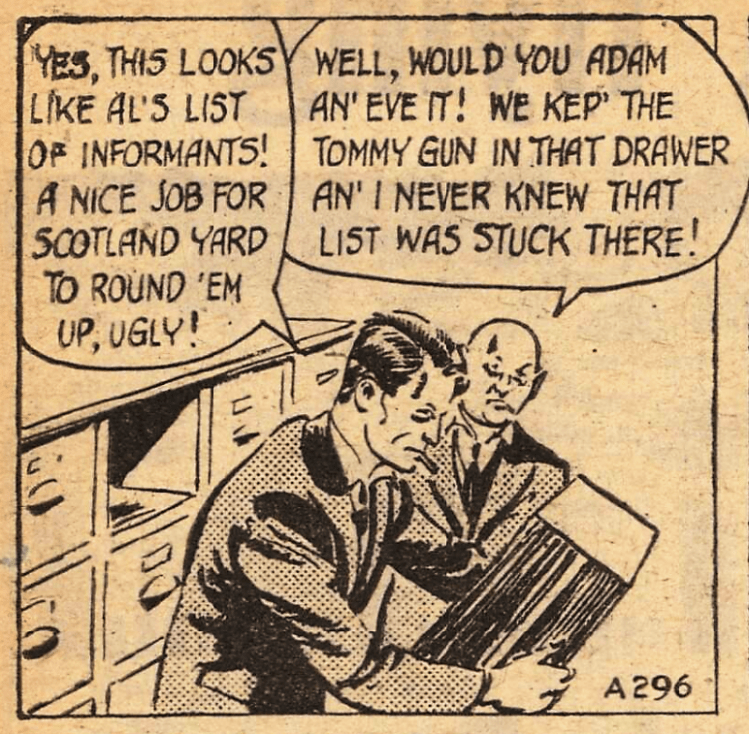
UK, 1925—the verb ‘Adam and Eve’ is rhyming slang for ‘to believe’—there is no truncation, contrary to the usual rhyming-slang formation (cf. ‘scooby’, rhyming slang for ‘clue’, which is short for ‘Scooby Doo’)
Read More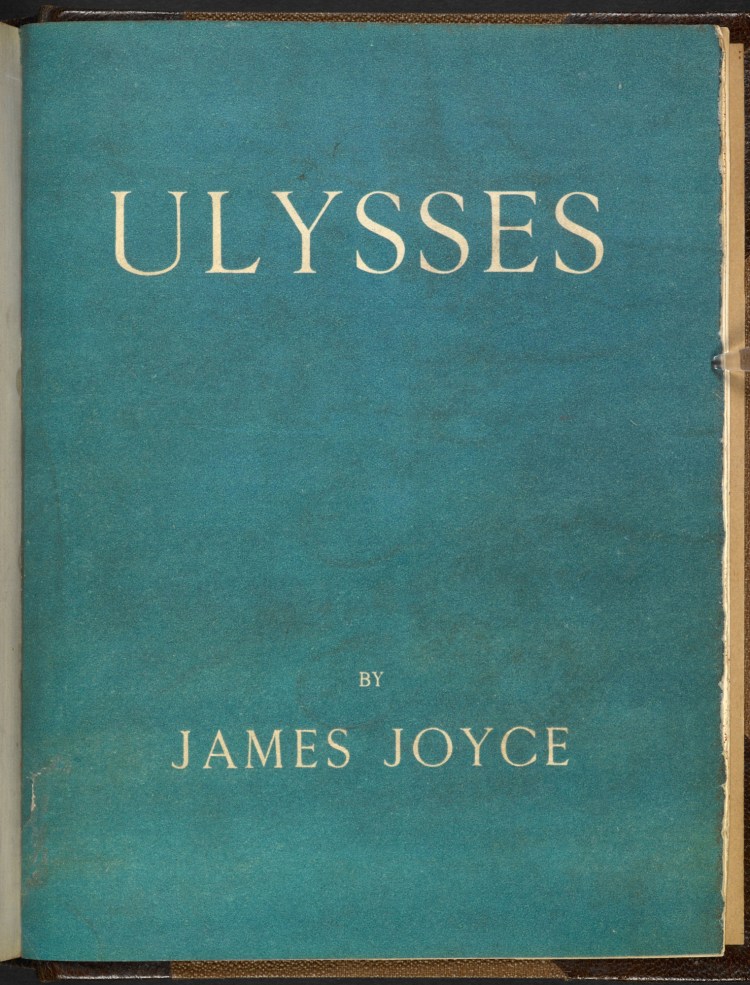
the 16th of June 1904; also the 16th of June of any year, on which celebrations take place, especially in Ireland, to mark the anniversary of the events in Ulysses (1922), by the Irish author James Joyce—Leopold Bloom is one of the central characters in Ulysses, in which all the action takes place on one day, the 16th of June 1904
Read MoreUK—1879 “where the monkey put the shells”—1892 “where the monkey put the nuts”—with reference to the anus, this slang phrase expresses contemptuous rejection
Read More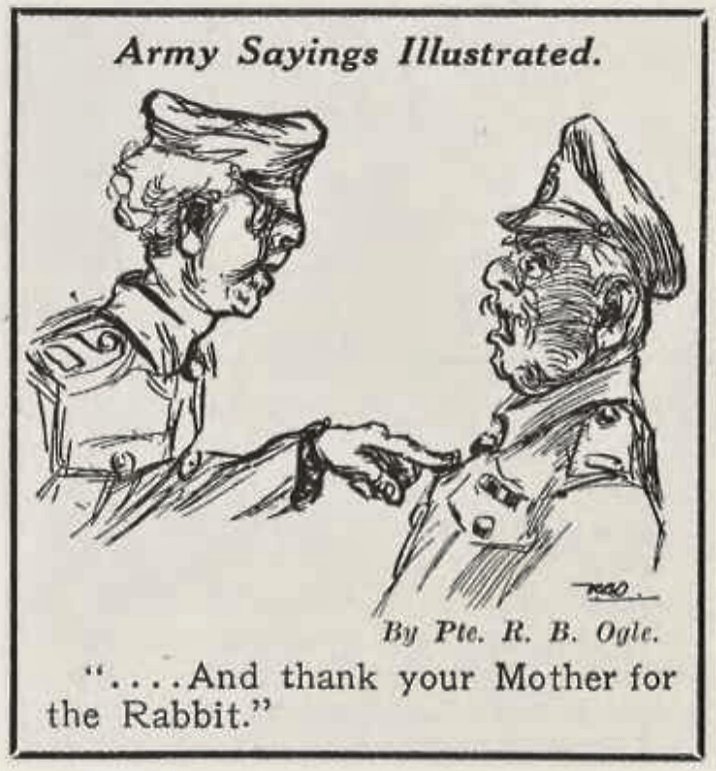
UK and Ireland, since 1913—this jocular phrase has been used as an ironic expression of gratitude and as a goodbye
Read More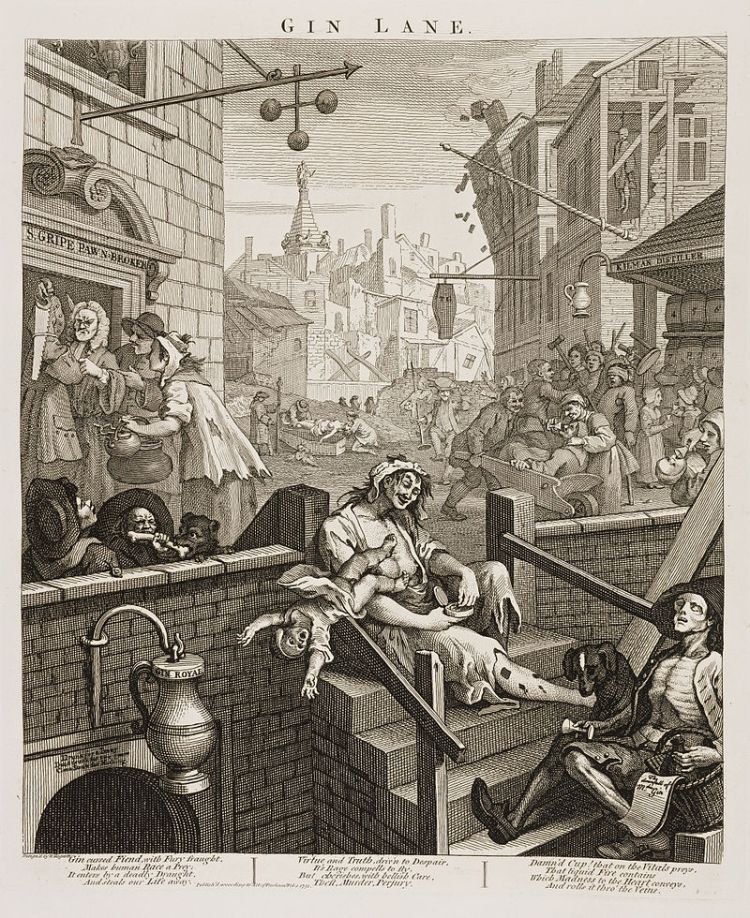
probably refers to pregnancy as an awkward condition, the image being apparently of an uncomfortable position at the top of a pole
Read More
an epithet for William Shakespeare, born at Stratford-upon-Avon, on the River Avon—first used by Ben Jonson in the earliest collected edition (1623) of Shakespeare’s plays—but this use of ‘swan’ for a bard, a poet, is rooted in a tradition going back to antiquity
Read More word histories