meaning and origin of ‘Poona’ as applied to army officers
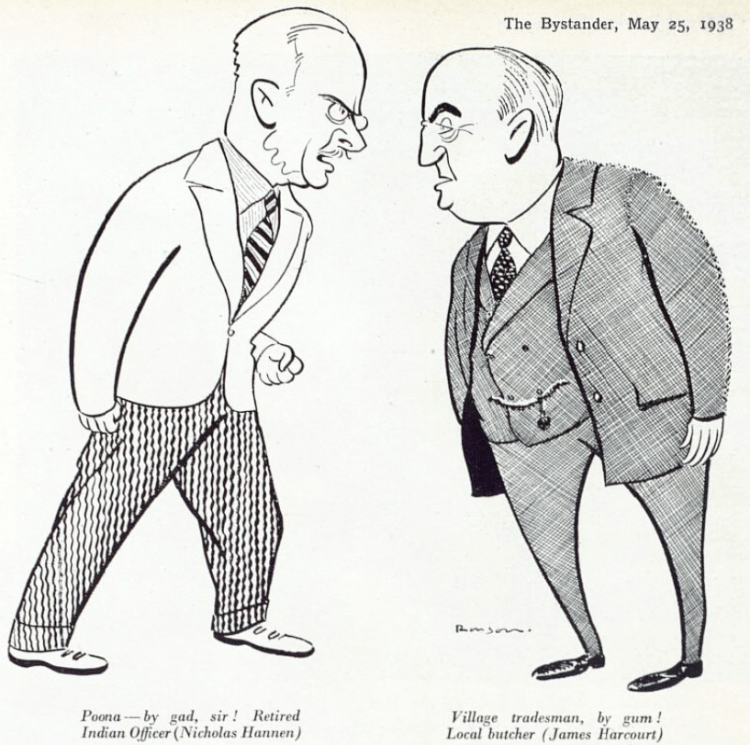
UK, 1930s—the reactionary opinions and pompous manner of the army officers who had been stationed at Poona, a military and administrative centre in India
Read More
“ad fontes!”
UK, 1930s—the reactionary opinions and pompous manner of the army officers who had been stationed at Poona, a military and administrative centre in India
Read More
Britain and USA, early 1900s: over-elaborately dressed—since the mid-19th century, ‘like a Christmas tree’: overelaborateness, heterogeneousness, artificiality
Read MoreUK, 1842—theatre: a long pause during the delivery of a speech—refers to the English actor William Macready (1793-1873), who was given to making long pauses
Read Moreevery comforting or hopeful situation has a sad or unpleasant side to it—pessimistic reversal of ‘every cloud has a silver lining’—1900 (already clichéd)
Read More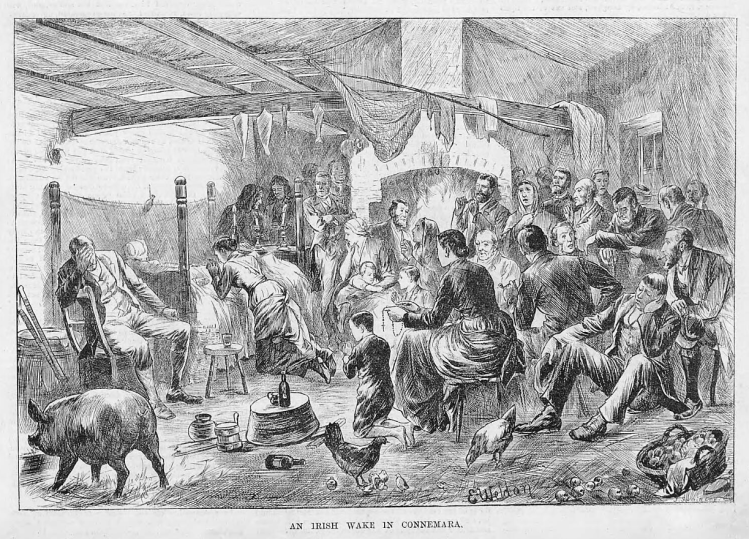
1844—various senses, especially ‘hither and thither’ and ‘lavishly’—from the custom of sharing snuff during a vigil held beside the body of someone who has died
Read MoreBritish and Irish—to spend money as if it were worthless or soon to become so—first (from 1962 onwards) as a misogynistic cliché hammered by the Liverpool Echo
Read More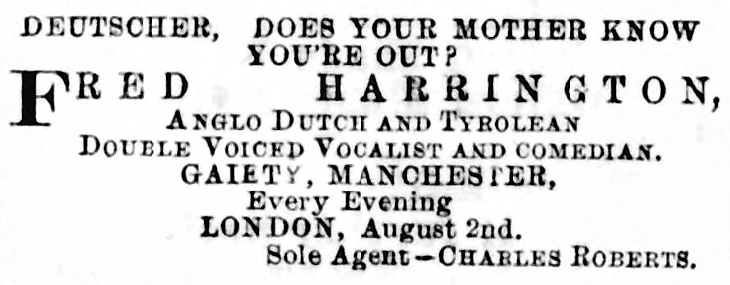
Irish English, 1836—mocking or condescending question addressed to a person whose behaviour is regarded as puerile or inappropriate
Read More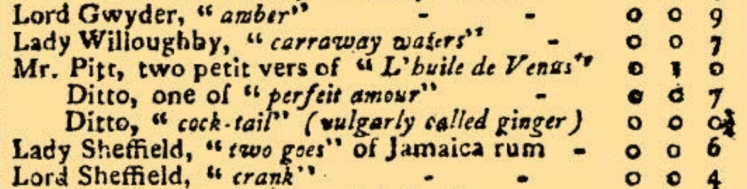
UK, 1798—‘cocktail’ explained as being “vulgarly called ginger”—perhaps from the use of ‘ginger’ to denote a cock with red plumage
Read More
USA, 1936—serves as a mnemonic for remembering to set the clocks when daylight-saving time comes into effect and when it ends
Read More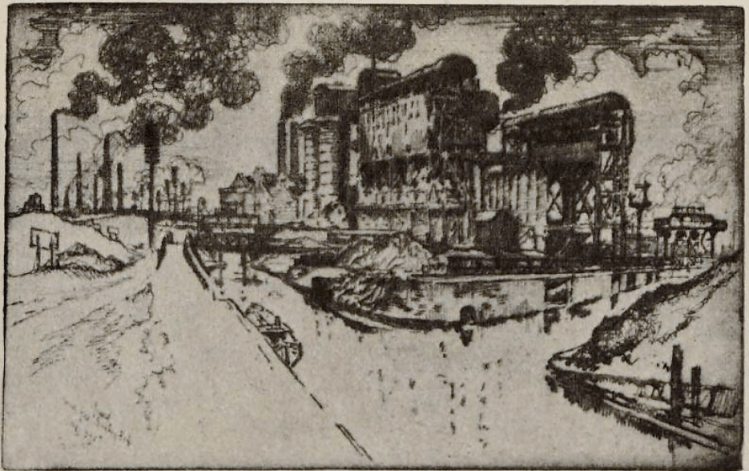
UK, 1913—industrial mills—working places characterised by dehumanising forms of labour—from ‘And did those feet in ancient time’, by the English poet William Blake
Read More word histories